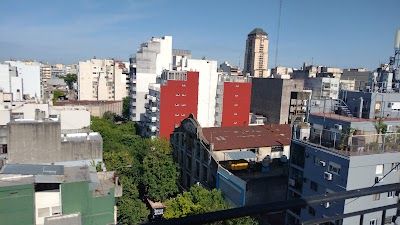
Almagro is one of Buenos Aires' most authentic and culturally rich neighborhoods, where the city's historic charm meets the pulsating energy of contemporary urban life. Originally developed in the late 19th and early 20th centuries, Almagro was home to working-class immigrants who helped shape its distinct identity. Today, it maintains a vibrant mix of old-world architecture and lively community spaces, offering visitors an immersive glimpse into traditional porteño culture. Cobblestone streets are lined with quaint cafés, independent bookstores, and classic tango milongas, preserving the neighborhood's deep association with Argentina's beloved dance and music tradition.
Visitors can expect a welcoming atmosphere where locals gather for mate, tango, and casual street interactions. The neighborhood's street art scene adds splashes of colorful creativity, making casual strolls a visually engaging experience. The market culture, especially at Mercado de Pulgas, caters to antique lovers and bargain hunters. Foodies will also appreciate the eclectic mix of dining options, from traditional parrillas serving Argentine beef to innovative cafés offering artisanal coffee and pastries.
Almagro is especially loved by travelers who seek an authentic Buenos Aires experience off the typical tourist path. It strikes a perfect balance between relaxation and cultural engagement, with easy access to tango shows, live music venues, and theaters showcasing local talent. With a genuine neighborhood spirit, it invites exploration on foot or by bike, offering countless opportunities to absorb Buenos Aires' rich history and lively present.
Highlights
- Centro Cultural Konex - vibrant concerts, art exhibits, and cultural events
- Mercado de Pulgas - sprawling flea market filled with antiques and collectibles
- Historic tango milongas - authentic venues where locals dance nightly
Best Time to Visit
The best time to visit Almagro is in the spring (September to November) or fall (March to May) when Buenos Aires enjoys mild temperatures and fewer tourists. This weather is ideal for walking tours and outdoor café experiences without the summer heat or winter chill.
Insider Tips
- 1Visit a traditional milonga in the evening to experience authentic tango dancing with locals.
- 2Try medialunas with coffee at a corner café for a true porteño breakfast.
- 3Explore street art near Calle Sarmiento and combine it with a stop at Mercado de Pulgas for antiques.
Frequently Asked Questions
Yes, Almagro is generally safe for tourists, especially during daylight hours. Like any urban neighborhood, it's wise to stay aware of your surroundings and avoid poorly lit or deserted areas at night.
Yes, several local tour operators offer walking tours of Almagro emphasizing its tango heritage, street art, and culinary scene. These tours often provide historical context and insider stories.
Absolutely. While traditional Argentine cuisine is meat-centric, Almagro has a growing number of cafés and restaurants that offer vegetarian and vegan dishes, reflecting Buenos Aires' diverse food scene.
More Neighborhoods to Explore
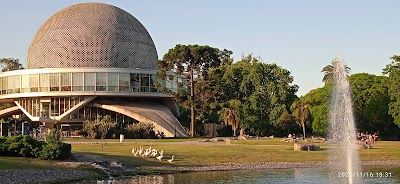
Palermo
Discover Palermo's vibrant parks, trendy boutiques, and rich cultural scene in Buenos Aires.
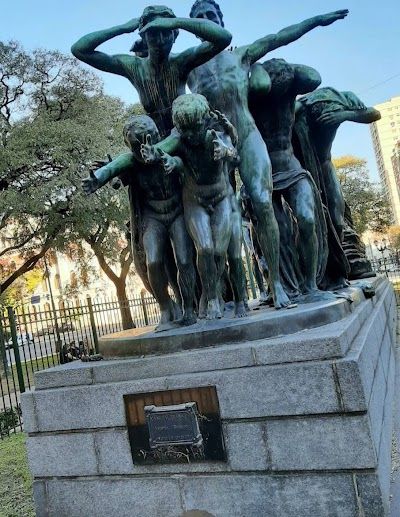
San Telmo
Experience vibrant tango streets, antique markets, and rich cultural heritage in San Telmo.
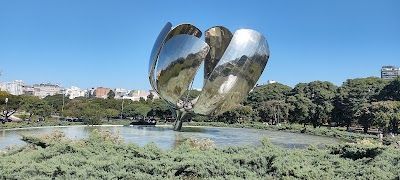
Recoleta
Discover Buenos Aires' elegant charm with stunning architecture, lush parks, and vibrant culture.
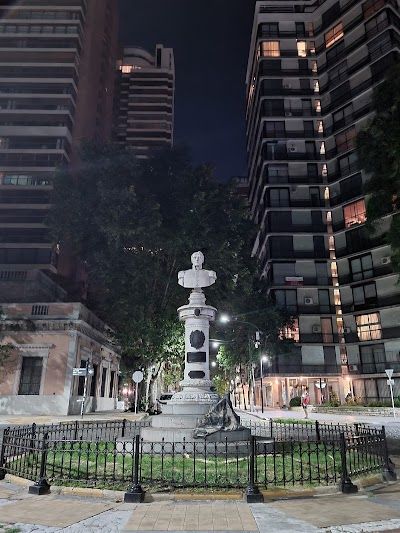
Belgrano
Belgrano boasts serene parks, vibrant markets, and rich cultural heritage perfect for family adventures.
Villa Crespo
Villa Crespo charms with its vibrant street art, eclectic shops, and inviting local eateries.

Las cañitas
Quaint streets lined with trendy cafés and boutiques, perfect for leisurely exploration.