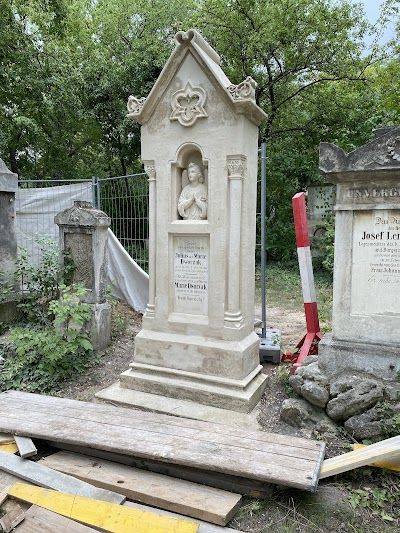
Sankt Marxer Friedhof, nestled in the vibrant Landstraße district of Vienna, offers visitors a peaceful retreat away from the city's bustling streets. Established in 1784 during the reign of Emperor Joseph II, this historic cemetery was one of Vienna's main burial grounds until it was closed in 1874. Unlike the more famous Zentralfriedhof, Sankt Marxer Friedhof maintains an intimate and tranquil atmosphere with its smaller size and lush greenery, making it a hidden gem for travelers looking to experience a quieter side of Vienna's rich history.
The cemetery is renowned for its Baroque tombstones and sepulchers, many of which have been carefully preserved or restored over the centuries. It is most famously known as the original burial site of Wolfgang Amadeus Mozart, whose grave here is marked by a simple stone amid a serene chapel area. Visitors can expect a contemplative stroll among winding paths, old trees, and charming sculptures, reflecting Vienna's past cultural and social tapestry.
The atmosphere at Sankt Marxer Friedhof is calm and introspective, inviting visitors to appreciate a blend of art, history, and nature. Unlike more frequented tourist sites, it typically sees fewer crowds, allowing for quiet reflection and photography. The cemetery also showcases examples of funerary architecture and tomb art from the late 18th and 19th centuries, which makes it a fascinating spot for those interested in history and design. Visitors love it for its peaceful aura and the opportunity to connect with Vienna's musical heritage on a more personal level.
Highlights
- The original burial place of Wolfgang Amadeus Mozart
- Beautiful Baroque tombstones and funerary art dating back to the 18th century
- Tranquil, park-like atmosphere with winding pathways and mature trees
Best Time to Visit
Spring and early autumn are the best times to visit. During these seasons, mild weather and blooming flora enhance the serene ambiance, making walks more pleasant. Avoiding the peak summer tourist season helps you enjoy the calm setting in relative solitude.
Insider Tips
- 1Bring a guidebook or download an audio guide to learn about the historical significance of notable graves, especially Mozart's.
- 2Wear comfortable walking shoes as paths can be uneven and the grounds extensive for a small cemetery.
- 3Visit early in the morning or late afternoon for softer lighting, ideal for photography and a quiet experience.
Frequently Asked Questions
Yes, Mozart's grave is marked by a modest plaque and can be found near the chapel area. The cemetery was his original burial site before his remains were relocated, but the site remains a place of homage.
While there are no official guided tours onsite, several Vienna city tours include a visit to the cemetery. Alternatively, you can use audio guides or guidebooks that provide detailed information about the cemetery's history and notable graves.
The cemetery is generally open during daylight hours, roughly from early morning until dusk. It's best to visit during these times for safety and to experience the grounds fully in natural light.
More Hidden Gems
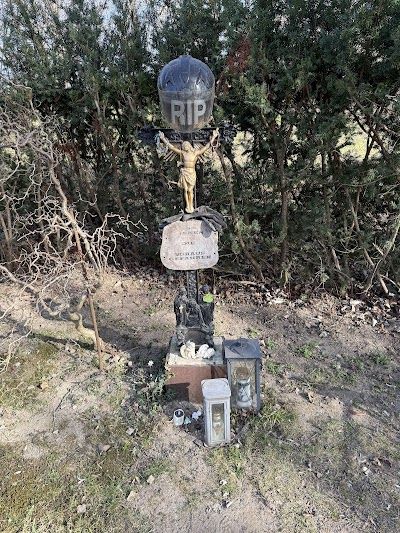
Friedhof der Namenlosen, Vienna
A serene, haunting cemetery honoring unclaimed souls, whispering stories of forgotten lives.
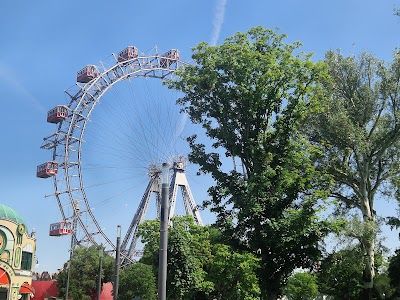
Prater
Experience the charm of Vienna's Prater, where historic amusement meets tranquil gardens.
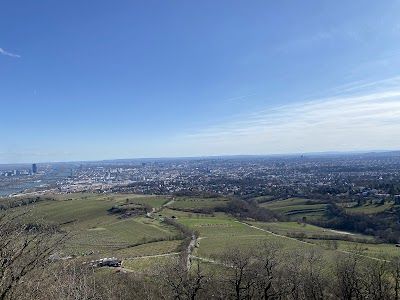
Kahlenberg
Breathtaking panoramic views of Vienna await atop Kahlenberg's serene, lush hills.
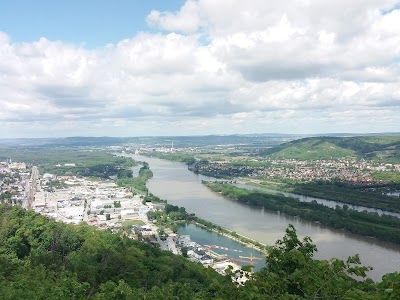
Leopoldsberg
Experience breathtaking panoramic views of Vienna and the Danube Valley at this serene hilltop retreat.
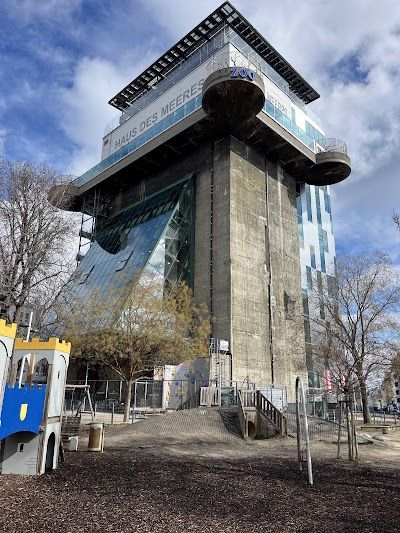
Haus des Meeres
Explore diverse marine life in a unique WWII flak tower turned aquarium and zoo.

Museum der Illusionen
Experience mind-bending exhibits and playful illusions at Vienna's enchanting Museum der Illusionen.