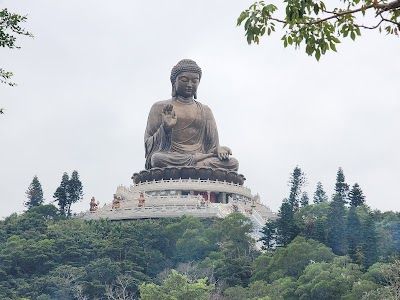
Tian Tan Buddha, commonly known as the Big Buddha, is a colossal bronze statue located on Ngong Ping Plateau, Lantau Island, Hong Kong. Completed in 1993, this magnificent Buddha statue stands approximately 34 meters tall and symbolizes the harmonious relationship between man and nature, people and faith. It is one of the largest seated outdoor bronze Buddha statues in the world and sits solemnly atop a lotus throne, making it an iconic spiritual and cultural landmark. Visitors can admire its intricate craftsmanship and the serene expression that conveys peace and compassion.
The journey to Tian Tan Buddha is a memorable experience on its own. Most visitors opt to take the Ngong Ping 360 cable car, which offers breathtaking panoramic views of Lantau Island, the South China Sea, and the surrounding mountains. Upon arrival, travelers ascend a grand flight of 268 steps leading up to the statue, surrounded by tranquil gardens and smaller bronze statues representing the Six Devas, each offering symbolic items that represent charity, morality, patience, zeal, meditation, and wisdom.
The atmosphere at Tian Tan Buddha is one of deep tranquility and reverence. The site is part of the Po Lin Monastery complex, which adds spiritual depth with its temples and prayer halls. Visitors often partake in quiet contemplation, light incense, or simply absorb the peaceful ambiance. The panoramic vistas visible from the base are stunning, especially on clear days when the South China Sea and the soaring peaks of Lantau create a breathtaking backdrop.
Visitors love Tian Tan Buddha not only for its impressive scale and artistic beauty but also for the immersive experience that connects them with Hong Kong's cultural heritage and Buddhist philosophy. It offers a profound sense of calm amidst nature's grandeur, making it a must-visit for those seeking both spiritual and natural beauty on their travels.
Highlights
- Majestic 34-meter tall bronze Buddha statue seated on a lotus throne
- Spectacular views from the Ngong Ping 360 cable car over Lantau Island and the South China Sea
- Historic Po Lin Monastery and its ornate temples surrounding the statue
Best Time to Visit
The best time to visit is during the cooler, drier months from October to March. During this period, the weather is comfortable, skies are clearer, and visibility is excellent for panoramic photo opportunities. Weekdays and early mornings are ideal for avoiding crowds.
Insider Tips
- 1Arrive early in the morning to avoid large crowds, especially on weekends and public holidays.
- 2Wear comfortable shoes for climbing the 268 steps leading up to the Tian Tan Buddha.
- 3Combine your visit with a walk on the Wisdom Path nearby, featuring wooden steles inscribed with the Heart Sutra.
Frequently Asked Questions
Access to the statue and Po Lin Monastery is free of charge. However, taking the Ngong Ping 360 cable car to Ngong Ping Village incurs a fee of around HKD 235 for a round trip in a standard cabin.
The most scenic way is to take the MTR Tung Chung Line to Tung Chung Station, then transfer to the Ngong Ping 360 cable car. Alternatively, buses are available from Tung Chung as well. The cable car journey takes about 25 minutes.
Yes, Ngong Ping Village nearby offers several cafes, restaurants, and souvenir shops. There are also clean restroom facilities and visitor centers providing information.
More Top Attractions
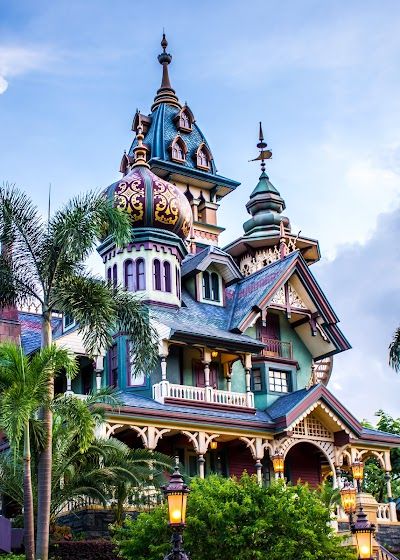
Mystic Manor
Immerse in enchanting stories and whimsical surprises at Hong Kong Disneyland's Mystic Manor!
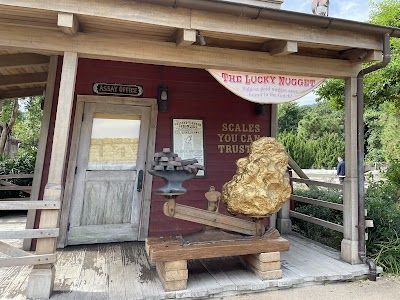
Grizzly Gulch
Experience the wild wonders of Grizzly Gulch-where adventure and fun await at every turn!
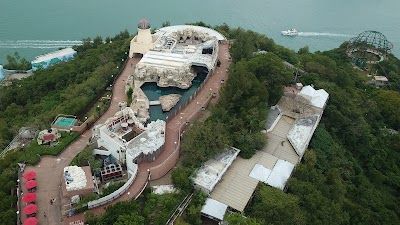
Ocean Park
Dive into adventure at Ocean Park, where thrilling rides meet captivating marine life!

Victoria Peak
Stunning panoramic views, lush nature, and thrilling fun for the entire family await!
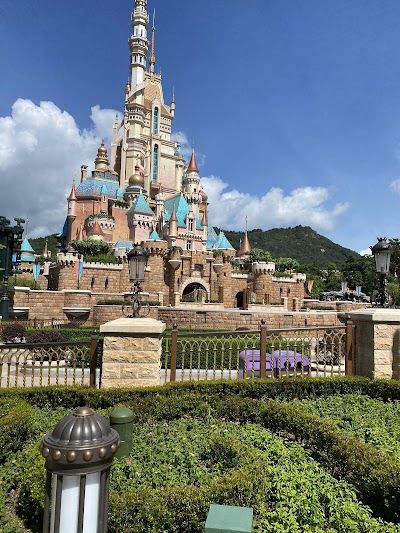
Hong Kong Disneyland
Experience magical adventures where fantasy comes alive amidst Hong Kong's stunning skyline!
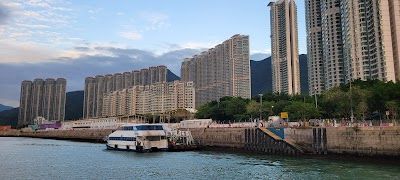
Tai O
Discover Tai O's vibrant stilt houses, serene waterways, and rich fishing village culture.