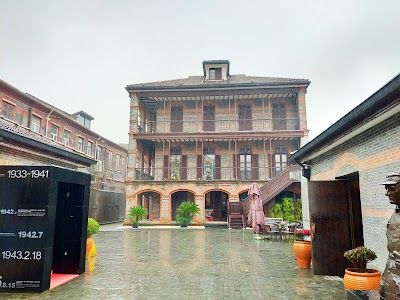
The Shanghai Jewish Refugees Museum is a deeply moving and historically significant site located in the Hongkou district of Shanghai. Established to commemorate the thousands of Jewish refugees who fled Europe during World War II and found sanctuary in Shanghai, this museum offers a unique perspective on a lesser-known chapter of Jewish and Chinese history. Visitors step into a preserved former dormitory complex, which was part of the Shanghai Ghetto - a designated area where Jewish refugees lived under difficult wartime conditions. The museum preserves both the physical spaces of these dwellings and a rich collection of personal stories, artifacts, photographs, and documents that highlight the resilience and hope of the refugees.
Upon entering, visitors can expect a thoughtfully curated journey through the refugees' experiences, from persecution in Europe to their lives in Shanghai as displaced persons. Exhibits include detailed narratives about key individuals, community institutions like synagogues, and the broader context of Shanghai during the 1930s and 1940s. The museum balances stark realities with stories of courage, cultural exchange, and survival. The atmosphere is reverent and poignant, encouraging reflection on humanitarian history and the impact of global events on personal lives.
Visitors appreciate the museum not only for its historical importance but also for its intimate storytelling and the preservation of a multicultural heritage. Educational panels are available in both Chinese and English, making the museum accessible to international audiences. The surrounding neighborhood, with remnants of old Shanghai, complements the visit, offering an authentic glimpse into the era. Many travelers leave with a sense of admiration for the refugees' strength and gratitude for Shanghai's role as a sanctuary during one of history's darkest times.
Highlights
- Preserved dormitory rooms of Jewish refugees in the former Shanghai Ghetto
- Extensive photo and artifact collection documenting Jewish life and culture in wartime Shanghai
- Personal stories and testimonies illustrating the refugees' resilience and hope
Best Time to Visit
Spring (March to May) and autumn (September to November) offer mild weather ideal for walking tours in the Hongkou district and comfortable conditions inside the museum. Visiting during weekdays is recommended to avoid weekend crowds and allow for a more contemplative experience.
Insider Tips
- 1Combine your visit with a walking tour of the surrounding Hongkou neighborhood to see other historical sites related to Shanghai's multicultural past.
- 2Allow time to read the English descriptions and watch any available documentary footage, which enrich the understanding of exhibits.
- 3Bring a camera as photography is usually allowed inside the museum, enabling you to preserve memories of the personal stories and historic artifacts.
Frequently Asked Questions
Yes, the museum provides English signage throughout the exhibits, and audio guides or guided tours in English may be available. It is advisable to check in advance or request materials upon arrival to enhance your visit.
The museum is located in Hongkou district and is accessible via Shanghai Metro Line 8. Get off at the Lujiabang Road Station and take a short taxi ride or a 15-minute walk to the museum. Buses serving the Hongkou area also stop nearby.
Children are welcome; however, due to the serious historical content, the museum is best suited for older children and teenagers. Parents should prepare to explain the context sensitively and engage with their children's questions.
More Museums & Galleries
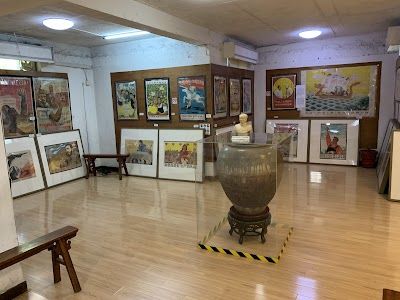
上海宣传画艺术中心
Discover vibrant propaganda art in a unique museum showcasing China's cultural evolution.
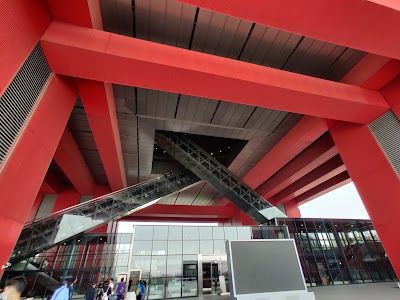
China Art Museum
Explore China's rich artistic heritage at Shanghai's stunning architectural marvel, the China Art Museum.
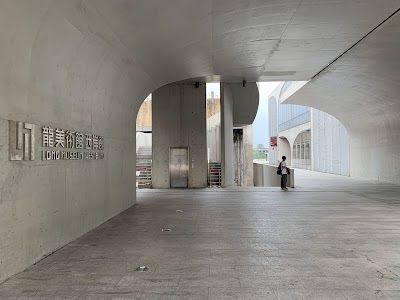
Long Museum
Discover cutting-edge contemporary art and exceptional cultural exhibitions at Shanghai's Long Museum.
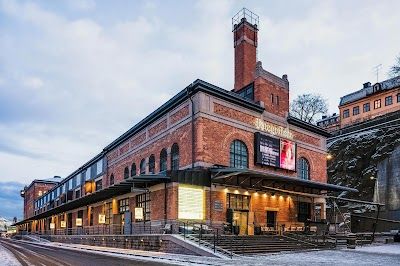
Fotografiska Museum Stockholm
Discover photographic artistry at Fotografiska, where captivating exhibitions ignite creativity and inspiration.
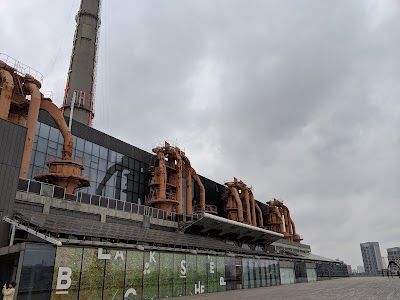
上海当代艺术博物馆
Discover cutting-edge contemporary art in a historic powerhouse of creative expression.
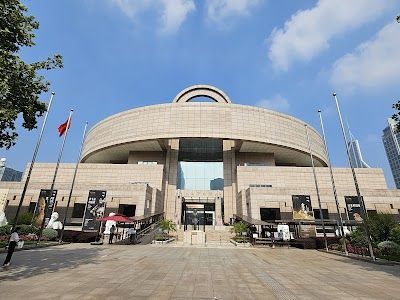
Shanghai Museum
Explore China's rich history through exquisite artifacts at the stunning Shanghai Museum.