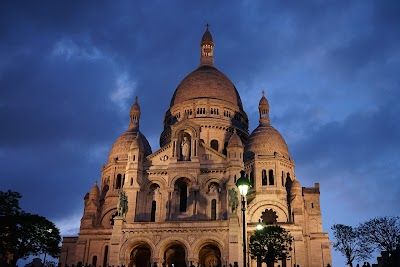
Montmartre, perched on a hill in the 18th arrondissement of Paris, is a neighborhood steeped in artistic history and bohemian charm. Once a rural village outside the city limits, Montmartre became a magnet for famous artists such as Picasso, Van Gogh, and Renoir during the late 19th and early 20th centuries. Visitors can still feel the creative spirit in the air as they stroll through cobblestone streets lined with quaint cafes, art studios, and vibrant street artists showcasing their work. The area's history as a haven for painters and poets continues to thrive, making it a cultural treasure within Paris.
At the heart of Montmartre lies the stunning Sacré-Cœur Basilica, a white-domed architectural masterpiece offering some of the most breathtaking panoramic views of Paris. Beyond the basilica, visitors can explore the lively Place du Tertre, where artists display and sell their paintings, creating an open-air gallery ambiance. The village-like atmosphere, complete with small wine bars and vintage shops, invites exploration and relaxation. Montmartre's winding streets and hidden staircases encourage discovery of lesser-known gems such as the Musée de Montmartre and the historic vineyards of Clos Montmartre.
Visitors love Montmartre for its unique blend of history, art, and enchanting scenery. Whether it's immersing oneself in the neighborhood's artistic legacy or simply savoring a coffee while watching street performers, Montmartre offers a timeless Parisian experience. Its slightly removed location from the bustling central arrondissements provides a charming retreat where culture and beauty flourish. It's this combination of history, atmosphere, and stunning views that makes Montmartre a must-see attraction for travelers exploring Paris.
Highlights
- Sacré-Cœur Basilica's dome and panoramic views over Paris
- Place du Tertre's lively artists' square and open-air galleries
- The historic cobblestone streets and hidden vineyards of Montmartre
Best Time to Visit
Spring (April to June) and early autumn (September to October) offer mild weather and fewer crowds, making it ideal for leisurely exploration and outdoor café sitting.
Insider Tips
- 1Visit early in the morning or late afternoon to avoid peak tourist crowds, especially at Sacré-Cœur.
- 2Explore the narrow streets off the main squares to find quieter spots and authentic local cafés.
- 3Consider the Montmartre walking tour to learn about its artistic history and discover hidden sites.
Frequently Asked Questions
Montmartre is a public neighborhood and free to explore. Entry to Sacré-Cœur Basilica is free, but there is a small fee if you wish to climb the dome for panoramic views. Some museums, like Musée de Montmartre, may have admission fees.
Montmartre is accessible via the Paris Metro. The Abbesses (Line 12) and Anvers (Line 2) stations bring you close to the main areas. Be prepared for uphill walks or steps once you arrive, or use the funicular railway near the base of the hill.
Due to cobblestone streets and steep inclines, accessibility can be challenging. While some areas like the Sacré-Cœur Basilica are wheelchair accessible, exploring the entire neighborhood may require assistance. Check local resources for accessibility services like the funicular.
More Neighborhoods to Explore
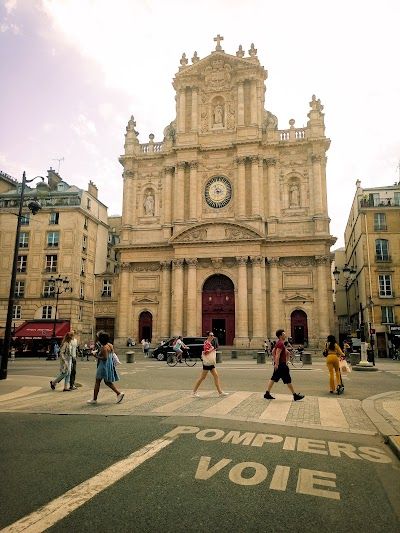
Le Marais
Explore Le Marais, where historic charm meets vibrant culture and trendy boutiques.
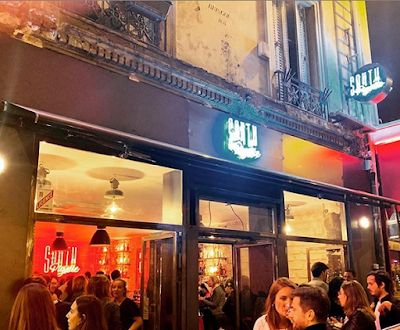
South Pigalle
Discover vibrant nightlife and charming cafes in South Pigalle, Paris's hidden gem of allure.
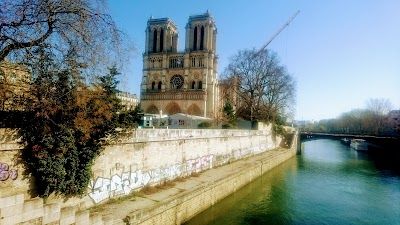
Latin Quarter
A vibrant tapestry of history, culture, and bohemian charm in Paris's intellectual heart.

Rue Oberkampf
Rue Oberkampf: A vibrant Parisian street brimming with eclectic cafes, art, and nightlife.
Belleville
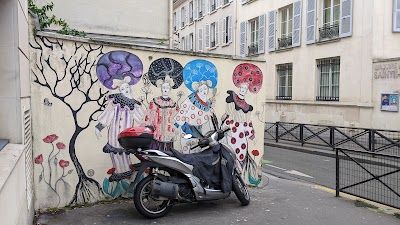
Vibrant Belleville, Paris blends art, culture, and stunning views in a hidden gem.
Canal Saint-Martin
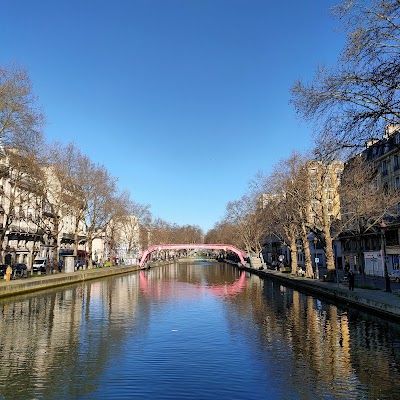
Charming canalside strolls, trendy boutiques, and vibrant cafes define the enchanting Canal Saint-Martin.