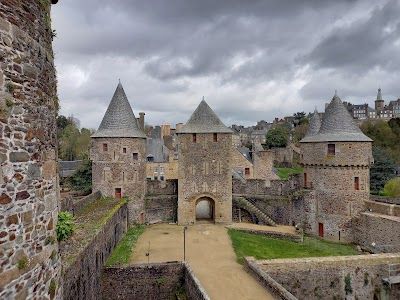
Château de Fougères, located in the town of Fougères in Brittany near Rennes, is one of the largest medieval fortresses in Europe and a remarkable representation of medieval military architecture. Constructed primarily during the 12th and 13th centuries, the castle was built to defend the strategic border of Brittany. Visitors stepping through its impressive gates can explore its massive curtain walls, with 13 towers and ramparts offering panoramic views over the town and surrounding countryside. The castle grounds include well-preserved labyrinthine passageways, underground tunnels, and reconstructed rooms that vividly illustrate the life and defense mechanisms of the medieval period.
A visit to Château de Fougères is a journey back in time where history lovers and families alike can wander through the courtyards, explore the watchtowers, and learn about the castle's pivotal role in regional conflicts. The fortress hosts reenactments, medieval festivals, and exhibitions that bring the medieval era to life, adding to the immersive experience. The atmosphere here is evocative and educational, making it easy to imagine the clanking armor and strategic meetings that once took place within these walls.
Visitors cherish Château de Fougères not only for its historical significance but also for the stunning views it provides over the old town and the surrounding Brittany landscape. The castle's location atop a rocky outcrop enhances its dramatic presence and offers exceptional photo opportunities. The site is family-friendly with informative displays and an engaging visitor center, making it a perfect day out for all ages. Whether you are a history buff or simply keen to experience one of France's most impressive medieval fortresses, Château de Fougères promises a memorable and enriching visit.
Highlights
- Explore the extensive double walls and 13 defensive towers
- Climb to the ramparts for breathtaking views over Fougères and the countryside
- Visit the underground passageways and reconstructed medieval rooms
Best Time to Visit
The best time to visit is late spring through early autumn (May to September) when the weather is pleasant, and the castle hosts lively medieval events and outdoor tours. Visiting during weekdays outside of peak summer holidays offers a quieter experience.
Insider Tips
- 1Wear comfortable shoes as there are uneven stone surfaces and some steep staircases.
- 2Check the castle's event calendar for medieval reenactments and special guided tours.
- 3Visit early in the morning or late afternoon to avoid crowds and enjoy softer lighting for photos.
Frequently Asked Questions
Yes, the castle is very family-friendly with plenty of space for children to explore. The open courtyards, towers, and interactive exhibits appeal to younger visitors. However, parents should supervise in higher tower areas and staircases due to uneven stone steps.
Guided tours are offered seasonally, especially during peak tourist months and special event days. Audio guides and informative panels are available year-round to help visitors navigate and understand the castle's history at their own pace.
Photography is allowed throughout Château de Fougères for personal use. Tripods and commercial photography require prior permission. The scenic views from the ramparts are particularly popular for taking pictures.
More Top Attractions
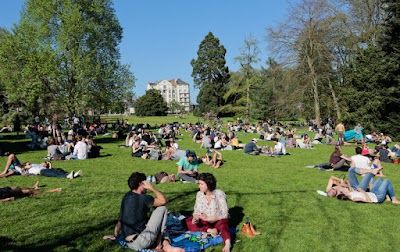
Parc du Thabor
A stunning blend of gardens and wilderness, Parc du Thabor enchants with vibrant floral displays.
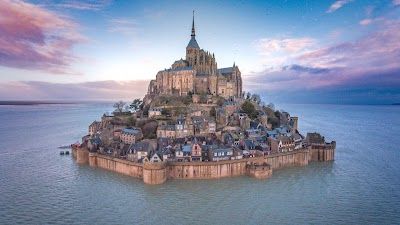
Mont Saint-Michel
A stunning island commune crowned by an abbey, mesmerizing at high and low tide.
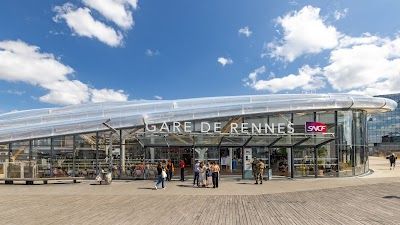
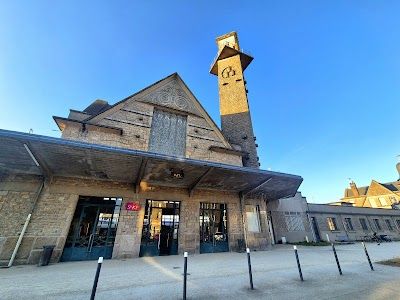
Gare de Rennes
Historic elegance meets modern convenience at Rennes' bustling transportation hub, Gare de Rennes.
Dinan
Explore Dinan's medieval charm, with cobbled streets, stunning views, and rich history.
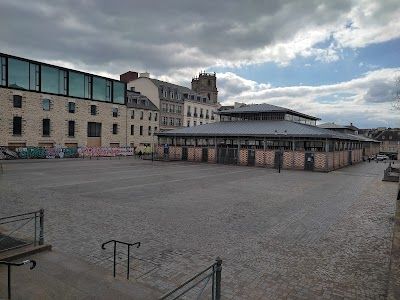
Place des Lices
Experience vibrant markets and festivals in this historic, picturesque square adorned with charming architecture.
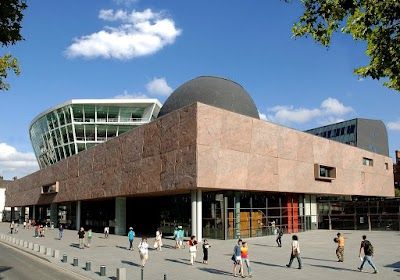
Les Champs Libres
Dive into a cultural treasure trove of art, science, and history in Rennes.