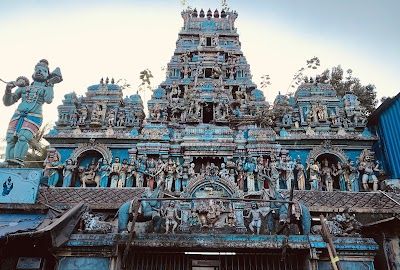
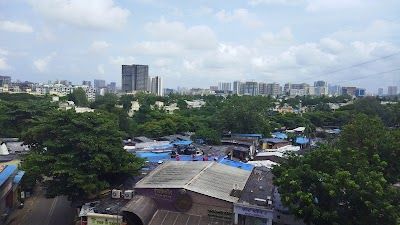
Dharavi, located in the heart of Mumbai, Maharashtra, is widely known as Asia's largest slum and a remarkable example of resilience, creativity, and enterprise. Established in the late 19th century, Dharavi has evolved from a marshy area into a densely populated urban neighborhood housing over a million residents within approximately 2.1 square kilometers. Its intricate network of narrow lanes is home to a variety of small-scale industries, including leather manufacturing, pottery, recycling, textiles, and food production, which form the backbone of its vibrant informal economy.
Visitors to Dharavi are often struck by the neighborhood's dynamic atmosphere, where industrious artisans and entrepreneurs coexist amid bustling streets that come alive with the sounds, smells, and colors of daily life. While the living conditions are cramped and humble, the spirit of community and innovation is palpable. Dharavi has also gained international attention through films and documentaries that explore its complex social fabric and the remarkable achievements of its inhabitants.
Guided tours are the best way to experience Dharavi safely and respectfully. These tours offer insights into the neighborhood's craftsmanship, sustainable recycling initiatives, and the ways in which residents support one another through microenterprises. The tours typically include visits to pottery workshops, leather goods producers, and recycling units, providing a distinct perspective on how a self-sustaining economy operates within a challenging environment.
Travelers love Dharavi not for luxury or comfort, but for the opportunity to witness human resilience and creativity up close. The neighborhood challenges stereotypes about slums and offers a deeper understanding of urban poverty, survival, and hope in one of the world's most rapidly growing megacities.
Highlights
- Pottery and leather workshops showcasing traditional craftsmanship
- Insight into Dharavi's thriving recycling and eco-friendly industries
- Cultural immersion through guided neighborhood tours and local interactions
Best Time to Visit
The best time to visit Dharavi is between November and February, during Mumbai's cooler and drier months. The weather is more comfortable for walking tours and exploring narrow lanes, making the experience much more enjoyable.
Insider Tips
- 1Always join a guided tour led by experienced local guides for safety and deeper insight.
- 2Wear comfortable walking shoes and carry bottled water, as the streets can be uneven and the climate humid.
- 3Be respectful of residents' privacy and ask permission before taking photographs.
Frequently Asked Questions
Yes, Dharavi is generally safe for visitors when exploring with a reputable guided tour. Avoid wandering alone as the area is densely populated with narrow lanes that can be confusing. Tours ensure you navigate safely and respectfully.
It is not recommended to visit Dharavi alone due to its complex layout and cultural sensitivities. Guided tours offer context, safety, and an enriching experience that you might miss on your own.
There is no official entrance fee to enter Dharavi, but guided tours usually charge a fee that supports the local community and provides a professional experience.
More Neighborhoods to Explore
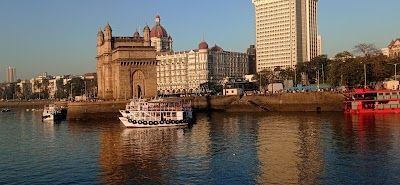
Colaba
Colaba: A vibrant blend of heritage, art, and bustling markets by the Arabian Sea.
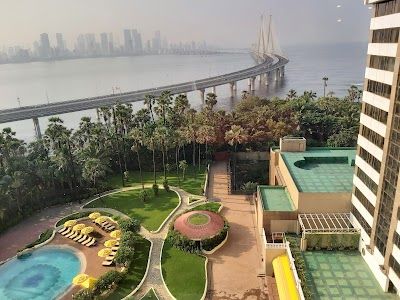
Bandra West
Bandra West: a vibrant fusion of art, culture, and stunning seaside views.
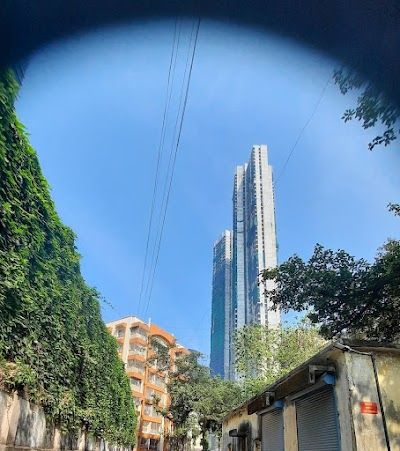
Worli
Worli blends rich history with stunning coastal views and vibrant urban life.
Lower Parel
A vibrant fusion of heritage and modernity, bustling with trendy cafes and art hubs.

Juhu
Experience vibrant sunsets and bustling beach life at iconic Juhu Beach, Mumbai's beloved coastal gem.
Andheri
Andheri: a vibrant blend of culture, cuisine, and bustling urban life in Mumbai.