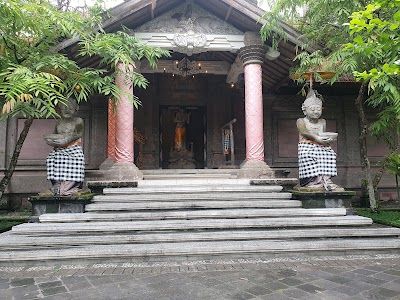
The Agung Rai Museum of Art (ARMA) is one of Bali's premier cultural destinations, located in the artistic heart of Ubud. Established by the passionate Balinese art collector Agung Rai, the museum houses an impressive and diverse collection of traditional and contemporary Balinese and Indonesian art. Visitors can explore exquisite works by renowned artists such as I Gusti Nyoman Lempad and Ida Bagus Made, experiencing the island's rich artistic heritage firsthand. The museum was founded to preserve and promote Bali's unique art forms and to support local artists, making it not only a place of observation but of cultural significance and conservation.
Upon entering ARMA, visitors are welcomed into a serene environment surrounded by lush tropical gardens, flowing fountains, and traditional Balinese architecture that truly enhances the artistic ambiance. The museum's galleries are thoughtfully curated to showcase a variety of styles, including classical Balinese paintings, traditional masks, woodcarvings, and modern pieces reflecting contemporary interpretations of Balinese culture. The museum also offers cultural performances and workshops, such as traditional dance and painting classes, giving visitors an immersive experience beyond just viewing art.
What sets ARMA apart is its dedication to fostering a deeper understanding of Balinese culture in an authentic setting. Visitors often note the peaceful atmosphere and the attentive staff who provide insightful context about the artworks and the island's history. The museum shop and café offer locally made crafts and Balinese-inspired refreshments, perfect for rounding out a culturally rich visit. Whether you're an art enthusiast or a curious traveler, ARMA presents an enriching opportunity to connect with Bali's artistic soul in a thoughtfully preserved and welcoming environment.
Highlights
- Extensive collection of traditional and contemporary Balinese art
- Beautiful tropical garden setting with traditional Balinese architecture
- Interactive cultural workshops including painting and Balinese dance
Best Time to Visit
The best time to visit is during the dry season from April to October when the weather is pleasant and outdoor areas of the museum can be enjoyed fully. Visiting in the morning helps avoid crowds and provides a more peaceful experience.
Insider Tips
- 1Arrive early in the day to enjoy the gardens and galleries before it gets busy.
- 2Check the schedule ahead of time to catch live traditional dance performances or art workshops.
- 3Wear comfortable shoes as the museum grounds are extensive and involve some walking.
Frequently Asked Questions
Photography is generally allowed in the outdoor areas and some galleries without flash. However, some specific exhibits may have restrictions, so it's best to ask the staff before taking pictures.
ARMA has made efforts to accommodate visitors with limited mobility, but some areas with traditional architecture and garden paths may be difficult to access. It's recommended to contact the museum in advance for specific accessibility information.
Yes, the museum shop features a selection of locally crafted souvenirs, art prints, and Balinese handicrafts, providing an excellent opportunity to take home authentic Balinese art.
More Museums & Galleries
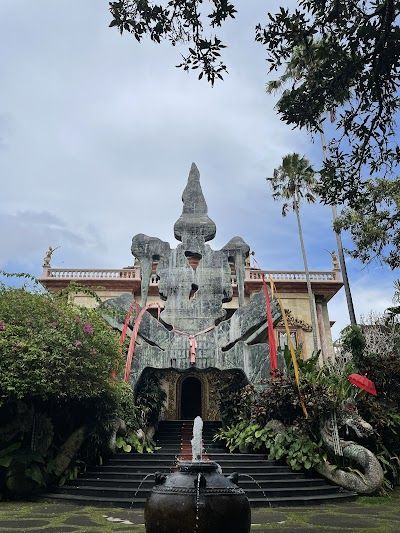
The Blanco Renaissance Museum
Explore exquisite art and culture at Bali's enchanting Blanco Renaissance Museum, a creative oasis.
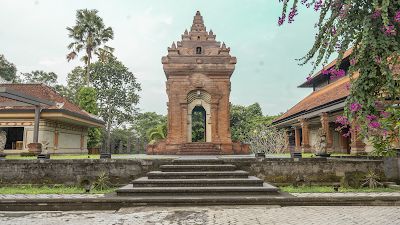
Neka Art Museum
Immerse in Bali's rich artistic heritage amidst stunning landscapes at Neka Art Museum.
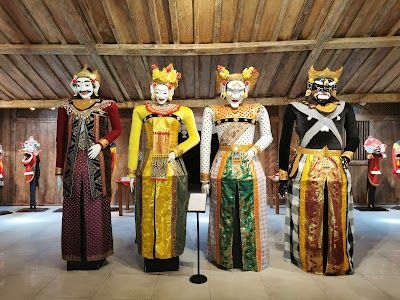
Setia Darma House of Mask and Puppets
Explore Bali's rich cultural heritage through intricate masks and captivating puppetry at Setia Darma.
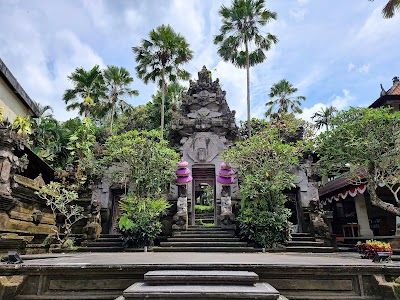
Museum Puri Lukisan
Discover Bali's artistic soul at Museum Puri Lukisan, showcasing exquisite traditional and modern art.
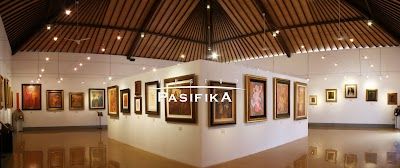
Museum Pasifika Bali
Explore the vibrant art and culture of the Pacific at Museum Pasifika Bali.
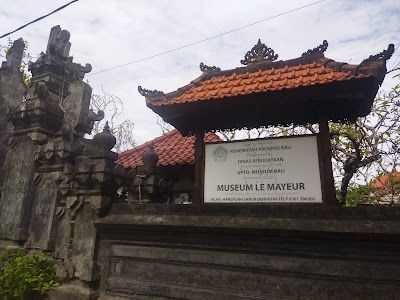
Museum Le Mayeur
A captivating glimpse into Balinese art and culture through the life of Adrien Le Mayeur.