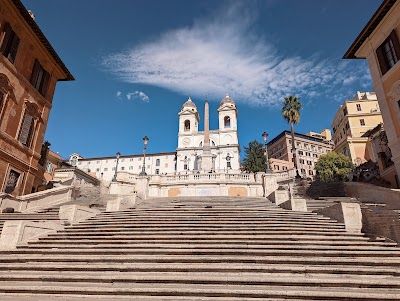
The Spanish Steps (Scalinata di Trinità dei Monti) stand as one of Rome's most iconic landmarks, drawing visitors from across the globe to this elegant urban staircase. Built in the early 18th century (1723-1725), the 135 steps connect the Piazza di Spagna at their base to the Trinità dei Monti church at the summit. Commissioned by a French diplomat and designed by the architects Francesco de Sanctis and Alessandro Specchi, the steps were intended to create a grand entrance to the French church and symbolize the friendship between France and Spain. Over the centuries, the steps have become much more than a practical link; they embody Roman charm, serving as a vibrant social hub and a stage for cultural events and romantic encounters alike.
Visitors approaching the Spanish Steps can expect a bustling and lively atmosphere, particularly during spring when the steps are adorned with bursts of colorful azaleas enhancing their photogenic appeal. The wide staircase offers numerous vantage points to sit, pause, and enjoy the lively street scene below. At the foot of the steps lies the elegant Barcaccia Fountain, sculpted by Pietro Bernini and his son Gian Lorenzo Bernini in the shape of a sinking boat, which adds to the area's artistic allure. This is a perfect spot for people-watching, soaking up Roman life, or photographing the exquisite Baroque architecture in the surrounding Piazza di Spagna.
What makes the Spanish Steps so beloved by visitors is their romantic aura and cultural significance. It's a place where locals and tourists merge, artists sketch, musicians perform, and photographers capture the essence of Rome. Nearby, high-end designer boutiques and charming cafes line the adjacent streets, inviting travelers to indulge in some shopping or a coffee break after exploring. Night visits offer a different ambiance, with the stairs and piazza beautifully illuminated, making it a favorite spot for evening strolls. The Spanish Steps truly capture the timeless elegance and vibrant life of Rome, making it a must-see attraction on any itinerary.
Highlights
- The magnificent 135-step Baroque staircase linking Piazza di Spagna with Trinità dei Monti church
- Barcaccia Fountain at the base, crafted by Bernini, resembling a half-sunken ship
- Seasonal azalea displays that beautifully decorate the steps in springtime
Best Time to Visit
Early morning or late evening during spring (April to June) or autumn (September to October) for pleasant weather, fewer crowds, and the seasonal flower displays
Insider Tips
- 1Visit early in the morning to avoid large crowds and enjoy a peaceful atmosphere for photos
- 2Respect local regulations-sitting on the steps is currently prohibited to preserve the site, so plan accordingly
- 3Combine your visit with a walk to nearby attractions like Via Condotti for luxury shopping or the Keats-Shelley Memorial House
Frequently Asked Questions
No, the Spanish Steps are a public space and can be visited free of charge at any time.
As of recent regulations, sitting or eating on the steps is prohibited to help preserve the site and maintain cleanliness. Visitors are encouraged to enjoy the views while standing or walking.
The nearest metro station is Spagna on Line A, which exits right at Piazza di Spagna. Numerous buses also serve this area, making it easily accessible from central Rome.
More Top Attractions
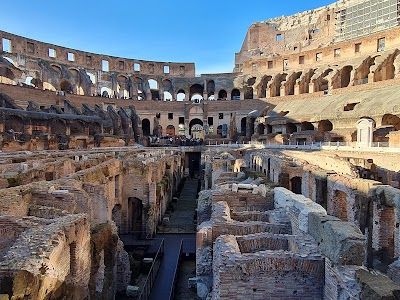
Colosseum
Step into history at the iconic Colosseum, where ancient gladiators once fought.
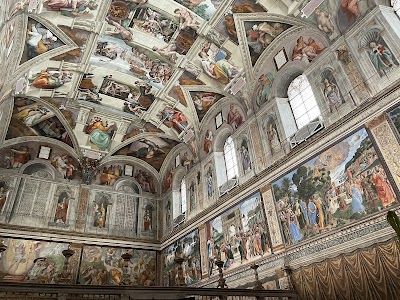
Vatican Museums
Explore unparalleled artistic treasures and history in the heart of Vatican City.
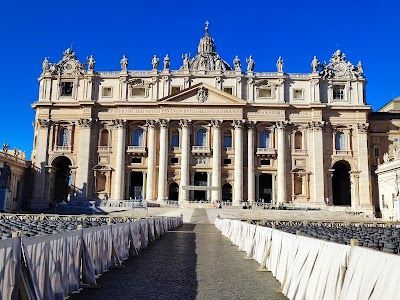
Saint Peter's Basilica
A masterpiece of Renaissance architecture, embodying spiritual grandeur and artistic brilliance in Rome.
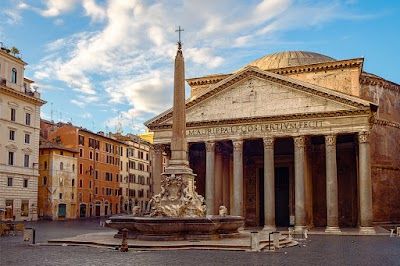
Pantheon
An architectural marvel, the Pantheon captivates with its grand dome and ancient history.
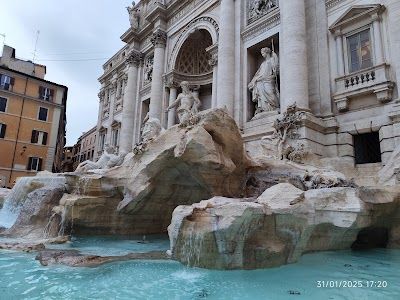
Trevi Fountain
An enchanting masterpiece, Trevi Fountain enchants visitors with its stunning Baroque artistry and enchanting legends.
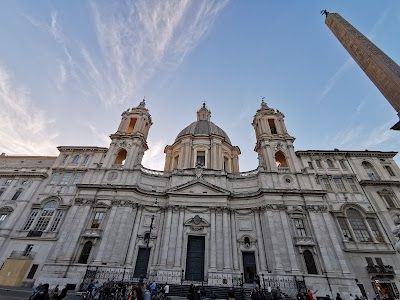
Piazza Navona
Experience the vibrant energy and stunning fountains of Rome's iconic Piazza Navona.