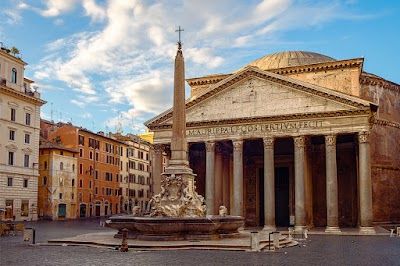
The Pantheon in Rome is one of the best-preserved monuments of ancient Rome and a masterpiece of architectural ingenuity. Built around 126 AD during Emperor Hadrian's reign, this former Roman temple has dazzled visitors for centuries with its enormous, perfectly symmetrical dome-an engineering marvel that remains the largest unreinforced concrete dome in the world to this day. The oculus, a central circular opening at the top of the dome, allows natural light to flood the interior, enhancing the grandeur and spiritual ambiance of the space.
Visitors to the Pantheon can expect to be immersed in a unique blend of history and artistry. The interiors boast exquisite marble floors and walls, along with intricate details that reflect its transformation into a Christian church in the 7th century. The atmosphere inside is one of reverence and awe, a quiet sanctuary amid the bustling piazza outside. The Pantheon also serves as the final resting place for notable figures such as the painter Raphael, further adding to its cultural significance.
Why do travelers love the Pantheon? Beyond its stunning architecture and historical importance, it offers a tangible connection to Rome's imperial past and enduring legacy. Its central location in the lively Piazza della Rotonda makes it an accessible and rewarding stop for history buffs, architecture enthusiasts, and casual visitors alike. Whether you're admiring the dome's proportions, lighting, or simply soaking in the centuries of history, the Pantheon promises an unforgettable experience that highlights the ingenuity of Roman engineering and art.
Highlights
- The massive coffered concrete dome with its open oculus measuring 8.2 meters in diameter
- The richly decorated interior with polychrome marble flooring and Corinthian columns
- The tomb of Renaissance artist Raphael and several Italian kings
Best Time to Visit
Early mornings or late afternoons on weekdays are the best times to visit to avoid large crowds and experience a more peaceful atmosphere inside the Pantheon. Visiting during spring and fall also offers pleasant weather and fewer tourists compared to peak summer months.
Insider Tips
- 1Arrive right when the Pantheon opens to enjoy the interior with minimal crowds.
- 2Bring a camera to capture the play of natural light from the oculus onto the interior walls, especially on sunny days.
- 3Combine your visit with a stroll through Piazza della Rotonda, where you can enjoy local cafes and watch the lively street performances.
Frequently Asked Questions
No, the Pantheon is free to enter year-round, making it one of the rare ancient monuments in Rome with no admission charge.
Yes, visitors can join guided tours either in person or via audio guides available for rent nearby. Guided tours provide rich historical context and architectural insights enhancing the experience.
The Pantheon has a flat and level interior floor, making it generally accessible. However, the surrounding piazza may have uneven cobblestones, so care is advised. There are no entrance stairs inside, but check locally for specific assistance services.
More Instagram-Worthy Spots
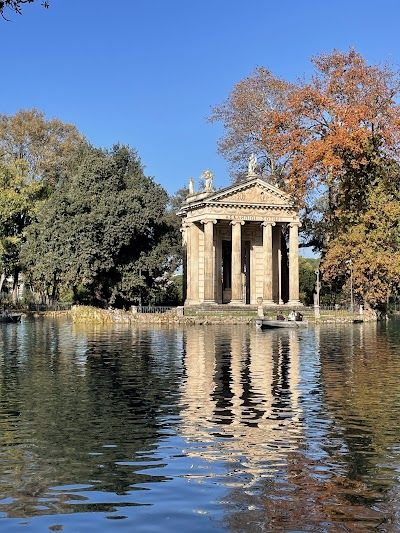
Villa Borghese
Explore lush gardens, stunning art, and family-friendly activities in Rome's enchanting Villa Borghese.
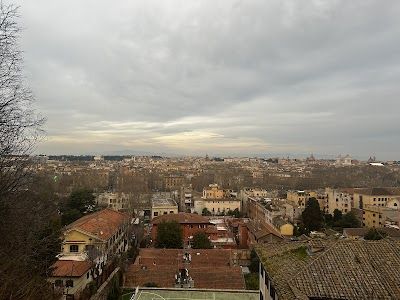
Terrazza Panoramica Passeggiata del Gianicolo
Breathtaking views of Rome await at Terrazza Panoramica; a must-see for stunning sunsets!
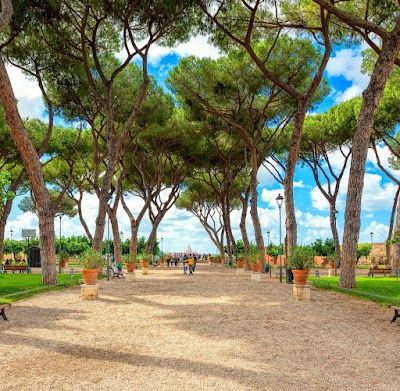
Giardino degli Aranci
Bask in breathtaking views of Rome amidst lush orange trees and serene gardens.
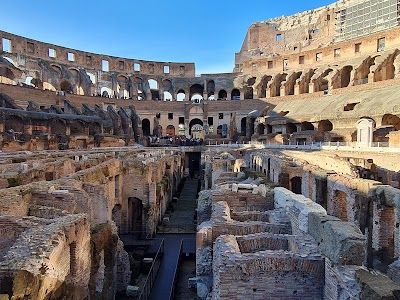
Colosseum
Step into history at the iconic Colosseum, where ancient gladiators once fought.
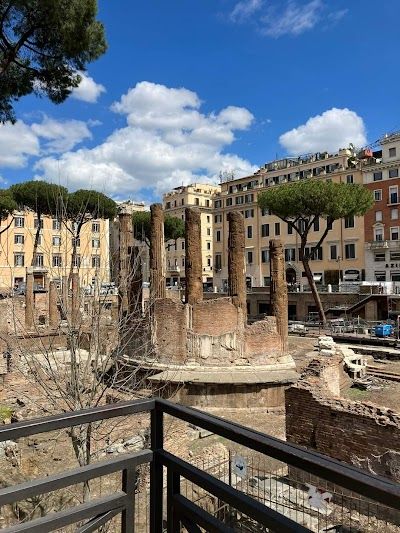
Feral Feline Colonies Torre Argentina
Discover a whimsical haven where ancient ruins meet playful feline residents in Rome.
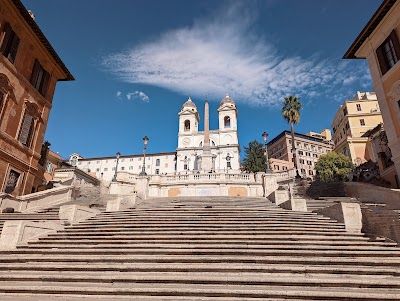
Spanish Steps
A picturesque staircase adorned with vibrant flowers, perfect for people-watching and romance.