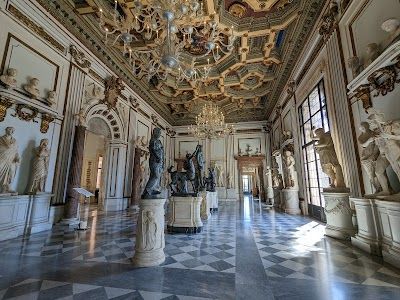
The Capitoline Museums, located atop Rome's historic Capitoline Hill, represent one of the world's oldest and most significant public museums. Founded in 1471 when Pope Sixtus IV donated a collection of ancient bronzes to the people of Rome, the museums have evolved into an expansive cultural complex housed in three connected palazzi-Palazzo dei Conservatori, Palazzo Nuovo, and Palazzo Senatorio. Visitors stepping into this emblematic museum are transported through millennia of Roman history, art, and archaeology, with collections that span from ancient Roman and Greek sculptures to Renaissance and Baroque masterpieces.
Inside the museums, the atmosphere blends grandeur with intimacy. The layout is thoughtfully curated, guiding guests through an immersive narrative of Rome's rise, glory, and artistic heritage. Expect to encounter iconic works such as the statue of the Capitoline Wolf, the colossal head of Emperor Constantine, and the famed Dying Gaul. The complex also boasts impressive galleries of ancient coins, inscriptions, and mosaics, offering visitors deeper insight into the socioeconomic and cultural fabric of ancient Rome.
Visitors love the Capitoline Museums not only for its unparalleled collections but also for its stunning views overlooking the Roman Forum and the cityscape beyond. The museums' location itself is a historical gem, with Piazza del Campidoglio designed by Michelangelo, enhancing the experience with architectural elegance. Whether you are an ardent history buff, an art lover, or a casual visitor, the Capitoline Museums provide a rich, educational, and visually spectacular experience that encapsulates the heart of Roman antiquity and artistry.
Highlights
- The Capitoline Wolf - an iconic bronze statue representing the myth of Rome's founding
- The colossal marble head of Emperor Constantine dating back to the 4th century AD
- Michelangelo's design of Piazza del Campidoglio framing the museum's entrance and views
Best Time to Visit
The best time to visit is during the shoulder seasons in spring (April to June) and autumn (September to October), when the crowds are thinner and the weather is pleasant. Early mornings are also ideal to avoid peak visitor times and enjoy a more tranquil experience.
Insider Tips
- 1Purchase tickets online in advance to skip the often long entrance lines, especially during peak tourist seasons.
- 2Start your visit with the Palazzo dei Conservatori for an impressive introduction, then proceed to the Palazzo Nuovo and outdoor terraces.
- 3Don't miss the rooftop terraces with panoramic views of the Roman Forum and surrounding landmarks-perfect for photos.
Frequently Asked Questions
Photography without flash is generally permitted for personal use in most areas of the museums. However, some temporary exhibitions or specific artworks may have restrictions, so always check signs or ask staff.
Yes, the museums have made efforts to improve accessibility, including ramps and elevators, but due to the historical architecture, some areas may be challenging. It's recommended to check ahead for specific accessibility needs.
Absolutely. Many guided tours are available, offering expert insights that can enrich your understanding of the collections and Roman history. Booking a tour in advance, especially in a preferred language, is advisable.
More Museums & Galleries
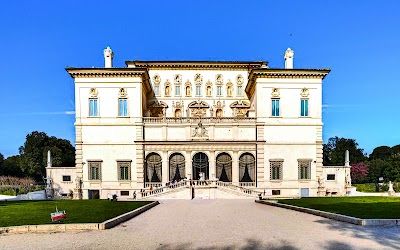
Galleria Borghese
A treasure trove of masterpieces, Galleria Borghese captivates with art and lush gardens.
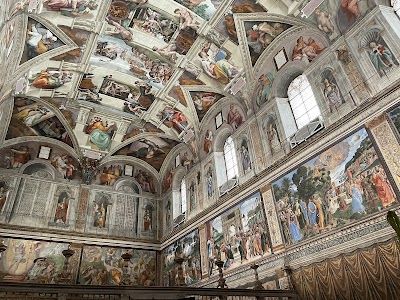
Vatican Museums
Explore unparalleled artistic treasures and history in the heart of Vatican City.
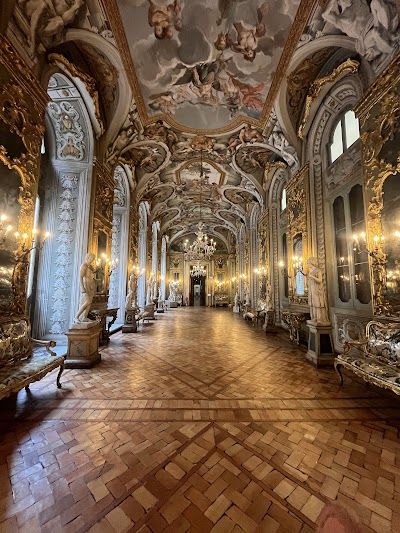
Galleria Doria Pamphilj
Experience timeless beauty in Rome's Galleria Doria Pamphilj, home to breathtaking masterpieces.
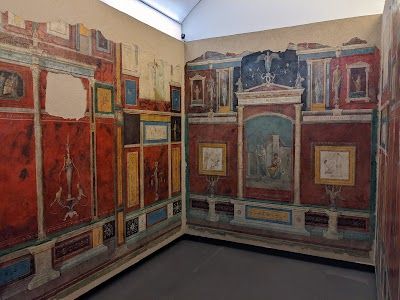
Museo Nazionale Romano, Palazzo Massimo alle Terme
Discover ancient Roman treasures and stunning frescoes in this captivating museum gem.
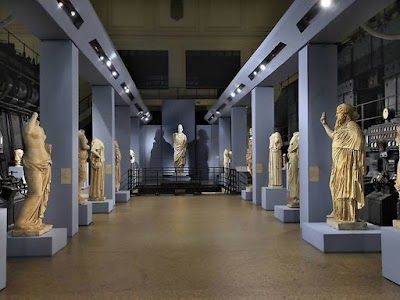
Centrale Montemartini
Experience ancient sculptures in a stunning industrial setting at Rome's Centrale Montemartini.
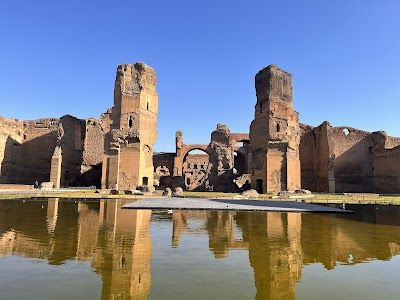
Baths of Caracalla
Immerse in ancient luxury at the majestic Baths of Caracalla, where history breathes.