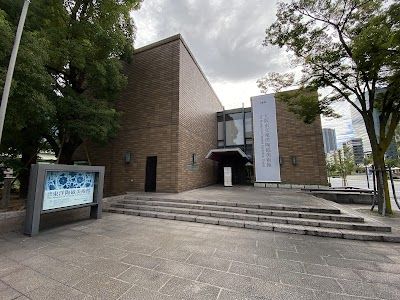
The Museum of Oriental Ceramics, Osaka, is a prestigious institution dedicated to the appreciation and preservation of Asian ceramics, with a particular emphasis on Chinese and Korean pieces alongside exquisite Japanese works. Established in 1982, the museum houses an extraordinary collection that spans over a thousand years, reflecting the rich artistic and cultural heritage of the East. The building itself is modern and thoughtfully designed to create a tranquil atmosphere that encourages careful observation and reflection.
Visitors can expect to see a diverse range of ceramics, including delicate porcelain, ancient stoneware, and intricate pottery adorned with traditional glazes and motifs. The museum's collection is renowned worldwide, with many pieces recognized as National Treasures and Important Cultural Properties. Exhibitions rotate periodically, ensuring that even returning visitors will discover something new and captivating.
The ambiance of the museum is serene and contemplative, enhanced by minimalist exhibition spaces that allow the beauty of each ceramic piece to take center stage. Visitors often appreciate the detailed informational plaques and the availability of English guides, which provide richer historical context and artistic insights. The museum's tea room and adjacent garden add to the cultural experience, blending art appreciation with a touch of Japanese tradition.
Visitors love the Museum of Oriental Ceramics for its rare access to masterful works of art that chronicle the development of ceramic techniques and aesthetics across several countries. It offers a unique educational experience for both casual tourists and serious collectors, making it a must-visit destination for anyone interested in the intricate craft and history of Asian ceramics.
Highlights
- Extensive collection of Chinese, Korean, and Japanese ceramics dating from the Tang Dynasty to modern times
- Rotating special exhibitions featuring rare and National Treasure pieces
- Beautifully designed exhibition halls emphasizing minimalism and natural lighting
Best Time to Visit
The best time to visit is during spring (March to May) or autumn (September to November) when the weather in Osaka is mild and pleasant, allowing visitors to also enjoy the museum's garden area. Weekdays, especially in the morning, are ideal to avoid crowds and have a more intimate viewing experience.
Insider Tips
- 1Check the museum's website ahead for special exhibitions or temporary closures.
- 2Combine your visit with a stroll through the nearby Nakanoshima Park for a relaxing day.
- 3Use the free English audio guide app to gain deeper insights into key pieces.
Frequently Asked Questions
Photography is generally prohibited inside the exhibition rooms to protect the delicate artworks, but photos are allowed in designated areas or during specific exhibitions with permission.
Yes, the museum is fully accessible with wheelchair ramps, elevators, and accessible restrooms to accommodate visitors with disabilities.
Yes, the museum features a gift shop offering books, ceramics, and souvenirs, as well as a small café where visitors can enjoy refreshments while reflecting on their visit.
More Museums & Galleries
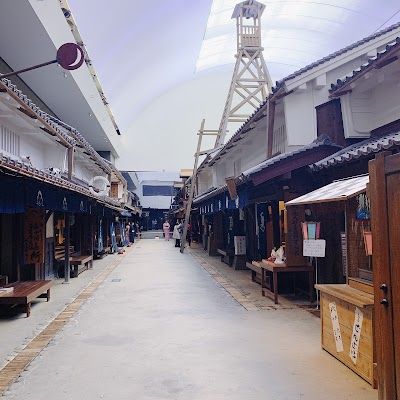
Osaka Municipal Housing Museum "Osaka Museum of Housing and Living"
Step back in time to explore Osaka's unique living history in immersive exhibits.
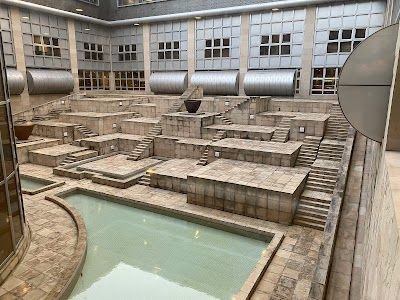
National Museum of Ethnology
Explore diverse cultures through captivating exhibits at Osaka's renowned National Museum of Ethnology.

Osaka Museum of History
Explore Osaka's vibrant past through interactive exhibits and stunning cityscape views.
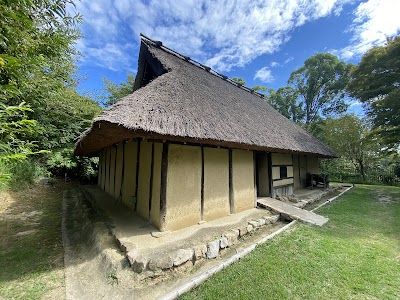
Open Air Museum of Old Japanese Farm Houses
Experience Japan's rich agricultural heritage in authentic, charming farmhouses amidst nature.
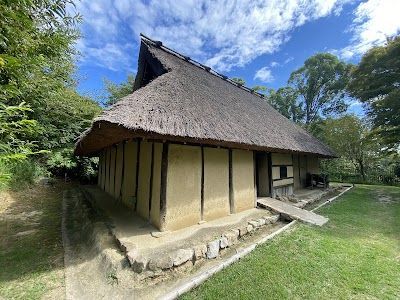
Open Air Museum of Old Japanese Farm Houses
Experience Japan's rich agricultural heritage in authentic, charming farmhouses amidst nature.
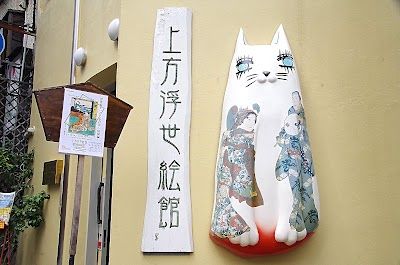
Kamigata Ukiyo-e Museum
Explore the vibrant world of Edo-era woodblock prints at Osaka's Kamigata Ukiyo-e Museum.