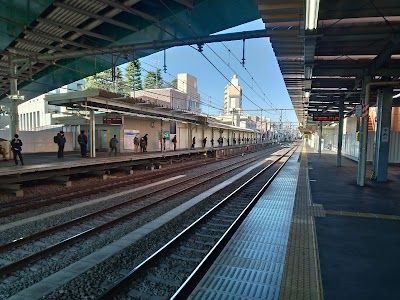
Nakai Station, located in the Shinjuku ward of Tokyo, Japan, is more than just a transit point - it's a hidden gem that offers visitors a glimpse into the tranquil side of urban Tokyo. Established in 1927, Nakai Station has evolved into a charming locale where modernity meets tradition through its unique architecture and community-focused charm. Though it serves as a practical hub with JR East and the Toei Oedo subway line, the station area itself exudes an inviting atmosphere marked by quiet streets, local artisan shops, and quaint cafés tucked away from the usual tourist crowds.
Visitors can expect a peaceful environment punctuated by thoughtfully designed spaces showcasing subtle Japanese craftsmanship. The station's design features intricate woodwork and attention to detail that reflect Tokyo's architectural transition between the Showa and modern eras. Around the station, small galleries and local workshops offer handcrafted goods, making Nakai a perfect spot to discover unique souvenirs away from the commercial hustle of central Tokyo.
The atmosphere here is relaxed and community-oriented, attracting locals who appreciate the harmony between everyday life and artistic expression. It's this blend of accessibility and serenity that attracts travelers looking for an authentic Tokyo experience without the heavy foot traffic found in more famous areas. Evening visits unveil a cozy ambiance with traditional eateries serving home-style Japanese cuisine, allowing visitors to immerse themselves in local flavor both culturally and gastronomically.
Visitors love Nakai Station for its understated charm and the opportunity it provides to explore Tokyo like a local. It serves as a peaceful retreat where one can observe authentic neighborhood life, engage with artisans, and appreciate stunning architectural details that are often overlooked in the sprawling metropolis. Whether you're a passionate traveler seeking off-the-beaten-path treasures or simply in need of a calm break, Nakai Station delivers a memorable and enriching experience.
Highlights
- Architectural details showcasing Showa-era craftsmanship
- Local artisan shops and galleries featuring handmade Japanese goods
- Authentic neighborhood eateries serving traditional Japanese cuisine
Best Time to Visit
Spring (March to May) and autumn (September to November) are the best times to visit Nakai Station. During these months, the mild weather allows for comfortable exploration of the surrounding streets, and seasonal decorations and events often enrich the local experience.
Insider Tips
- 1Visit during weekday mornings to experience the calmest atmosphere and interact with local artisans.
- 2Explore the side streets around the station to find hidden cafés and specialty shops not marked on main maps.
- 3If possible, time your visit for local cultural workshops often hosted nearby to engage directly with traditional crafts.
Frequently Asked Questions
Yes, Nakai Station is equipped with elevators and ramps to accommodate travelers with mobility challenges, making it relatively easy to navigate.
While Nakai Station itself has limited luggage storage, nearby JR stations and major transport hubs in Shinjuku offer coin lockers and service counters for luggage storage.
Yes, several local artisan shops around Nakai Station sell handmade goods, and some galleries also host workshops where visitors can observe or participate in craft-making.
More Hidden Gems
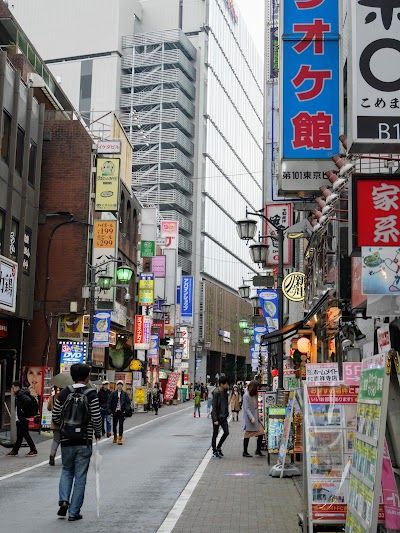
Kichijōji
Kichijōji blends bohemian charm with vibrant parks and eclectic boutiques, perfect for exploration.
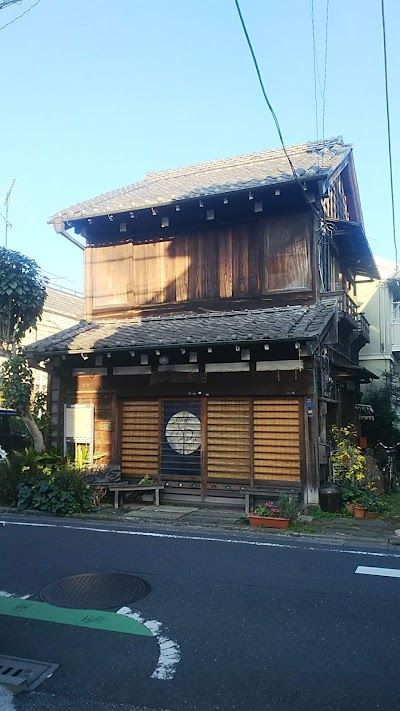
Yanaka
Explore Yanaka's charming streets, where traditional Japan meets vibrant culture and history.
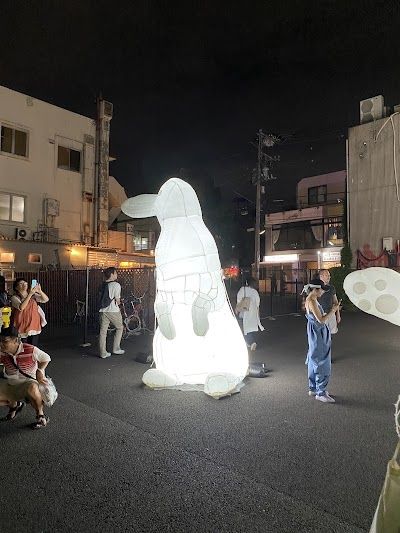
Shimokitazawa
Shimokitazawa: Tokyo's bohemian haven, bursting with vintage shops, cafes, and vibrant street art.
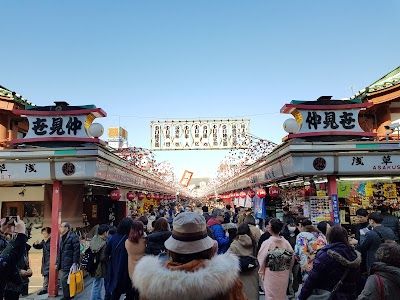
Nakamise Shopping Street
Experience vibrant stalls and traditional snacks on this historic street leading to Senso-ji Temple.
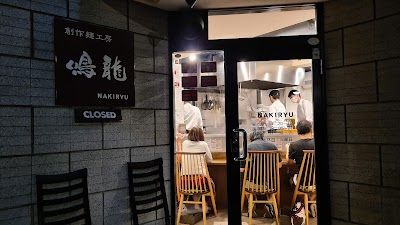
Sōsakumen Kōbō Nakiryū
Experience traditional craftsmanship in this serene Tokyo workshop, a hidden gem for artisans.
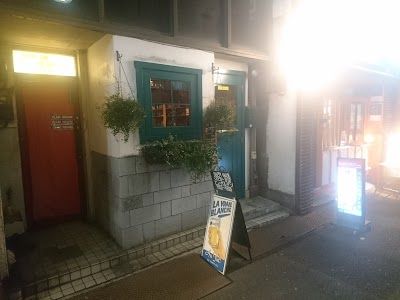
GIBBON
A serene oasis of creativity and culture, perfect for art lovers seeking tranquility.