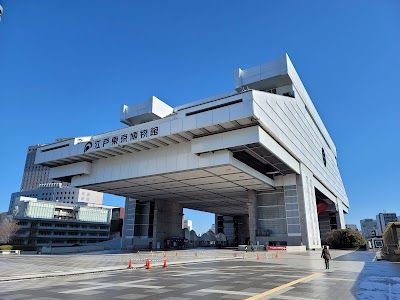
The Edo-Tokyo Museum offers a fascinating journey through the vibrant history and culture of Tokyo from the Edo period (1603-1868) to modern times. Opened in 1993, the museum is housed in a distinctive modern architectural building resembling a traditional elevated warehouse, located in the Ryogoku district, an area famous for sumo wrestling. Inside, visitors can explore meticulously crafted life-size replicas, historical artifacts, paintings, and interactive displays that bring to life the evolution of Tokyo from a small castle town to the bustling metropolis it is today.
Visitors can expect an engaging educational experience that illuminates Tokyo's transformation against the backdrop of Japan's broader historical narrative. Highlights include a detailed replica of the Nihonbashi bridge, the symbolic heart of Edo, and a full-scale model of a traditional Edo-era merchant house. The museum's atmosphere blends modern design with historical ambiance, offering a calm yet immersive environment that appeals to history enthusiasts, families, and curious travelers alike.
What makes the Edo-Tokyo Museum truly special is its ability to merge past and present through innovative exhibits that incorporate multimedia elements and tactile experiences. Visitors often appreciate the well-organized layout that guides them chronologically through Tokyo's story, making complex history approachable. The museum not only celebrates the Edo period but also documents the city's recovery after the Great Kanto Earthquake and WWII bombings, highlighting Tokyo's resilience and dynamism.
Overall, visitors love the Edo-Tokyo Museum for its thorough storytelling, engaging hands-on exhibits, and the richness of cultural insights it offers. It serves as an essential stop for anyone wanting a deep understanding of Tokyo beyond the contemporary urban landscape, making the city's past come vividly alive.
Highlights
- Life-size replica of the Nihonbashi Bridge, the historic center of Edo (old Tokyo)
- Authentic full-scale Edo-period merchant house showcasing daily life
- Exhibits detailing Tokyo's reconstruction after the 1923 Great Kanto Earthquake and WWII
Best Time to Visit
Late morning on weekdays during non-holiday months (March to May or September to November) is ideal to avoid crowds and enjoy a more intimate visit. The museum can get busy on weekends and public holidays due to its popularity among families and tourists.
Insider Tips
- 1Rent the multilingual audio guide available at the entrance for an enriched experience.
- 2Take advantage of the free museum sketchbook provided at the entrance to jot down notes or drawings.
- 3Visit the museum shop for unique Edo-themed souvenirs and books not commonly found elsewhere.
Frequently Asked Questions
Photography is permitted in most areas of the museum, but flash photography and tripods are not allowed to protect the exhibits. Some special exhibitions may have stricter restrictions.
Yes, the museum is fully accessible with elevators, ramps, and wheelchair rental service available. Staff are helpful and can assist visitors with special needs.
Absolutely. The museum offers interactive displays and hands-on exhibits that are engaging for children, making it a great educational outing for families.
More Museums & Galleries
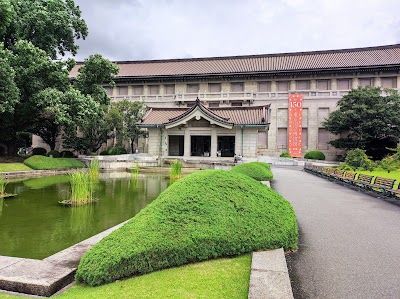
Tokyo National Museum
Explore Japan's rich history through stunning artifacts at Tokyo's premier museum.
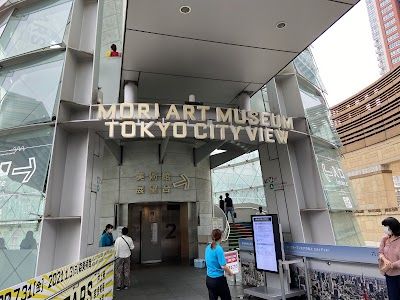
Mori Art Museum
Experience cutting-edge contemporary art with panoramic Tokyo views at Mori Art Museum!
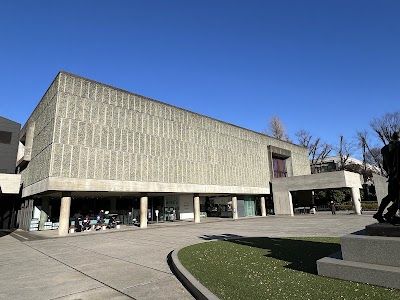
The National Museum of Western Art
Discover masterpieces from Monet to Van Gogh in a stunning architectural gem.
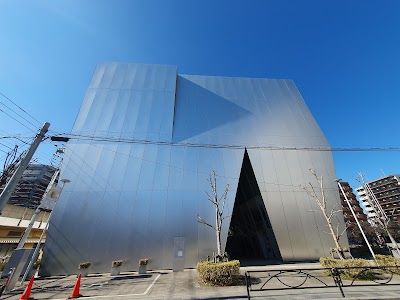
The Sumida Hokusai Museum
Immerse yourself in the vibrant world of ukiyo-e at Hokusai's dedicated Tokyo museum.
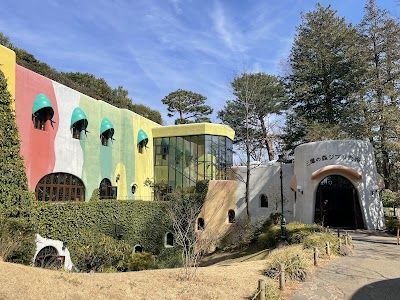
Ghibli Museum
Step into a whimsical world where Studio Ghibli's enchanting films come to life.
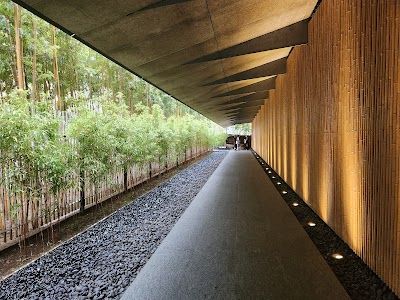
Nezu Museum
A serene oasis of art and gardens, blending tradition with modern elegance in Tokyo.