
The National Palace of Pena, located in the lush hills of Sintra near Lisbon, is a captivating example of 19th-century Romanticism and one of Portugal's most iconic landmarks. Originally a monastery, the site was transformed by King Ferdinand II in the mid-1800s into a whimsical palace that blends Gothic, Moorish, and Manueline architectural styles with vibrant colors and intricate detailing. The palace's eclectic design and fairy-tale appearance have made it a symbol of the Romantic era and a visual treasure perched dramatically atop the Sintra hills, offering panoramic views over the surrounding forests and the Atlantic Ocean.
Visitors can expect to be transported into a world of fantasy as they explore the richly decorated rooms, including royal apartments adorned with period furnishings, hand-painted tiles, and elaborate woodwork. The extensive Pena Park that surrounds the palace is equally enchanting, featuring exotic plants, meandering paths, and secluded lookout points that add to the palace's mysterious charm. The atmosphere is both majestic and serene, making it perfect for travelers who appreciate history, architecture, and nature combined.
What makes the National Palace of Pena especially beloved by visitors is not only its visually stunning architecture but also the immersive experience it offers. Climbing the palace's terraces reveals breathtaking vistas of Sintra and beyond, while the lush gardens provide a peaceful retreat from the crowds. The palace is a UNESCO World Heritage site and is consistently ranked among Portugal's must-see attractions, drawing visitors who want to glimpse a unique chapter of Portuguese heritage and enjoy a fairy-tale setting just a short distance from Lisbon.
Highlights
- Striking colorful facades combining Neo-Gothic, Neo-Manueline, Neo-Islamic, and Neo-Renaissance styles
- Panoramic views from the palace terraces over Sintra, the Atlantic coast, and the surrounding Sintra-Cascais Natural Park
- Extensive Pena Park with exotic trees, hidden paths, and romantic lookout spots
Best Time to Visit
The best time to visit is during the spring (March to May) and early autumn (September to October) when the weather is mild and the crowds are smaller, allowing for a more pleasant exploration of the palace and gardens. Early mornings on weekdays also tend to be quieter.
Insider Tips
- 1Purchase tickets online in advance to avoid long queues, especially in peak tourist seasons.
- 2Wear comfortable shoes as the palace is situated on a hill with uneven paths and there is a fair amount of walking in the gardens.
- 3Combine your visit with a trip to the nearby Moorish Castle or the historic center of Sintra for a full day of sightseeing.
Frequently Asked Questions
While efforts have been made to improve accessibility, the palace's hilly terrain, stairs, and historic structures mean that some areas are challenging for wheelchair users. Limited access is possible with assistance, but visitors should prepare for some physical obstacles.
Photography is generally allowed in the outdoor areas and palace grounds, but it is restricted inside certain rooms to protect the delicate furnishings and artworks. Look for signage and staff guidance about where photography is permitted.
The most common way is to take a train from Lisbon's Rossio station to Sintra, which takes about 40 minutes. From Sintra town center, you can take a shuttle bus, taxi, or hike up the hill to the palace. Some visitors also prefer guided tours that include transportation.
More Top Attractions

Sintra
Enchanting palaces and lush gardens await in the fairytale town of Sintra, Portugal.
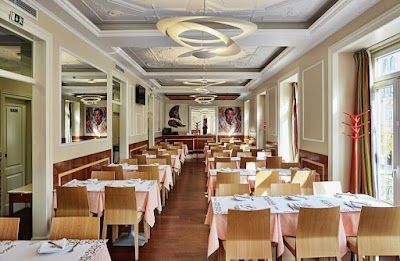
Restaurant - Cervejaria Ramiro
Savor mouthwatering seafood at Cervejaria Ramiro, Lisbon's iconic culinary treasure.

Quinta da Regaleira
Discover enchanting gardens, mystical wells, and intriguing architectural wonders at Quinta da Regaleira.

Belém Tower
A stunning emblem of Portugal's Age of Discoveries, featuring exquisite Manueline architecture and river views.
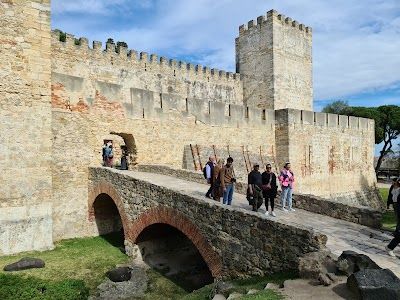
Castelo de São Jorge
An ancient fortress offering breathtaking views and rich history in Lisbon's heart.
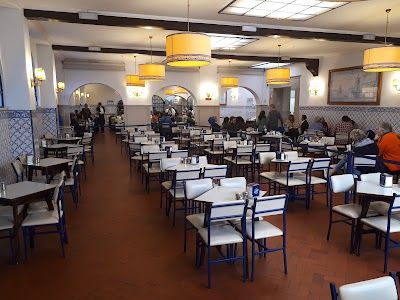
Pastéis de Belém
Indulge in Lisbon's legendary pastéis de nata, a delicious custard tart with a secret recipe.