
Bo-Kaap is one of Cape Town's most iconic neighborhoods, renowned for its kaleidoscope of brightly painted houses and its deeply rooted Cape Malay culture. Nestled on the slopes of Signal Hill, this historic district dates back to the 1760s when freed slaves and immigrants from Malaysia, Indonesia, and other parts of Africa settled in the area. The neighborhood's cobblestone streets, mosques, and vibrant markets offer a unique window into a diverse cultural heritage that has shaped Cape Town's identity.
Visitors to Bo-Kaap can expect a lively and colorful atmosphere filled with the aromas of traditional Cape Malay cuisine, the calls to prayer from the several mosques, and the joyful chatter of local residents proud to share their stories. The neighborhood is a photographer's paradise, with vivid facades contrasting beautifully against the backdrop of Table Mountain. Guided walking tours provide in-depth insights into the lives, struggles, and contributions of the Bo-Kaap community throughout history.
The area's cultural significance is reflected in its museums and heritage centers, where travelers can learn about the revolutionary role Bo-Kaap played in South Africa's history, especially regarding apartheid and religious freedom. Visitors also enjoy sampling authentic Cape Malay dishes like bobotie and koeksisters at local eateries. Many come away captivated by the blend of history, resilience, and vibrant artistry that makes Bo-Kaap a treasured destination in Cape Town.
Overall, Bo-Kaap's charm lies in its vivid visual appeal complemented by a rich cultural narrative that celebrates diversity and community. It's a must-visit neighborhood for those wanting to experience Cape Town beyond its natural scenery and discover the heartbeat of its historic urban soul.
Highlights
- The striking, multicolored houses lining the cobblestone streets
- The Auwal Mosque, the oldest mosque in South Africa
- Local Cape Malay cooking classes and food experiences
Best Time to Visit
Spring (September to November) and autumn (March to May) are ideal due to mild weather and fewer tourists, allowing comfortable exploration and optimal photography conditions.
Insider Tips
- 1Join a guided walking tour to gain deeper historical context and avoid getting lost in the maze of cobbled streets.
- 2Visit early in the morning to enjoy cooler temperatures and quieter streets before the afternoon crowds arrive.
- 3Respect that Bo-Kaap is a residential neighborhood; be mindful of noise and always ask for permission before photographing people.
Frequently Asked Questions
Bo-Kaap is generally safe during daylight hours, especially when staying on the main routes and joining guided tours. Like any urban area, it's advisable to remain vigilant, avoid walking alone at night, and secure your belongings.
Yes, some mosques like the Auwal Mosque welcome visitors outside of prayer times. It's important to dress modestly, remove shoes before entering, and be respectful of worship practices.
Bo-Kaap hosts various cultural events, especially during Eid and Ramadan, when the community comes together for celebrations and traditional feasts. Checking local listings or asking tour guides can help you time your visit to coincide with these vibrant festivities.
More Neighborhoods to Explore

Sea Point
Breathtaking ocean views, vibrant promenade, and lively atmosphere make Sea Point a must-visit.

Camps Bay
Camps Bay dazzles with golden beaches, stunning sunsets, and breathtaking mountain views.
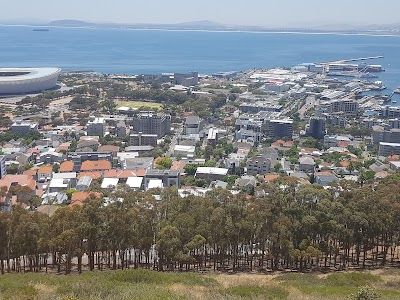
Green Point
Vibrant Green Point offers stunning ocean views, lively markets, and rich cultural diversity.
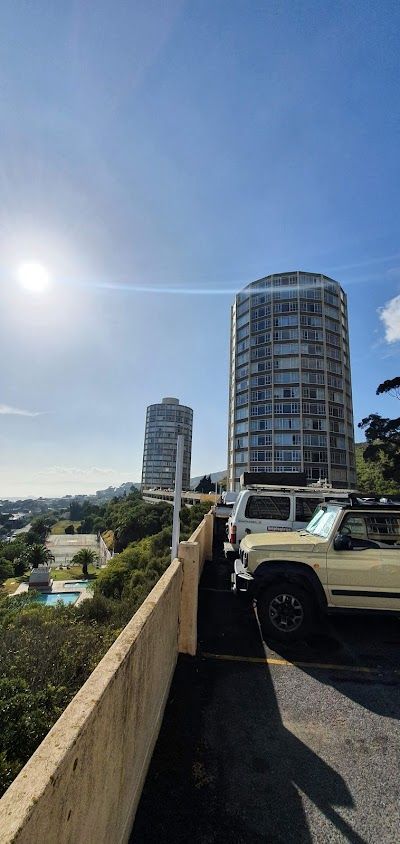
Vredehoek
Charming Vredehoek offers breathtaking mountain views and a vibrant local atmosphere.
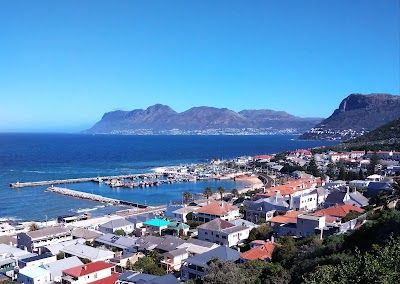
Kalk Bay
Charming seaside village, vibrant art scene, and delicious seafood await in picturesque Kalk Bay.
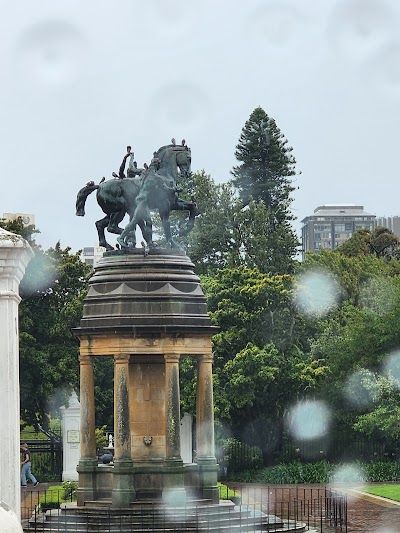
Gardens
Discover vibrant cafes and lush greenery in Cape Town's trendy Gardens neighborhood.