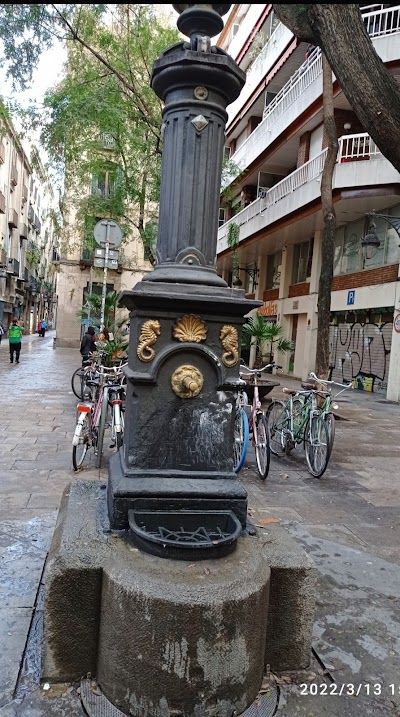
El Raval is one of the most dynamic and culturally rich neighborhoods in Barcelona, known for its eclectic mix of history, art, and multicultural influences. Historically, El Raval was Barcelona's working-class district and a hub for sailors and immigrants, giving it a gritty yet authentic character that has transformed significantly over recent decades. Visitors will find narrow streets bustling with life, lined with a blend of medieval architecture and modern street art, which together reflect the area's enduring spirit of resilience and creativity.
Today, El Raval embodies a vibrant tapestry of cultures, with a diverse population contributing to a lively atmosphere filled with international eateries, unique shops, and contemporary galleries. The neighborhood is also home to some of the city's most important cultural institutions, such as the Museu d'Art Contemporani de Barcelona (MACBA) and the Centre de Cultura Contemporània de Barcelona (CCCB), making it a must-visit area for art lovers. The juxtaposition of the old market, lively tapas bars, and cutting-edge cultural venues creates an authentic urban experience that captures the essence of modern Barcelona.
Visitors to El Raval can expect a community-oriented vibe, punctuated by the sounds of street musicians, the aroma of global cuisines, and the colorful energy of markets like La Boqueria just on its border. The neighborhood's atmosphere is edgy yet welcoming - its nighttime scene is equally vibrant, offering everything from traditional flamenco performances to contemporary clubs. The constant blend of tradition and innovation in El Raval ensures it remains a beloved spot for those looking to explore beyond the typical tourist paths and immerse themselves in an authentic, multicultural Barcelona neighborhood experience.
Highlights
- Museu d'Art Contemporani de Barcelona (MACBA) - a leading contemporary art museum
- La Boqueria Market - a world-famous food market with fresh local produce and tapas
- Street art and murals - vibrant urban art scattered throughout the neighborhood
Best Time to Visit
Spring (April to June) and fall (September to November) when the weather is mild and the neighborhood is lively but not overwhelmingly crowded. These seasons offer comfortable temperatures for exploring both indoors and outdoors.
Insider Tips
- 1Visit MACBA on Saturday afternoons for free entrance and to watch or join skateboarders in the plaza.
- 2Explore side streets like Carrer de Joaquín Costa to discover hidden cafés and vintage shops.
- 3Try international flavors ranging from Middle Eastern to South Asian cuisine, reflecting the area's diversity.
Frequently Asked Questions
El Raval is generally safe during the day, bustling with locals and tourists alike. However, like many urban neighborhoods, it's advisable to stay alert, especially at night, and avoid poorly lit areas.
El Raval is well-connected by metro with the closest stations being Liceu (Green Line L3) and Sant Antoni (Purple Line L2). Numerous bus lines also serve the area, making it easy to reach from anywhere in Barcelona.
Yes, many companies offer walking tours focusing on El Raval's street art, history, and food scene, providing deeper insights into the neighborhood's multicultural heritage.
More Neighborhoods to Explore
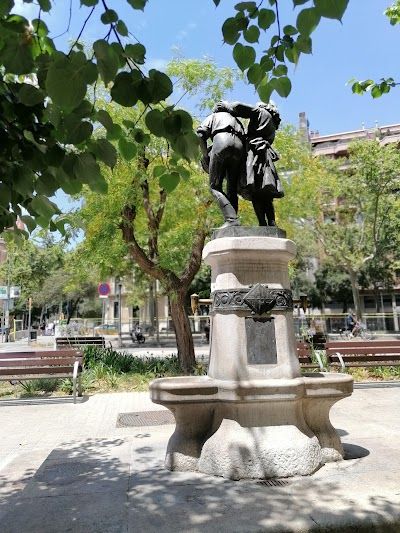
Eixample
Discover Eixample's stunning grid layout and iconic Modernist architecture, a true Barcelona gem.
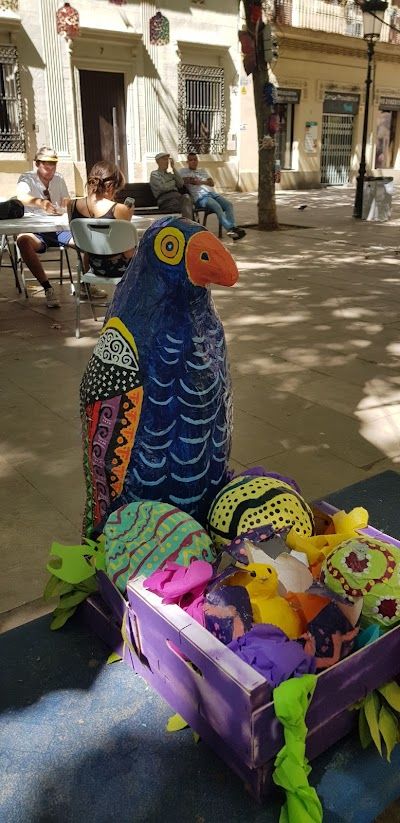
Gràcia
Experience Gràcia's charming squares, vibrant culture, and cozy family-friendly atmosphere in Barcelona.
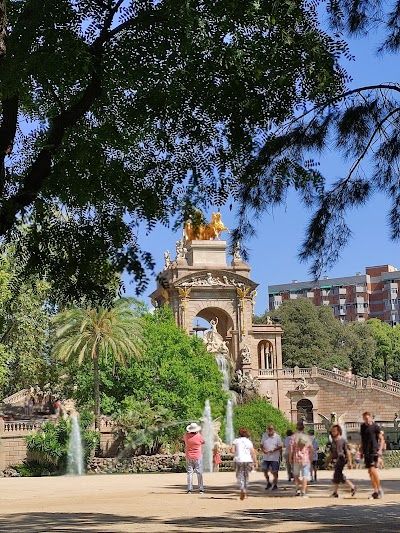
El Born
El Born: Barcelona's vibrant cultural heartbeat, showcasing art, history, and irresistible tapas.
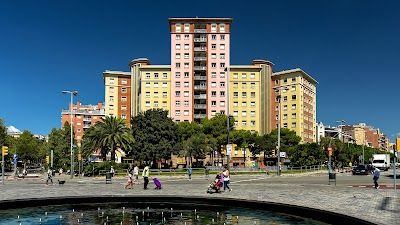
Plaça de Sants
Vibrant local life thrives at Plaça de Sants, a charming hub of authentic Barcelona culture.
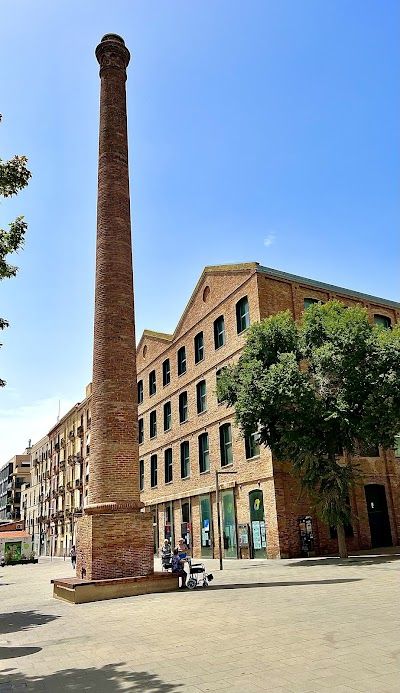
El Poblenou
El Poblenou: A vibrant mix of artistic spirit, beachside charm, and innovative culture.

Les Corts de Sarrià
Experience the charm of Les Corts de Sarrià, where tradition meets modernity in Barcelona.