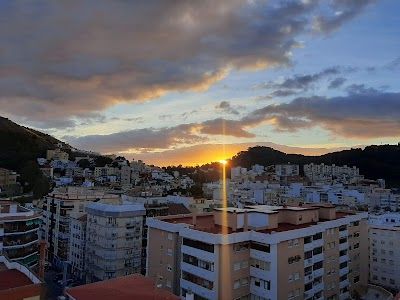
Cristo de la Epidemia is a historic neighborhood located in the heart of Málaga, Spain, known for its strong cultural roots and vibrant community life. The name 'Cristo de la Epidemia' traces back to a revered religious statue that locals associate with protection during historical epidemics, adding a unique spiritual significance to the area. This neighborhood retains an authentic Andalusian character with narrow, winding streets, traditional whitewashed houses, and small plazas where local life unfolds, offering visitors a window into Málaga's rich cultural tapestry.
Visitors to Cristo de la Epidemia can expect a lively yet intimate atmosphere where traditional markets, street art, and bustling tapas bars coexist with centuries-old churches and chapels. The area is famed for its colorful festivals and religious processions, especially those honoring the Cristo de la Epidemia statue, reflecting the deep faith and traditions held by the community. Strolling through the neighborhood provides a sensory experience of Andalusian life-from the scent of freshly baked bread to the sounds of Spanish guitar in the background.
The neighborhood's welcoming vibe appeals to travelers who seek to immerse themselves in local culture away from heavily touristy spots. Its proximity to Málaga's historic center allows easy access to major landmarks while offering a more relaxed pace and chance to interact with locals. Visitors love Cristo de la Epidemia for its authentic charm, the opportunity to explore hidden corners of Málaga's history, and its vibrant street life, making it a perfect destination for cultural explorers and history enthusiasts alike.
Highlights
- The historic statue of Cristo de la Epidemia housed in the local church
- Traditional Andalusian architecture and narrow cobbled streets
- Lively local markets and tapas bars offering authentic cuisine
Best Time to Visit
Spring (April to June) and early autumn (September to October) are the best times to visit when the weather is pleasantly warm and the neighborhood hosts vibrant religious festivals and cultural events.
Insider Tips
- 1Visit during the festival honoring Cristo de la Epidemia to witness traditional religious processions and local celebrations.
- 2Try tapas at the small family-run bars around Plaza de la Merced for authentic Andalusian flavors.
- 3Wear comfortable shoes to navigate the cobblestone streets and take advantage of quieter mornings for peaceful exploration.
Frequently Asked Questions
Yes, the neighborhood is centrally located and easily reachable by Málaga's bus network and is within walking distance from the city's main train station and historic center.
While there are no exclusive tours focused solely on Cristo de la Epidemia, many Málaga city tours include this neighborhood as part of their itinerary due to its historic and cultural significance.
Absolutely. The neighborhood is known for its welcoming atmosphere and low crime rates, making it safe for solo travelers, families, and visitors exploring at any time of the day.
More Neighborhoods to Explore
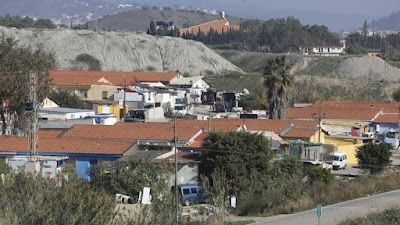
Los Asperones
A vibrant Málaga neighborhood, Los Asperones offers a tapestry of culture, community, and stunning views.
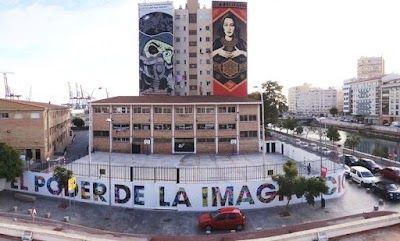
Soho
Soho, Málaga: a vibrant artistic hub brimming with street art, culture, and eclectic eateries.
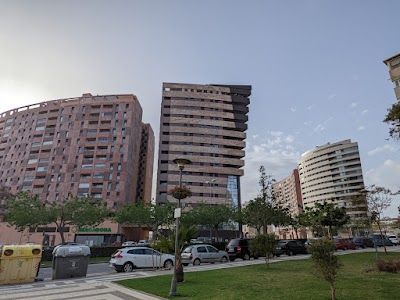
Teatinos
A vibrant blend of modernity and tradition, Teatinos offers lively streets, cultural gems, and university energy.
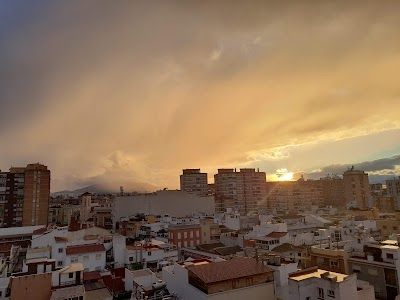
Huelin
Huelin: a vibrant seaside neighborhood in Málaga, blending local charm with stunning beaches.
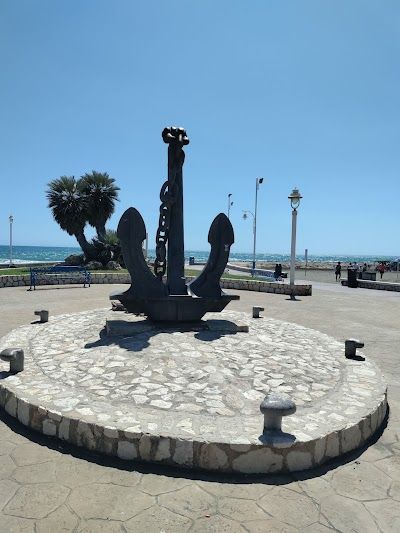
El Palo
Charming beachfront neighborhood in Málaga, known for delicious seafood and vibrant local culture.
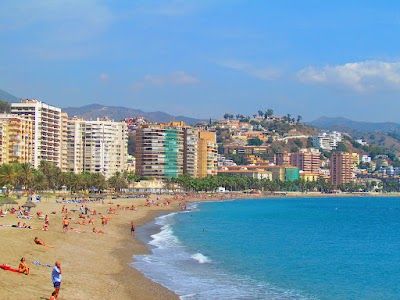
Playa de la Malagueta (Málaga)
Golden sands meet vibrant culture at Playa de la Malagueta-perfect for family fun!