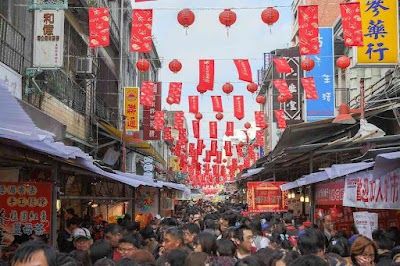
Dihua Street in Taipei is a fascinating blend of old and new, where history and commerce intersect in a charming urban setting. Established during the Qing Dynasty, this street was originally a bustling center for tea trade and traditional Chinese medicine, which over time evolved into a vibrant marketplace for dried goods, spices, and fabric. The area preserves much of its architectural heritage with well-maintained shop fronts reflecting Baroque influences and traditional Taiwanese styles, making it a living museum of Taipei's commercial past.
Visitors to Dihua Street can expect a lively atmosphere filled with local vendors and artisans selling everything from herbal medicines and tea leaves to intricate handicrafts and festive decorations. The street transforms with the seasons, especially during Lunar New Year when families flock here to purchase lucky charms, dried fruits, and ingredients used in traditional holiday cooking. The sensory experience is rich-with aromas of incense, dried herbs, and fresh produce mingling with the vibrant chatter of hawkers and locals.
What sets Dihua Street apart is the seamless integration of heritage and modernity. In recent years, trendy cafes, boutique shops, and art spaces have quietly emerged alongside century-old businesses, creating a dynamic cultural corridor. Visitors can sip artisan coffee in a renovated heritage building, browse contemporary fashion items, or attend cultural workshops that highlight Taiwanese craftsmanship. This blend makes Dihua Street a beloved spot for both everyday shopping and meaningful cultural exploration.
Travelers appreciate Dihua Street not only for its authenticity but also for its role as a community hub that celebrates Taiwanese identity and traditions. Whether you're a history buff, a foodie, or a lover of unique souvenirs, Dihua Street offers an immersive experience steeped in culture, flavor, and story.
Highlights
- Explore century-old shops selling traditional Chinese medicines, teas, and dried goods
- Experience the lively Lunar New Year market filled with festive decorations and local delicacies
- Visit renovated heritage buildings featuring boutique cafes, artisanal shops, and cultural workshops
Best Time to Visit
Late December to early February, especially during the Lunar New Year period, when the street comes alive with festive markets and vibrant cultural activities.
Insider Tips
- 1Visit early in the morning to beat the crowds and enjoy a more relaxed shopping experience.
- 2Bring cash as many traditional vendors do not accept credit cards.
- 3Try local snacks like pineapple cakes and herbal teas from small stalls to get a taste of authentic Taiwanese flavors.
Frequently Asked Questions
Yes, Dihua Street is easily accessible by Taipei MRT. The closest stations are Beimen Station and Daqiaotou Station. From there, it is a short walk to the market area.
Absolutely. Dihua Street offers a wide range of souvenirs such as traditional teas, dried fruits, herbal products, and handcrafted goods that are perfect for gifting or personal keepsakes.
Yes, several local tour operators and cultural organizations offer walking tours that provide in-depth historical context and highlight hidden gems along the street.
More Hidden Gems
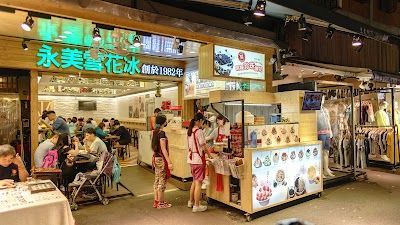
Lehua Night Market
Experience a vibrant tapestry of Taiwanese flavors and local crafts at Lehua Night Market.
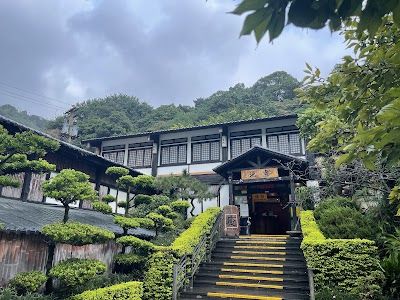
Emperor Hotspring
Discover serene tranquility at Emperor Hotspring, nestled in Taipei's lush Beitou district.
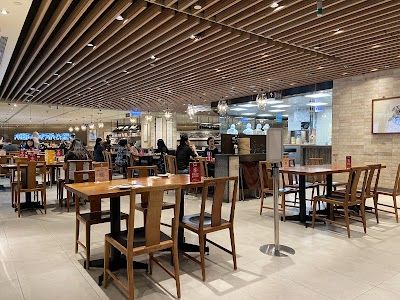
Din Tai Fung 101
Savor exquisite xiao long bao at Din Tai Fung, a culinary gem in Taipei.

the Hive Taipei
Discover The Hive Taipei, an artistic haven blending creativity, community, and vibrant nightlife.
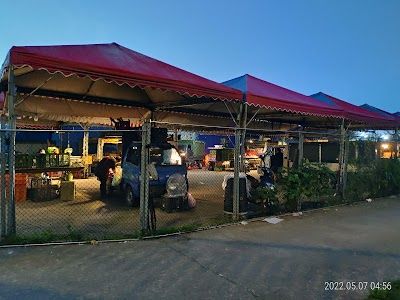
Fuhe Bridge Flea Market
Discover eclectic treasures and local culture at Taipei's vibrant Fuhe Bridge Flea Market.
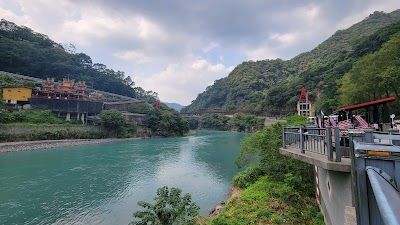
Wulai District
Discover Wulai's stunning waterfalls, hot springs, and vibrant Indigenous culture just outside Taipei.