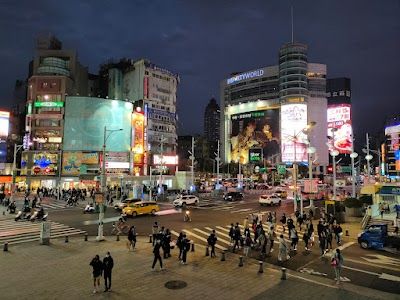
Shi-men Ting, located in Taipei City's Wanhua District, is a neighborhood steeped in history and contemporary Taiwanese culture. Originally known for its historical Japanese-era architecture, the area has evolved into a lively district blending old-world charm with modern urban life. Visitors to Shi-men Ting will find an authentic snapshot of Taipei's bustling city life, with streets packed with vibrant markets, street performers, and countless food stalls that capture the very essence of Taiwanese street cuisine. This area is often recognized as a gateway to the famous Ximending shopping district, offering a slightly less commercialized but equally engaging experience.
The atmosphere in Shi-men Ting is energetic yet approachable, making it an ideal spot for those wanting to experience Taipei like a local. The neighborhood comes alive especially in the evenings when the neon signs light up the streets, and locals gather around night markets to socialize and savor an impressive variety of delicacies such as oyster omelets, bubble tea, stinky tofu, and fried chicken cutlets. Beyond food, visitors can explore unique boutique shops, traditional craft stalls, and street art that pepper the area, providing a colorful backdrop to your urban exploration.
What makes Shi-men Ting particularly special is its seamless mixture of past and present. Historical landmarks and temples sit alongside glitzy shops and entertainment venues, giving visitors a multifaceted cultural experience. Whether it is enjoying the lively street performances, hunting for rare fashion finds, or immersing in local Taiwanese flavors, Shi-men Ting delivers an authentic, dynamic neighborhood vibe that keeps visitors coming back. This district is loved by travelers who want something beyond the typical tourist route, providing a genuine taste of Taipei's heart and soul.
Highlights
- Night markets with a wide array of authentic Taiwanese street foods
- Historic Japanese-era buildings and nearby Longshan Temple
- Vibrant street art and unique boutique shops
Best Time to Visit
Evenings from April to October offer comfortable weather and the lively night market atmosphere at its peak, while avoiding the cooler, wetter winter season. Weekdays tend to be less crowded than weekends, providing a more relaxed experience.
Insider Tips
- 1Visit after sunset to fully enjoy the vibrant night market food stalls and street performances.
- 2Try local favorites such as oyster omelets, bubble tea, and stinky tofu from different vendors to discover your top picks.
- 3Wear comfortable walking shoes as the neighborhood is best explored on foot due to its dense market streets and alleys.
Frequently Asked Questions
Yes, Shi-men Ting is very accessible via Taipei's MRT system. The closest station is Ximen Station, which is within easy walking distance from most of the neighborhood's attractions and markets.
While many food stalls are designed for takeaway or standing eating, there are also several small eateries and casual restaurants nearby where you can sit down comfortably to enjoy your meal.
Shi-men Ting is generally safe and welcoming for both solo travelers and families, especially in well-lit areas during evenings. It's a popular spot for locals and tourists alike, so basic personal safety precautions should be observed as in any urban setting.
More Shopping Districts
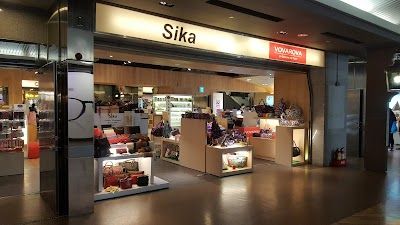
Eslite Taipei Station Store
A cultural haven blending books, art, and gourmet delights in Taiwan's bustling city.

MUJI Breeze Taipei Station Store
Explore minimalistic design and curated essentials at MUJI's serene Taipei Station oasis.

UNIQLO TAIPEI
Experience minimalist fashion and local culture at UNIQLO Taipei's innovative shopping haven.
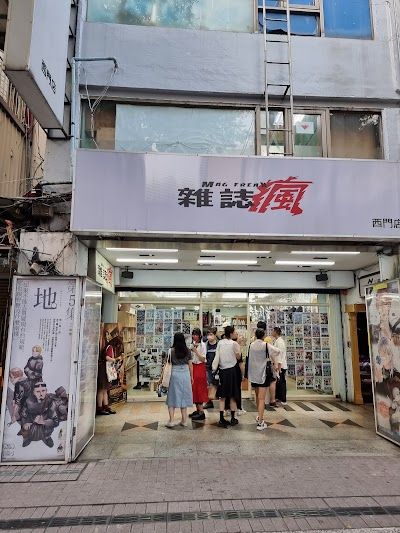
MagFreak Taipei
Discover unique finds and vibrant local culture at MagFreak Taipei's eclectic shopping haven.
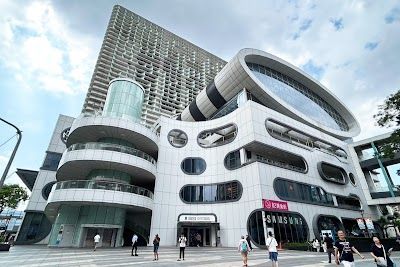
Syntrend
A tech lover's paradise, Syntrend showcases cutting-edge gadgets and trendy fashion in Taipei.
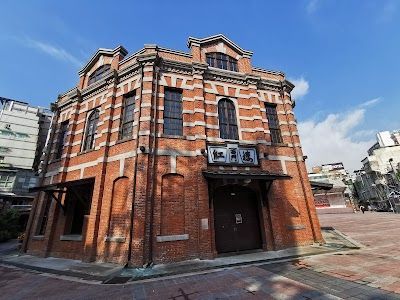
The Red House
Explore vibrant boutiques and artisanal shops in Taipei's historical Red House, a creative hub.