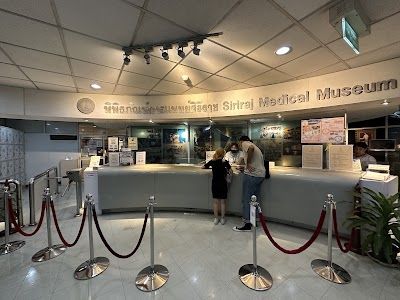
The Siriraj Medical Museum in Bangkok, also known as the Museum of Death, is a unique and intriguing destination that offers visitors an in-depth look into the world of Thai medical history and pathology. Established as part of Siriraj Hospital, Thailand's oldest medical school founded in 1888, the museum serves both an educational and historical purpose. It features a fascinating collection of preserved human organs, forensic evidence, and rare medical specimens that tell stories of disease, trauma, and anatomy. This makes it a compelling visit for those interested in medicine, history, and the macabre.
Visitors to the museum can expect to see a variety of exhibits, including the popular forensic medicine section, where you can find artifacts related to famous Thai criminal cases and detailed explanations of forensic techniques. Another section houses anatomical and pathological specimens showcasing conditions from congenital disorders to infectious diseases that have shaped Thai medical knowledge. The atmosphere is clinical yet respectful, designed to educate while acknowledging the solemnity of the subjects depicted. Although some displays can be quite graphic, they are curated with scientific precision and cultural sensitivity.
What truly makes the Siriraj Medical Museum stand out is its combination of history and science within a cultural framework. Many visitors appreciate the rare opportunity to explore aspects of life and death rarely seen outside professional medical settings. The museum is well-maintained and provides informative signage in English and Thai, making it accessible to international travelers. Despite its eerie reputation, the museum is beloved for its educational value and unique perspective on Thailand's medical evolution, often provoking thoughtful reflection on human biology and mortality.
Highlights
- Forensic Medicine Museum with exhibits on famous Thai criminal cases
- Anatomical and pathological specimens showcasing rare diseases and malformations
- Thai traditional medicine and medical instruments collection
Best Time to Visit
Weekday mornings between 9:00 AM and 11:00 AM are ideal to avoid crowds and ensure a quieter, more immersive experience.
Insider Tips
- 1Bring a flashlight or use your phone's light for better viewing of detailed specimens in dimly lit display cases.
- 2Wear comfortable shoes and be prepared for some walking, as the museum spans several exhibit halls within the hospital grounds.
- 3Photography is allowed in most areas, but avoid using flash to preserve delicate displays and respect sensitivity.
Frequently Asked Questions
The museum contains graphic images and preserved specimens that may be disturbing for young children. It's better suited for teenagers and adults with an interest in medicine or history.
The museum is located on the Siriraj Hospital campus along the Chao Phraya River. The easiest way is by taxi or Grab app. Alternatively, you can take the MRT to the Bang Khun Non station followed by a short taxi ride.
Guided tours are not routinely offered, but you can request a guide in advance through the museum's official contacts. Many travelers prefer self-guided visits using the detailed English signage and available brochures.
More Museums & Galleries

Museum of Contemporary Art (MOCA BANGKOK)
Explore innovative art and engaging exhibits that inspire creativity for the whole family.

National Museum Bangkok
Explore Thailand's rich history through stunning artifacts at Bangkok's National Museum.
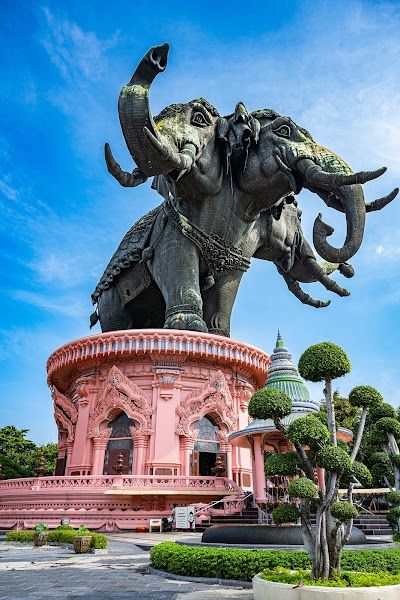
The Erawan Museum
Explore the stunning Erawan Museum, where art, mythology, and culture converge beneath a giant three-headed elephant.
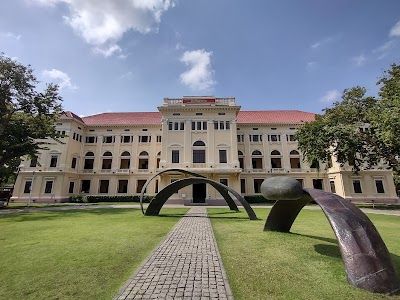
Museum Siam
Discover Thailand's rich culture and history through interactive exhibits at Museum Siam.

Jim Thompson House Museum
Explore the enchanting blend of Thai silk heritage and stunning traditional architecture.
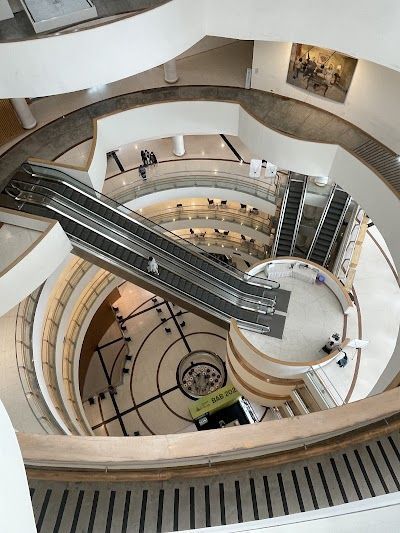
Bangkok Art & Culture Centre
Experience Bangkok's vibrant art scene at this modern cultural hub, showcasing contemporary creativity.