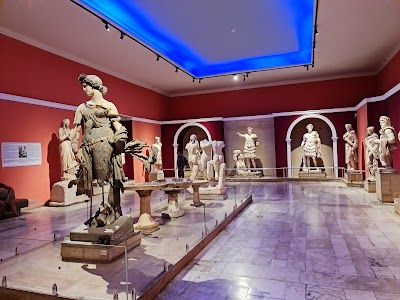
The Antalya Archaeology Museum, located in the heart of Antalya, Turkey, is one of the country's most impressive museums dedicated to the rich archaeological heritage of the region. Established in 1922, the museum houses an extensive collection of artifacts dating back to prehistoric times through the Roman, Byzantine, and Ottoman periods. Visitors can expect to explore beautifully preserved mosaics, statues, coins, and ancient pottery that tell the stories of civilizations that once thrived in the Mediterranean and Anatolian regions. The museum is especially prized for its large-scale exhibits and well-curated displays that provide both historical context and artistic appreciation.
Upon entering, guests are greeted by a serene atmosphere enhanced by lush garden areas displaying monumental stone statues and relics in an open-air setting, which complements the indoor galleries filled with detailed exhibitions. The museum's design allows visitors to move seamlessly between different chronological and thematic sections, from the prehistoric age to the Byzantine era. The exhibitions are accompanied by informative plaques and occasional multimedia presentations, making it accessible for both history buffs and casual travelers.
Visitors often note the museum's well-maintained collections and its role in preserving multiple layers of Antalya's ancient past. From the intricate Roman mosaics of the ancient cities like Perge and Aspendos, to artifacts uncovered from the ancient Lycian civilization, the museum provides a comprehensive glimpse into the cultural richness of the region. Additionally, the peaceful environment makes it a respite from the city's bustling tourism hotspots, allowing for a reflective and educational experience.
Why visitors love the Antalya Archaeology Museum is largely due to its depth and diversity of collections combined with the informative curatorial approach that brings each artifact's history to life. It serves as a must-visit destination for those interested in archaeology, history, and the art of ancient civilizations, offering a memorable journey through time that enriches the understanding of Turkey's significant past.
Highlights
- Extensive collection of Roman mosaics from sites such as Perge and Side
- Open-air garden featuring monumental Lycian sarcophagi and statues
- Artifacts from the Bronze Age to the Ottoman era showcasing Antalya's layered history
Best Time to Visit
The best time to visit is during the spring (April to June) and autumn (September to November) months when the weather is mild and pleasant, allowing you to comfortably explore both the indoor exhibits and outdoor garden areas without the intense summer heat.
Insider Tips
- 1Visit early in the morning or late afternoon to avoid crowds and enjoy a peaceful experience.
- 2Combine your visit with a walk around the nearby Karaalioglu Park for scenic views of the Mediterranean.
- 3Look for guided tours or audio guides available on-site to gain in-depth knowledge about the exhibits.
Frequently Asked Questions
Photography without flash is generally permitted inside the museum, but it's best to check for specific exhibit restrictions upon arrival.
Yes, the museum is equipped with ramps and accessible pathways to accommodate visitors with mobility challenges.
Currently, tickets can be purchased at the entrance; online purchasing options may be limited, so plan accordingly.
More Museums & Galleries
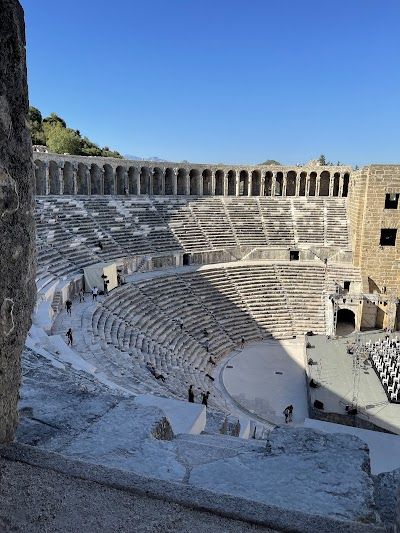
Aspendos Theatre
Ancient Aspendos Theatre: a stunningly preserved Roman gem showcasing incredible acoustics and history.
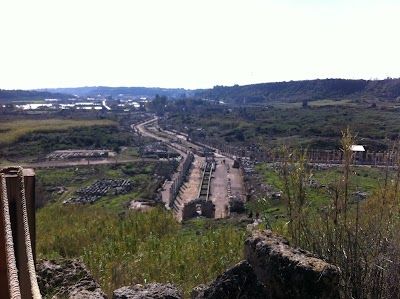
Perge Ancient City
Explore Perge Ancient City, where stunning ruins whisper tales of ancient civilizations.
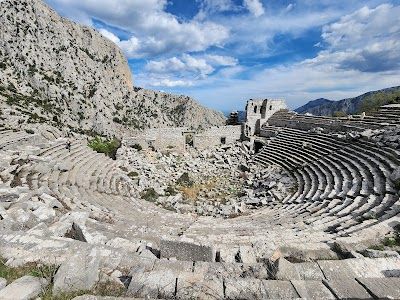
Termessos Ruins
Explore ancient Termessos Ruins, a majestic mountaintop site with breathtaking views and rich history.
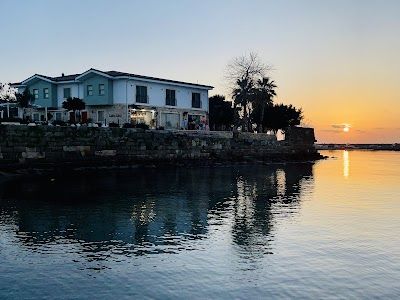
Side
Discover ancient treasures and stunning ruins at Side's captivating archaeological museum.
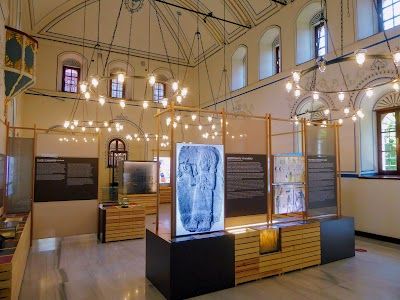
Suna & İnan Kıraç Kaleiçi Museum
Discover Antalya's rich history through captivating exhibits in this charming Kaleiçi gem.