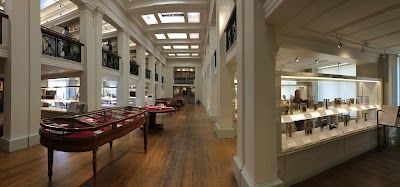
Surgeons' Hall Museums in Edinburgh stand as an exceptional testament to the rich history of medicine and surgery, uniquely housed within the majestic Surgeons' Hall, part of the Royal College of Surgeons of Edinburgh. Dating back to the early 19th century, the museums offer visitors a fascinating journey through centuries of medical advancement, anatomical discovery, and surgical innovation. The collection is one of the oldest and most prestigious of its kind, featuring a remarkable range of pathological specimens, surgical instruments, and historic medical artifacts that tell the story of how modern medicine has evolved.
Visitors to the Surgeons' Hall Museums can expect a blend of educational and emotive experiences, from the dramatic displays of bones, preserved organs, and skeletons to engaging exhibits that showcase the challenges and triumphs of pioneering surgeons. The museums are thoughtfully curated to provide context and stories behind the medical specimens, making even the most complex topics accessible and compelling. The atmosphere is both reverent and stimulating, appealing to those interested in science, history, and the human body.
Why do visitors love Surgeons' Hall Museums? The answer lies in its ability to humanize medical history by combining scientific rigour with personal stories of patients and surgeons, evoking both awe and empathy. It is particularly popular with medical professionals, students, historians, and curious travelers eager to understand the intricate relationship between medicine and society. The friendly and knowledgeable staff further enrich the experience, offering guided tours and detailed explanations that heighten appreciation for the field's challenging past and inspiring future.
Highlights
- Extensive collection of preserved pathological specimens showcasing a wide range of diseases and conditions
- Historic surgical instruments and operating theatre exhibits illustrating the evolution of surgical practices
- The interactive anatomy displays providing educational insights into the human body
Best Time to Visit
The best time to visit is during spring and early autumn when Edinburgh's weather is milder and the museum is less crowded than in peak summer months, allowing for a more relaxed experience.
Insider Tips
- 1Book tickets online in advance to avoid queues, especially during weekends and holidays.
- 2Allow extra time to explore the nearby Royal College of Surgeons building and its historic architecture.
- 3Take advantage of the optional guided tours offered by expert staff for a deeper understanding of exhibits.
Frequently Asked Questions
The museum is suitable for older children and teenagers with an interest in science, but some displays can be graphic. Parents should assess their child's sensitivity to medical specimens before visiting.
Photography without flash is generally permitted for personal use, but video recording and flash photography are restricted to protect the exhibits. Check with staff upon arrival for any specific exhibit restrictions.
Yes, the museum is accessible with ramps and elevators available. However, some older areas may have limited accessibility. Visitors with specific mobility needs are encouraged to contact the museum in advance for detailed assistance.
More Hidden Gems
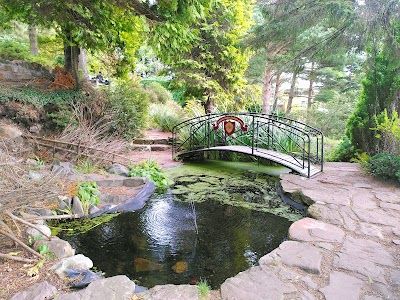
Dr Neil's Garden
A serene oasis blending vibrant flora with historic charm, perfect for peaceful reflection.

Sheep Heid Inn Edinburgh
Discover Edinburgh's oldest pub, where history and cozy charm meet delightful local brews.

The Kitchin
Savor exquisite seasonal dishes at this charming waterfront restaurant, a true culinary treasure.
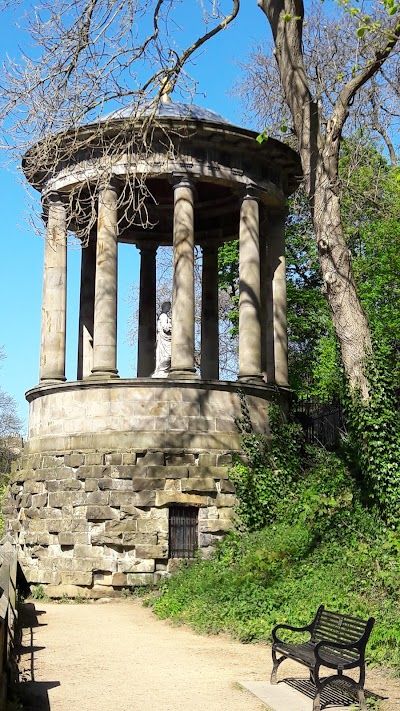
St Bernard's Well
A serene, historic spring with stunning views and enchanting botanical surroundings.

Dunbars Close
A serene, secret garden in Edinburgh, showcasing stunning 17th-century style and tranquil charm.

Panda & Sons
Step into Panda & Sons, a whimsical speakeasy where cocktails come alive in a playful den.