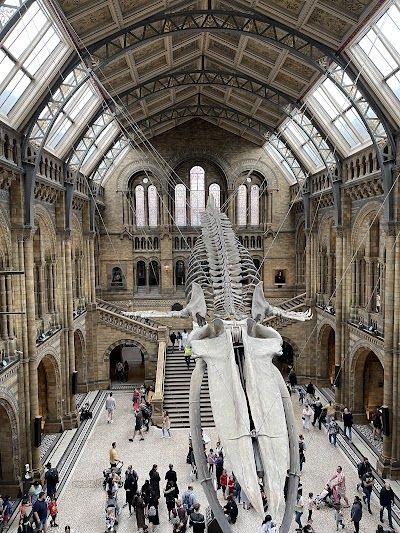
The Natural History Museum in London stands as a premier destination for families and curiosity seekers eager to explore the wonders of the natural world. Established in 1881 and housed within an architectural marvel designed by Alfred Waterhouse, the museum combines Victorian grandeur with cutting-edge exhibitions. Upon arrival, visitors are greeted by the iconic Romanesque façade and the enormous Hintze Hall, where the majestic blue whale skeleton named "Hope" arches overhead as a symbol of conservation. The museum's vast collections span millions of specimens including fossils, minerals, plants, and animals, offering an immersive journey through Earth's history.
Inside, the museum's atmosphere is both educational and enchanting, making it ideal for visitors of all ages, especially families with children. The dinosaur gallery steals the show with life-sized models, interactive displays, and even a roaring T-Rex animatronic that captivates young and old alike. Additional galleries explore human biology, earth sciences, and biodiversity, enhanced by hands-on activities and engaging storytelling. Beyond static displays, temporary exhibitions and live science talks keep the experience fresh and dynamic.
Visitors love the museum not only for its spectacular exhibits but also for its commitment to accessibility and family-friendly facilities. The spacious layout, numerous cafés, picnic areas, and on-site shops offer comfort and convenience to keep everyone engaged and refreshed. Educational workshops and discovery zones encourage children to participate actively, fostering a lifelong interest in science and nature. Whether you're fascinated by prehistoric giants or the dazzling complexity of the natural world today, the Natural History Museum in London promises an inspiring and memorable adventure.
Highlights
- Hintze Hall's blue whale skeleton 'Hope' - an awe-inspiring centerpiece
- The Dinosaur Gallery featuring animatronic T-Rex and interactive exhibits
- The Darwin Centre's Cocoon - a behind-the-scenes look at the museum's scientific work
Best Time to Visit
Late weekdays during term time, especially in the mornings when it is less crowded and more enjoyable for families. Avoid weekends and school holidays if possible, as the museum can become very busy.
Insider Tips
- 1Arrive early to secure entry to the popular dinosaur gallery before it gets crowded.
- 2Download the museum's app for interactive maps and family-friendly activity guides.
- 3Book tickets in advance for special exhibitions to avoid long queues.
Frequently Asked Questions
Yes, general admission to the Natural History Museum is free. However, some temporary or special exhibitions might have an entrance fee, so it's best to check their website before your visit.
Absolutely. The museum is fully accessible with ramps, lifts, and designated areas for strollers and wheelchairs to ensure a comfortable visit for all guests.
You can bring your own food, but there are also several cafés and picnic areas within the museum offering a variety of meals and snacks suitable for families.
More Museums & Galleries
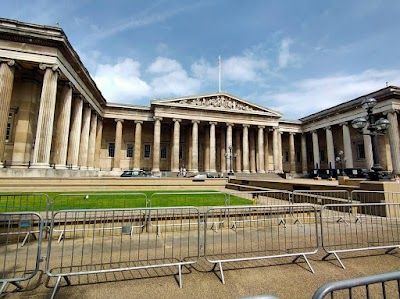
The British Museum
Discover millennia of history through breathtaking artifacts at London's iconic British Museum.
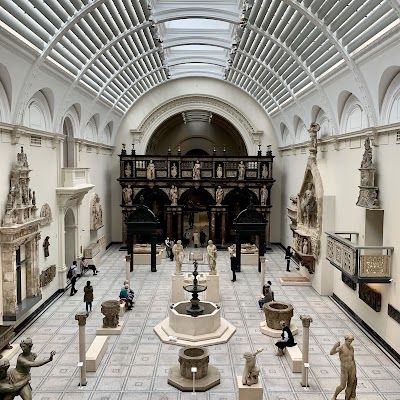
Victoria and Albert Museum
Explore timeless treasures and exquisite artistry at London's iconic Victoria and Albert Museum.
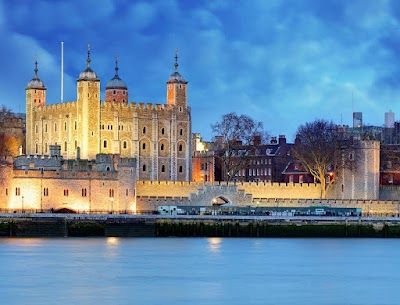
Tower of London
A historic fortress, melting pot of British royalty, intrigue, and the dazzling Crown Jewels.
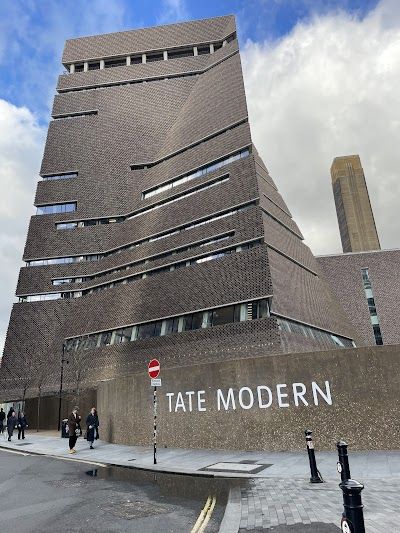
Tate Modern
Immerse in contemporary art within a stunning former power station on the Thames.

Imperial War Museum
Experience powerful narratives of conflict and resilience at London's poignant Imperial War Museum.
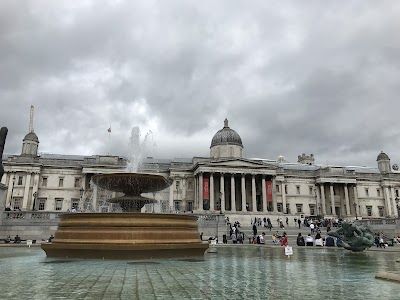
The National Gallery
Home to masterpieces by Van Gogh and Da Vinci, the National Gallery enchants art lovers.