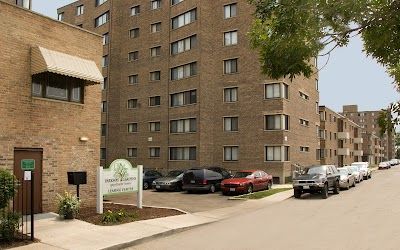
Parkway Gardens Apartments, located in the historic Bronzeville neighborhood of Chicago, is a significant cultural and architectural landmark that offers a vibrant glimpse into urban life and African American heritage. Developed in the late 1940s, Parkway Gardens was one of the first integrated housing developments in the city, designed by renowned African American architect Henry K. Holsman. Its mid-century modern style, combined with spacious green courtyards, reflects both progressive urban planning and a sense of community that remains today. Visitors to Parkway Gardens can appreciate the beautifully preserved brick facades and the thoughtful layout that encourages neighborly interaction and communal living.
Besides its architectural significance, Parkway Gardens is famous for its strong connection to Chicago's music and arts scene. The area is often adorned with colorful murals and street art celebrating the cultural richness of Bronzeville, often referred to as the 'Black Metropolis'. This artistic vibrancy makes Parkway Gardens a compelling spot for photographers and Instagram enthusiasts who want to capture authentic urban textures infused with history.
When visiting, expect a peaceful yet dynamic atmosphere where the legacy of past residents, including prominent musicians, activists, and local heroes, is palpable. The surrounding Bronzeville neighborhood offers visitors an immersive experience with its jazz clubs, historical landmarks, and soul food eateries. Parkway Gardens is a testament to resilience and creativity in urban design, making it a must-see site for those interested in architecture, culture, and community stories that echo the spirit of Chicago's South Side.
Visitors love Parkway Gardens not just for its picturesque appearance but also for its deeper stories of integration, artistry, and neighborhood pride. It's a unique Instagram spot where every corner tells a story-perfect for travelers seeking to connect with Chicago's rich African American history through a visually engaging and authentic location.
Highlights
- Mid-century modern architectural design by Henry K. Holsman
- Colorful murals and street art reflecting Bronzeville's cultural heritage
- Spacious communal courtyards that embody community living traditions
Best Time to Visit
Spring through early fall (April to October) is the best time to visit to enjoy pleasant weather for walking and exploring the outdoor murals and courtyards.
Insider Tips
- 1Visit during daylight hours to fully appreciate the architecture and murals.
- 2Combine your visit with nearby Bronzeville cultural spots like the DuSable Museum and historic jazz venues.
- 3Respect resident privacy by not entering private apartments or courtyards without permission.
Frequently Asked Questions
Yes, Parkway Gardens is located in a revitalizing community. It's best to visit during the day, stay on main streets, and remain aware of your surroundings, as you would in any urban area.
Visitors can appreciate the exterior architecture and public courtyards but are advised not to enter private apartments or private areas without permission.
While specific tours of Parkway Gardens are rare, several Bronzeville walking tours include this site along with other historical and cultural landmarks.
More Instagram-Worthy Spots
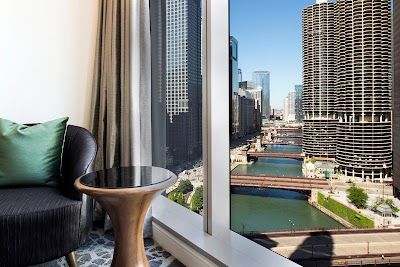
LondonHouse Chicago, Curio Collection by Hilton
Stunning skyline views and chic elegance define LondonHouse, a perfect Instagram-worthy escape.

Navy Pier
A vibrant lakeside destination, Navy Pier offers stunning views, thrilling rides, and lively entertainment.
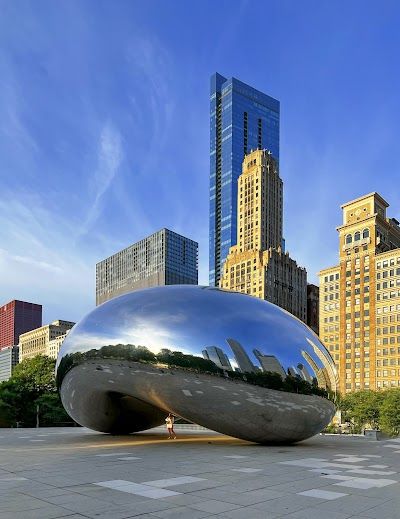
Cloud Gate
Reflecting the skyline, Cloud Gate is a captivating, photo-perfect sculpture of modern artistry.
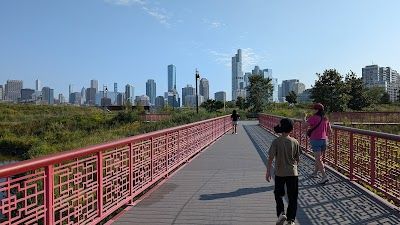
Ping Tom Memorial Park
Discover vibrant landscapes and stunning skyline views at Chicago's serene urban oasis.
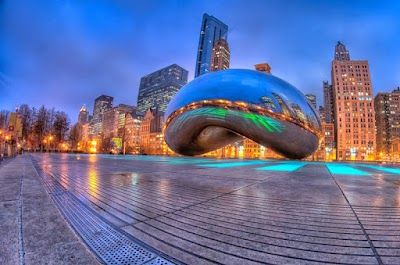
Millennium Park
Explore vibrant art, stunning architecture, and lush green spaces in Chicago's iconic Millennium Park.
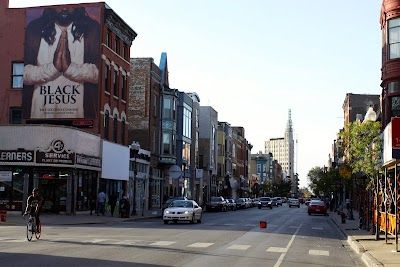
Wicker Park
Vibrant arts, eclectic shops, and lively eateries make Wicker Park a cultural gem.