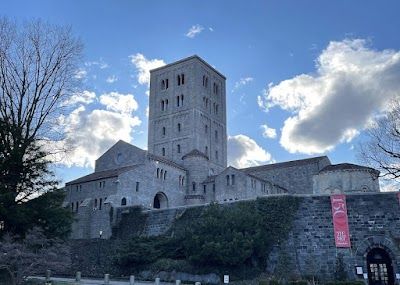
The Met Cloisters, located in Upper Manhattan's Fort Tryon Park, is a unique branch of the Metropolitan Museum of Art devoted exclusively to the art, architecture, and gardens of medieval Europe. Constructed using authentic architectural elements from European abbeys and monasteries, the museum offers visitors an immersive experience, transporting them back to a serene and contemplative era. The building itself is a masterpiece, composed of stone cloisters, chapels, and galleries richly decorated with medieval stained glass, tapestries, illuminated manuscripts, and religious sculptures. This setting encourages quiet reflection away from the bustle of New York City, making it a peaceful haven for art lovers and history enthusiasts alike.
Visitors can expect an enchanting atmosphere where the combination of medieval art and beautifully maintained gardens creates a harmonious landscape that perfectly evokes the Middle Ages. The four cloisters-the Cuxa, Saint-Guilhem, Bonnefont, and Trie-each exhibit different architectural styles and regional influences from medieval France. The gardens surrounding the museum are designed to reflect the plants and herbs known during the medieval period, adding to the authenticity of the visitor experience. Additionally, the museum hosts seasonal events and special exhibitions that delve deeper into medieval themes, attracting a diverse crowd of scholars, locals, and tourists.
Why do visitors love The Met Cloisters? Beyond its impressive collection, it offers a profoundly calming experience unlike any other museum in New York. The tranquil environment, combined with the extraordinary preservation of medieval art and architecture, makes it feel like stepping into a different time and place. It is an essential destination for anyone interested in European history, art, or simply seeking a reflective retreat within the urban landscape. The panoramic views over the Hudson River from the museum's open terraces also add an unforgettable dimension to the visit, blending art, history, and nature seamlessly.
Highlights
- The Unicorn Tapestries - a series of intricately woven and vividly colored medieval tapestries
- The reconstructed Romanesque and Gothic cloisters relocated from European abbeys
- The peaceful medieval gardens featuring authentic plants and herbs used during the Middle Ages
Best Time to Visit
Spring and early fall are the best times to visit The Met Cloisters because the medieval gardens are in full bloom, and the weather is pleasant for exploring Fort Tryon Park and enjoying the scenic views of the Hudson River.
Insider Tips
- 1Arrive early in the morning to avoid crowds and enjoy the peaceful atmosphere before it gets busy.
- 2Pick up a map at the entrance or download the Met Cloisters app for self-guided tours detailing art pieces and architectural history.
- 3Don't miss the outdoor terraces - they offer stunning views of the Hudson River and surrounding parkland, providing excellent photo opportunities.
Frequently Asked Questions
Yes, non-flash photography is permitted throughout the museum and gardens, but flash, tripods, and selfie sticks are not allowed to protect the artwork.
The location is accessible via the A train on the New York City Subway to the 190th Street station. From there, it's a short walk downhill through Fort Tryon Park to the museum entrance.
Yes, there is a café on-site offering light meals, beverages, and pastries. Visitors are also permitted to bring their own food and enjoy a picnic in Fort Tryon Park outside the museum.
More Top Attractions
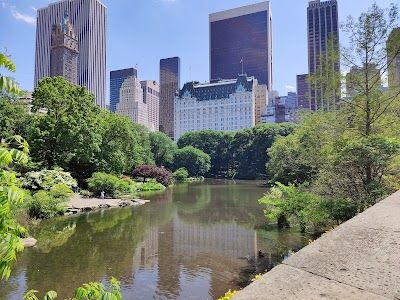
Central Park
A sprawling urban oasis, Central Park offers lush landscapes, iconic landmarks, and serene escape.
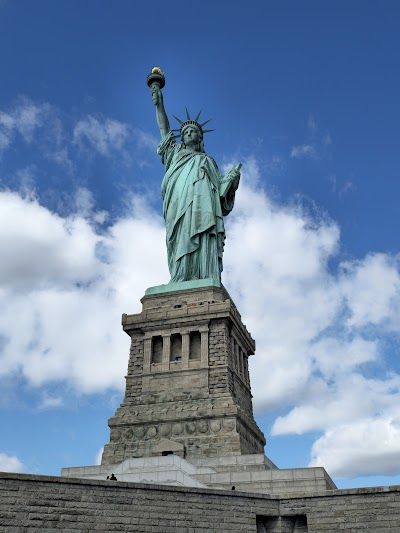
Statue of Liberty
A towering symbol of freedom, welcoming visitors with its iconic presence and rich history.
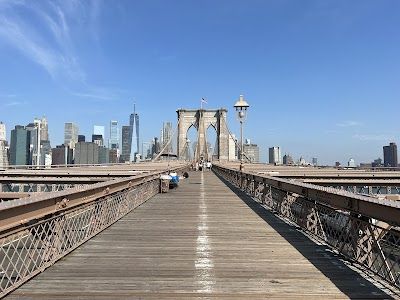
Brooklyn Bridge
Iconic skyline views and timeless charm-capture unforgettable moments on the Brooklyn Bridge.

Empire State Building
Experience breathtaking skyline views from the iconic pinnacle of New York's architectural marvel.

9/11 Memorial & Museum
A poignant tribute to resilience, honoring lives lost on 9/11 through powerful exhibits.
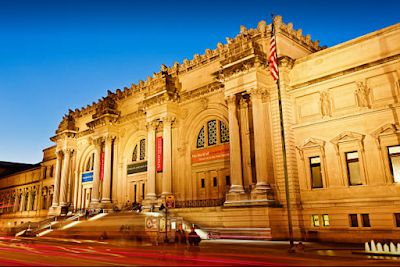
The Metropolitan Museum of Art
A treasure trove of art across cultures, time, and creativity in an iconic setting.