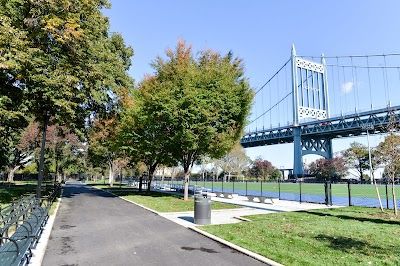
Astoria Park, nestled along the East River in Queens, New York, is a cherished hidden gem known for its scenic beauty and rich history. Established in the early 20th century, the park was designed to provide a peaceful urban retreat away from the hustle and bustle of the city. It features miles of winding walking paths, expansive green lawns, and one of the city's oldest and largest public pools, making it a favored spot for both locals and visitors. The park is perched on elevated bluffs, providing breathtaking panoramic views of the Manhattan skyline, the Hell Gate Bridge, and the Roosevelt Island Tramway, creating a striking contrast between natural beauty and urban architecture.
Visitors to Astoria Park can expect a vibrant and tranquil atmosphere where nature and recreation blend seamlessly. The park boasts numerous amenities including sports facilities such as tennis courts, playgrounds for children, and grassy areas perfect for picnicking, jogging, or simply relaxing. The riverside promenade is particularly popular for leisurely strolls, bird watching, and sunset viewing. Throughout the year, the park hosts community events like outdoor yoga sessions and summer concerts, enhancing its appeal as a cultural and recreational hub.
What sets Astoria Park apart is its accessibility and the diversity of experiences it offers. Whether you're a history enthusiast intrigued by its early 1900s origins, a photography lover drawn to the stunning skyline vistas, or a family seeking a safe and scenic playground, the park caters to a wide array of interests. Visitors appreciate the park's serene atmosphere amidst the urban environment and often remark on how the views provide a unique perspective of New York City that is both refreshing and inspiring. Its blend of historic charm and natural allure makes Astoria Park a must-visit locale for those looking to uncover New York's less touristy, more authentic outdoor spaces.
Highlights
- Spectacular panoramic views of the Manhattan skyline and Hell Gate Bridge
- Historic Astoria Park Pool, one of the largest public pools in NYC
- Riverside walking paths perfect for jogging, biking, and sunset watching
Best Time to Visit
Late spring through early fall is the best time to visit Astoria Park for pleasant weather, lush greenery, and to enjoy outdoor amenities like the pool and seasonal events. Summer evenings offer stunning sunsets over the Manhattan skyline.
Insider Tips
- 1Arrive by subway (N or W lines to Astoria Boulevard) or by ferry to enjoy an enjoyable and scenic commute.
- 2Bring a picnic to enjoy on the grassy riverfront lawns, especially during sunset for a memorable experience.
- 3Check the NYC Parks website for seasonal events such as outdoor fitness classes or concerts happening in the park.
Frequently Asked Questions
Yes, there is limited street parking available near the park, but it can fill up quickly, especially on weekends. Public transit or ferry access is often more convenient.
Yes, pets are allowed but must be kept on a leash at all times. Please be sure to clean up after your pet to keep the park clean for all visitors.
The Astoria Park Pool is typically open during the summer months from late June through early September. Entrance to the pool area requires a paid admission from the NYC Parks Department, but entrance to the park grounds and other amenities is free.
More Hidden Gems

The Met Cloisters
A serene haven of medieval art and gardens, transporting visitors to Europe's past.

Strand Book Store
A bibliophile's paradise, Strand Book Store offers countless volumes in an enchanting atmosphere.

Museum of the City of New York
Explore New York's vibrant history through captivating exhibits and stunning cityscapes.
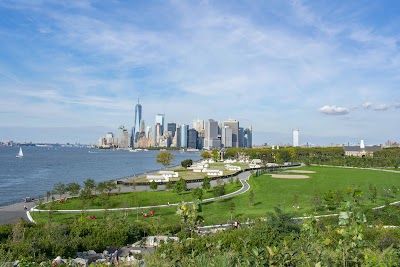
Governors Island
Escape the city bustle on Governors Island's scenic shores, art installations, and lush parks.

Bohemian Hall & Beer Garden
Rustic charm meets vibrant atmosphere in Astoria's beloved outdoor beer garden.

Tenement Museum
Explore immigrant stories and vibrant history at NYC's Tenement Museum-where the past lives on.