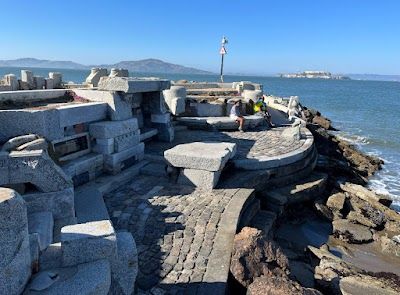
The Wave Organ is an extraordinary acoustic sculpture located on a jetty in the Marina District of San Francisco. Created in 1986 by the Exploratorium's experimental artist Peter Richards and sculptor Charles Greer, it was built using reclaimed materials from a demolished cemetery, including stones and marble, with a series of pipes that interact with the tidal movements of the San Francisco Bay. The result is a unique installation that produces natural, haunting sounds created by the ebb and flow of the waves through the pipes, making it a fascinating blend of art, engineering, and nature. Unlike traditional instruments, the Wave Organ's music is ever-changing and depends entirely on the tidal conditions and wave activity, offering visitors a novel auditory experience with every visit.
Visitors to the Wave Organ can expect to find a peaceful sanctuary away from the city's hustle, situated on the southeastern tip of the Marina district's Yacht harbor jetty. The atmosphere is serene and contemplative, enhanced by the gentle sounds of water lapping against the shore and the subtle melodies emitted by the installation. The setting affords superb views of the Golden Gate Bridge, Alcatraz Island, and the Marin headlands, making it a perfect spot for both sound exploration and scenic reflection. The installation includes a series of stone benches where visitors can sit and listen, making it an inviting place for relaxation or quiet contemplation.
What makes the Wave Organ particularly beloved among locals and travelers alike is its mysterious and interactive nature. Each visitor's experience with the organ is unique since the soundscape varies with weather, tides, and time of day. Its classification as a "hidden gem" stems from its tucked-away location and the fact that it remains relatively undiscovered compared to other major landmarks in San Francisco. The experience appeals not only to art and science enthusiasts but also to those looking for an unusual and meditative outdoor experience that connects them directly with the natural rhythms of the bay.
Highlights
- Unique acoustic sculpture that plays sounds with ocean tides
- Built from reclaimed cemetery stones and marble pipes
- Scenic views of Golden Gate Bridge, Alcatraz, and Marin Headlands
Best Time to Visit
Visit during high tide or when waves are active, typically mid to late afternoon, to hear the best sounds. Calm weather enhances sound clarity and the peaceful atmosphere.
Insider Tips
- 1Check tide schedules in advance to visit during high or rising tide for optimal acoustic effects.
- 2Wear comfortable shoes as the pathway is uneven with gravel and stones.
- 3Bring a jacket as it can be windy and chilly near the water, even in summer.
Frequently Asked Questions
The Wave Organ is located on a rocky jetty with uneven surfaces and gravel paths, which makes wheelchair access challenging. Visitors with mobility concerns should consider this before visiting.
There are no official guided tours specifically for the Wave Organ, but some general San Francisco walking tours of the Marina district may include a stop. Most visitors explore independently.
The Wave Organ is best reached by car or bike. Paid street parking is available nearby. Public transit options are limited; the closest Muni bus routes serve the Marina district but require a short walk.
More Hidden Gems
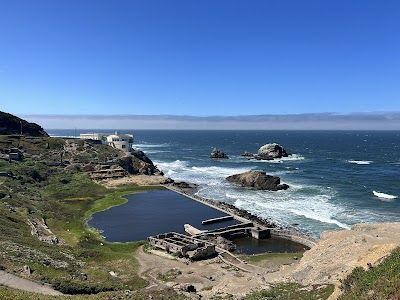
Sutro Baths
Explore the haunting ruins and breathtaking coastal views of Sutro Baths, a historic marvel.
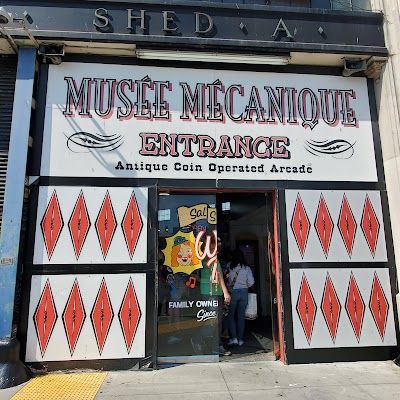
Musée Mécanique
Step into nostalgia at Musée Mécanique, where vintage arcade games and music boxes delight all ages.
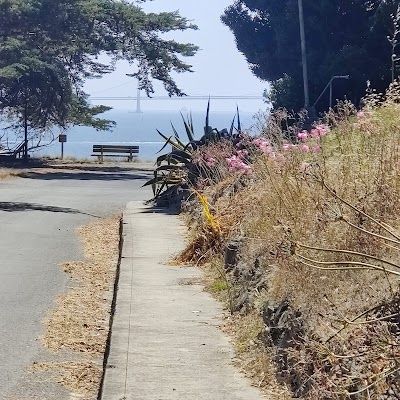
Angel Island
Discover breathtaking views and rich history on San Francisco's serene Angel Island escape.
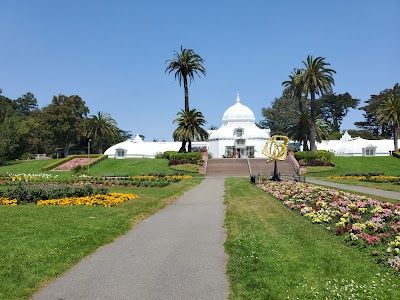
Golden Gate Park
A serene urban oasis, Golden Gate Park boasts vibrant gardens, museums, and iconic landscapes.
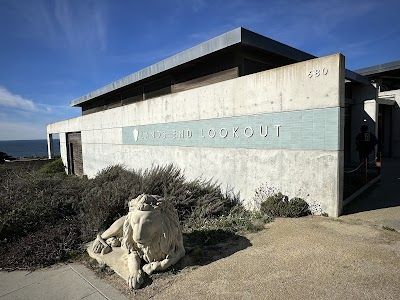
Lands End Lookout
Breathtaking ocean views and rugged cliffs, a perfect spot for nature lovers in San Francisco.

Crissy Field
Breathtaking views, historic charm, and serene landscapes make Crissy Field a San Francisco treasure.