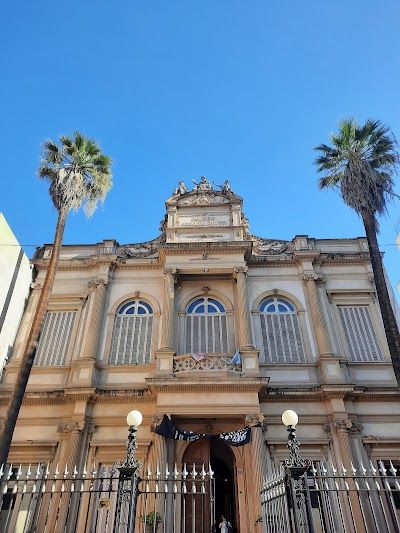
The Juan B. Ambrosetti Museum of Ethnography is a fascinating cultural institution nestled within Buenos Aires, dedicated to preserving and showcasing the rich indigenous and folk heritage of Argentina and other Latin American cultures. Established in honor of the Argentine anthropologist and archaeologist Juan Bautista Ambrosetti, the museum houses an extensive collection of artifacts that trace the diverse ethnic origins, customs, and traditions of native communities. Visitors can expect to journey through thoughtfully curated exhibits featuring textiles, pottery, ceremonial objects, and archaeological finds that tell the story of Argentina's multifaceted cultural identity.
Situated in a tranquil setting in the capital, the museum offers an immersive atmosphere where history comes alive through its detailed displays and storytelling. The interior is designed to engage visitors with authentic cultural narratives supported by engaging informational panels, photographs, and multimedia presentations. Whether you are an anthropology enthusiast or a curious traveler, the Ambrosetti Museum provides a unique window into the indigenous cultures that have shaped Argentina's past and continue to influence its present.
Visitors love the museum not only for its informative exhibits but also for the intimate and less touristy environment, allowing for a more personal and reflective experience. The museum regularly hosts temporary exhibitions, workshops, and guided tours, enhancing the educational value and offering different perspectives throughout the year. Its commitment to cultural preservation and education makes it a hidden gem for those willing to explore beyond the typical Buenos Aires attractions.
Highlights
- Extensive collection of indigenous artifacts including textiles, ceramics, and tools
- Insightful exhibitions on the customs and traditions of Argentine native peoples
- Temporary exhibitions and cultural workshops providing dynamic learning experiences
Best Time to Visit
The best time to visit is during the Argentine spring and fall (September to November and March to May) when the weather is mild and pleasant, making it comfortable to explore cultural sites without the summer heat or crowds. Weekdays, especially in the morning, tend to be less crowded, allowing for a more intimate visit.
Insider Tips
- 1Check the museum's schedule for special temporary exhibitions and workshops before your visit.
- 2Consider hiring a guided tour to gain deeper insights into the artifacts and their cultural significance.
- 3Combine your visit with a nearby park or cultural site in Buenos Aires for a full day of cultural exploration.
Frequently Asked Questions
Photography is generally allowed without flash, but it's best to confirm at the entrance or with the staff as some exhibits may have restrictions to preserve delicate artifacts.
Guided tours are available, though primarily in Spanish. English tours may be arranged in advance by contacting the museum directly, so it's advisable to inquire ahead of your visit.
The museum features ramps and accessible pathways, but certain historic sections might have limited access. Visitors with mobility concerns should contact the museum beforehand to ensure a smooth visit.
More Museums & Galleries
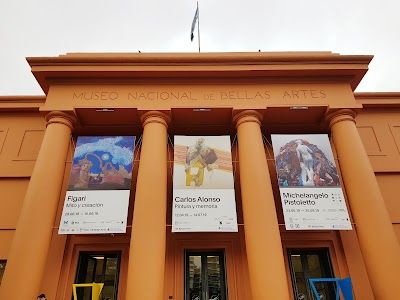
Museo Nacional de Bellas Artes
Immerse yourself in Argentina's rich artistic heritage at this stunning masterpieces museum.
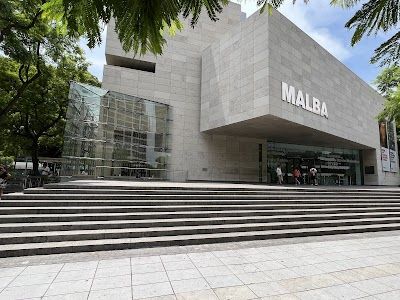
Museo de Arte Latinoamericano de Buenos Aires
Discover Latin American creativity and culture at this vibrant art haven in Buenos Aires.
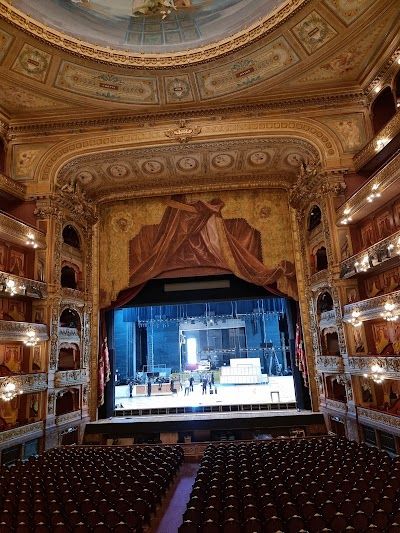
Teatro Colón
A majestic opera house renowned for its stunning acoustics and architectural beauty.
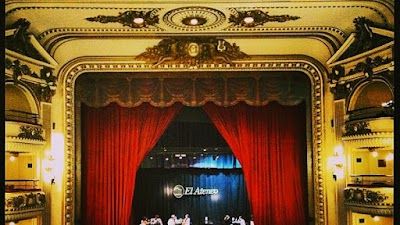
El Ateneo Grand Splendid
Stunning former theater turned bookstore, where literature meets breathtaking architecture in Buenos Aires.
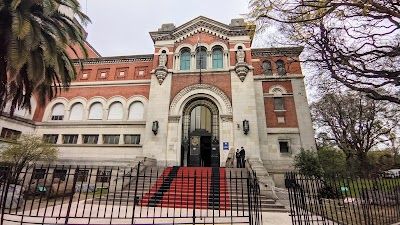
Bernardino Rivadavia Museum of Natural Science
Explore Argentina's rich biodiversity through fascinating exhibits and stunning fossil displays.
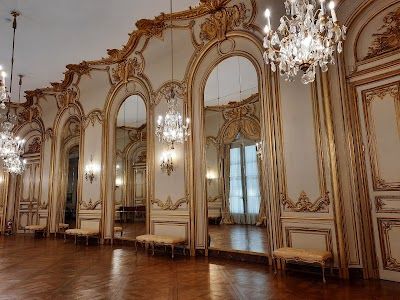
Museo Nacional de Arte Decorativo
Explore exquisite art and opulent decor in Buenos Aires' unique decorative arts museum.