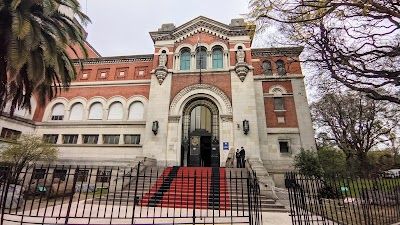
The Bernardino Rivadavia Museum of Natural Science, located in the vibrant city of Buenos Aires, Argentina, stands as the country's premier natural science museum. Founded in 1812, it has a storied history as one of the oldest scientific institutions in Latin America. The museum's mission centers around preserving and showcasing Argentina's diverse natural heritage, featuring extensive collections that cover paleontology, zoology, anthropology, and geology. Visitors embark on a fascinating journey through time, exploring everything from prehistoric fossils to present-day ecosystems.
Inside, expect immersive exhibits that highlight Argentina's rich biodiversity and geological history. The fossil halls boast impressive displays, including large dinosaur skeletons and ancient mammal remains, offering an unforgettable glimpse into the prehistoric world. In addition to fossils, visitors can admire detailed taxidermy specimens, minerals, and intricate dioramas depicting native wildlife in their natural habitats. The museum balances scientific rigor with engaging storytelling, making it highly accessible for both scholars and families alike.
The atmosphere is educational yet welcoming, with well-organized galleries that encourage curiosity and discovery. Interactive displays and well-written informational panels provide a deep understanding of scientific concepts in an approachable way. Visitors love the museum not only for its rich content but also for its role in promoting awareness about conservation and Argentina's unique environmental legacy. It's a perfect destination for anyone interested in natural history, science, and Argentina's ecological treasures.
Highlights
- Extensive dinosaur fossil collection including a nearly complete sauropod skeleton
- Diverse exhibits on Argentine biodiversity featuring native mammals and birds
- Interactive and educational dioramas displaying ecosystems from Patagonia to the Pampas
Best Time to Visit
The best time to visit is during weekdays in the morning when the museum is less crowded, allowing a more peaceful experience to explore the exhibits thoroughly. Visiting in spring (September to November) or fall (March to May) is ideal for pleasant weather if you plan to explore nearby parks or neighborhoods after the visit.
Insider Tips
- 1Arrive early to avoid peak school group visits that usually occur in the afternoons.
- 2Download the museum's app or pick up a map at the entrance to navigate the large galleries effectively.
- 3Check the museum's website for special temporary exhibits or guided tours, which add valuable context to the displays.
Frequently Asked Questions
Yes, photography is generally allowed for personal use, but the use of flash and tripods is prohibited to protect the exhibits.
Yes, the museum is equipped with ramps and elevators to ensure accessibility, and wheelchairs are available upon request at the entrance.
The museum includes a small café where visitors can purchase snacks and drinks, as well as a gift shop offering books, educational materials, and souvenirs related to natural science.
More Museums & Galleries
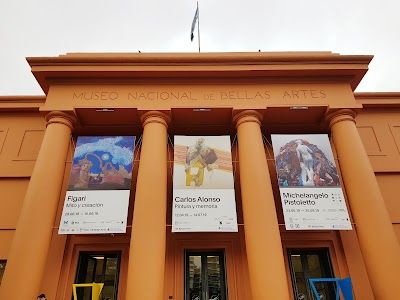
Museo Nacional de Bellas Artes
Immerse yourself in Argentina's rich artistic heritage at this stunning masterpieces museum.

Museo de Arte Latinoamericano de Buenos Aires
Discover Latin American creativity and culture at this vibrant art haven in Buenos Aires.
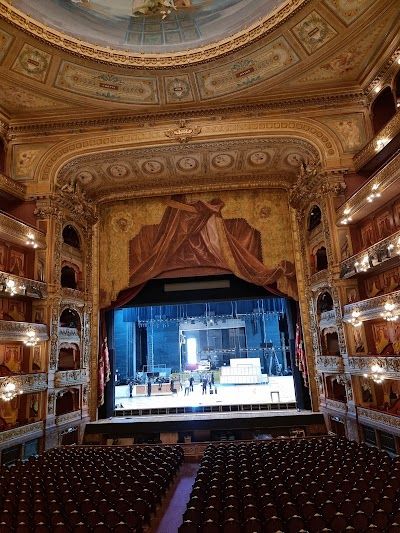
Teatro Colón
A majestic opera house renowned for its stunning acoustics and architectural beauty.
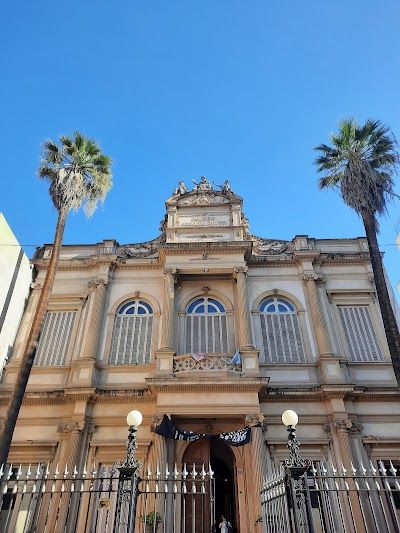
Juan B. Ambrosetti Museum of Ethnography
Explore Argentina's rich cultural tapestry through diverse artifacts at this hidden gem.
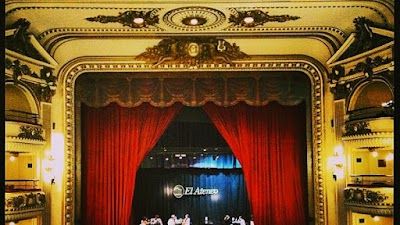
El Ateneo Grand Splendid
Stunning former theater turned bookstore, where literature meets breathtaking architecture in Buenos Aires.
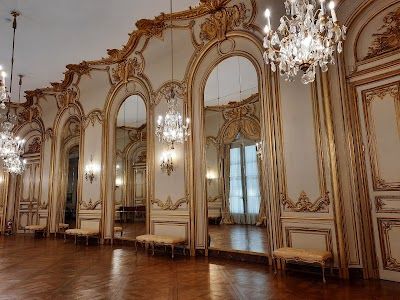
Museo Nacional de Arte Decorativo
Explore exquisite art and opulent decor in Buenos Aires' unique decorative arts museum.