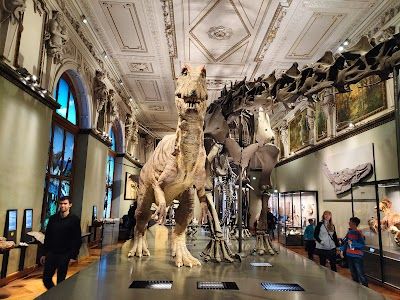
The Museum of Natural History Vienna, located in the heart of Vienna's historic center, is one of the most celebrated natural history museums in Europe. Established in 1889, this grand institution was built to house the extensive collections of the Habsburg monarchs, reflecting their passion for science and discovery. The museum's stunning Neo-Renaissance architecture and its elaborate interiors provide a majestic backdrop that complements its vast holdings, making it not only a place of learning but also an architectural treasure. Visitors step into a world where the natural history of the Earth is brought vividly to life through meticulously curated exhibits and fascinating displays.
Inside, guests can expect an immersive experience that spans the history of the planet from the formation of the Earth to the diversity of life seen today. Highlights include enormous dinosaur skeletons, glittering mineral collections, and detailed dioramas illustrating ecosystems from around the globe. The atmosphere is both educational and awe-inspiring, enhanced by interactive stations and modern multimedia presentations that engage visitors of all ages. The museum's layout encourages exploration, with each hall focusing on a different aspect of natural science, from meteorites and precious gems to human evolution.
Visitors love the Museum of Natural History Vienna for its ability to blend scientific rigor with accessible storytelling. It appeals not only to scholars but also to families and casual travelers who enjoy hands-on exhibits and expert-guided tours. Seasonal temporary exhibitions often highlight specific themes, ensuring that even repeat visitors find something new and exciting. The museum also offers workshops, lectures, and events that deepen the understanding of natural history subjects. Overall, it remains a premier destination for those seeking to connect with the natural world and appreciate the history and future of our planet.
Highlights
- The dinosaur exhibit featuring a giant T-Rex skeleton
- The Meteorite Collection showcasing rare space rocks from around the world
- The Imperial Jewelry Collection displaying exquisite gems and minerals
Best Time to Visit
The best time to visit is during the shoulder seasons of spring (April to June) and autumn (September to October) when the museum is less crowded and the weather is pleasant for exploring nearby attractions. Weekdays, especially mornings, are ideal for a quieter experience.
Insider Tips
- 1Purchase tickets online in advance to skip the queue, especially during weekends and holidays.
- 2Allow extra time to visit the special temporary exhibitions as they often include unique and rare collections.
- 3Use the audio guide available in multiple languages to enhance your understanding of exhibits.
Frequently Asked Questions
Non-flash photography for personal use is generally allowed throughout the museum. However, flash photography and tripods are not permitted to protect the exhibits.
Yes, the museum is wheelchair accessible, with elevators and ramps available. Accessibility information and assistance can be requested at the information desk.
Guided tours are offered regularly, both as group sessions and private tours. It is advisable to book these in advance, especially during peak seasons.
More Museums & Galleries
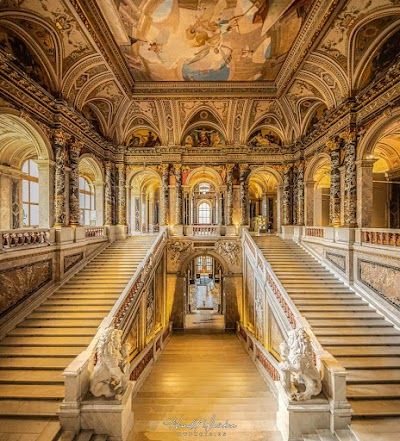
Kunsthistorisches Museum Wien
A treasure trove of art, history, and culture, showcasing masterpieces from renowned artists.
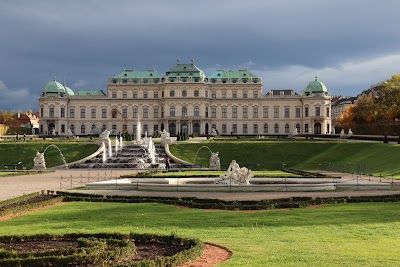
Belvedere Palace
A stunning baroque masterpiece, Belvedere Palace offers breathtaking art and lush gardens.
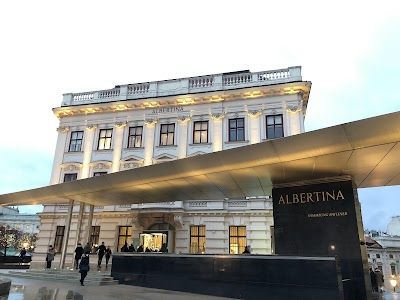
Albertina
Discover masterpieces of art and history at Vienna's exquisite Albertina museum.
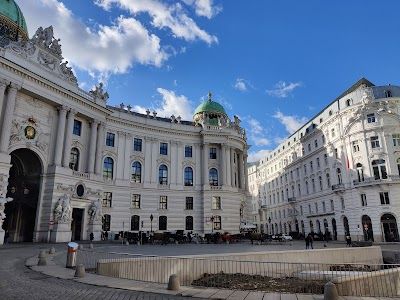
Hofburg
Discover the grandeur of Hofburg, the imperial palace rich in history and culture.
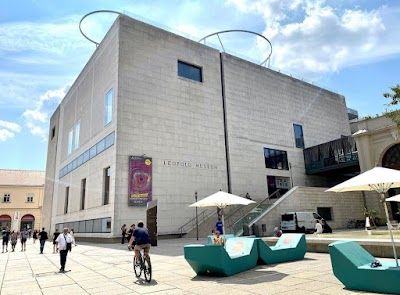
Leopold Museum
Explore Austrian modernism through masterpieces by Klimt, Schiele, and the vibrant art of the Leopold Museum.
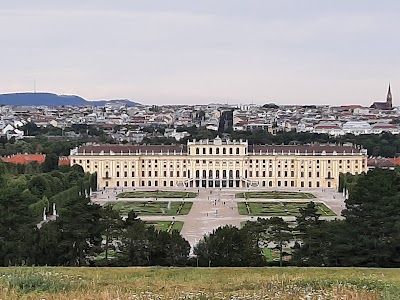
Schönbrunn Palace
Explore Schönbrunn Palace's stunning gardens and opulent architecture, a UNESCO World Heritage gem.