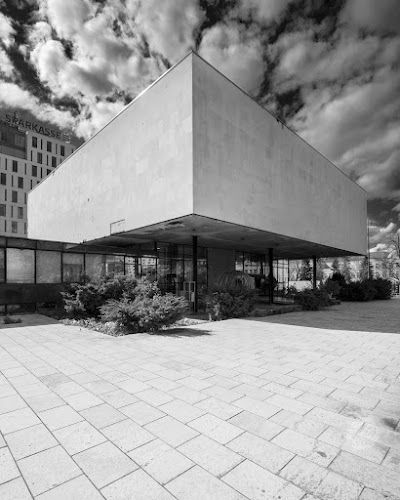
The History Museum of Bosnia and Herzegovina, located in Sarajevo, is a cornerstone institution dedicated to preserving and showcasing the extensive and complex history of the region. Founded in 1945, the museum offers a comprehensive narrative starting from prehistoric times, through the Ottoman and Austro-Hungarian periods, to the turbulent 20th century, including the Yugoslav era and the Bosnian War. Visitors can expect an immersive experience that provides deep insights into Bosnia and Herzegovina's cultural, political, and social evolution.
Inside the museum, the atmosphere is both solemn and engaging, with a thoughtfully curated collection of artifacts, documents, photographs, and multimedia exhibits. The permanent exhibitions are carefully designed to foster understanding and reflection, often highlighting the resilience and rich heritage of the Bosnian people amidst historical challenges. Temporary exhibits also feature, adding fresh perspectives and scholarly research to enrich the visitor experience.
What makes the History Museum truly special is its dedication to education and reconciliation. It is a place where both locals and international visitors come to gain a nuanced understanding of Bosnia's past and its ongoing journey. The museum's respectful yet candid approach to sensitive topics like the 1990s conflict helps visitors connect on a deeper level. Many visitors leave appreciating not just the history on display but also the opportunity for dialogue and learning that the museum facilitates.
Highlights
- Extensive collection of historical artifacts spanning from prehistoric times to modern-day Bosnia
- Insightful exhibits on the Ottoman era and Austro-Hungarian influence in the region
- Detailed documentation and multimedia presentations about the Bosnian War and post-war reconstruction
Best Time to Visit
The best time to visit is during spring (April to June) or early autumn (September to October) when Sarajevo's weather is mild and pleasant, making it ideal for walking tours to and from the museum. These months also avoid the peak summer tourist crowds, allowing for a more contemplative visit.
Insider Tips
- 1Allocate enough time to explore both permanent and temporary exhibitions for a fuller understanding.
- 2Check the museum's website or contact ahead to learn about special events or guided tours offered during your visit.
- 3Combine your visit with a walk around Baščaršija, Sarajevo's historic old town, located nearby to enrich your cultural experience.
Frequently Asked Questions
Yes, the museum has made efforts to improve accessibility, including ramps and elevators, but visitors with mobility impairments are encouraged to contact the museum in advance to arrange any necessary assistance.
Guided tours are occasionally available and can greatly enhance your understanding of the exhibits. It is recommended to check the museum's website or contact staff before your visit to book a guided tour if desired.
Photography for personal use is generally allowed without flash; however, some temporary exhibits might have restrictions. It's best to check signage or ask museum staff for any specific rules during your visit.
More Museums & Galleries
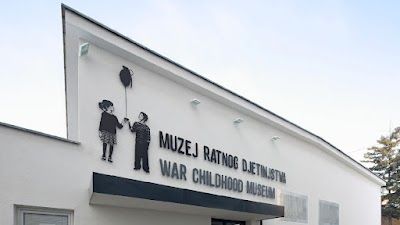
War Childhood Museum
Explore poignant stories of resilience and hope through childhood during wartime in Sarajevo.
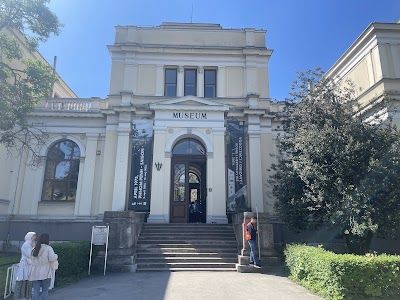
The National Museum of Bosnia and Herzegovina
Explore Bosnia's rich cultural heritage and history at Sarajevo's premier museum, a hidden gem.
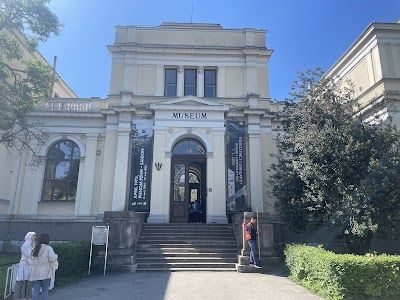
The National Museum of Bosnia and Herzegovina
Explore Bosnia's rich cultural heritage and history at Sarajevo's premier museum, a hidden gem.
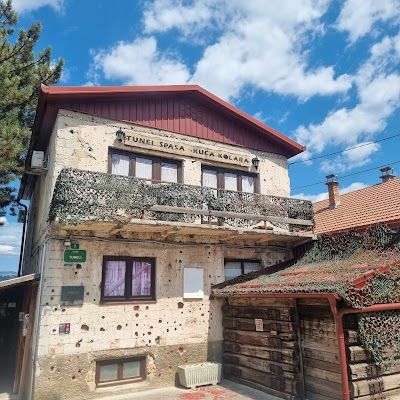
Tunnel of Salvation
Discover Sarajevo's Tunnel of Salvation, a resilient symbol of hope and history.
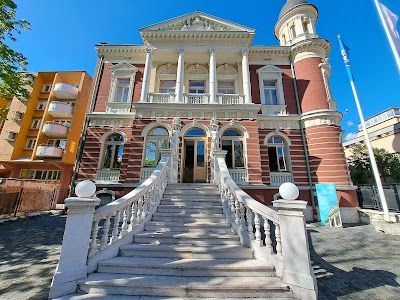
Muzej XIV zimskih olimpijskih igara u Sarajevu
Discover the spirit of the 1984 Winter Olympics in this captivating Sarajevo museum.
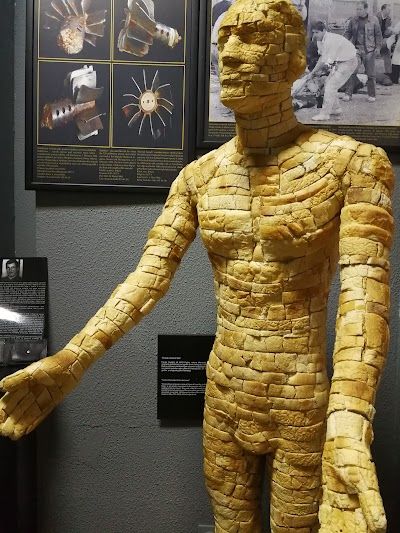
Museum of Crimes Against Humanity and Genocide
A poignant journey through Bosnia's dark history, revealing the resilience of humanity.