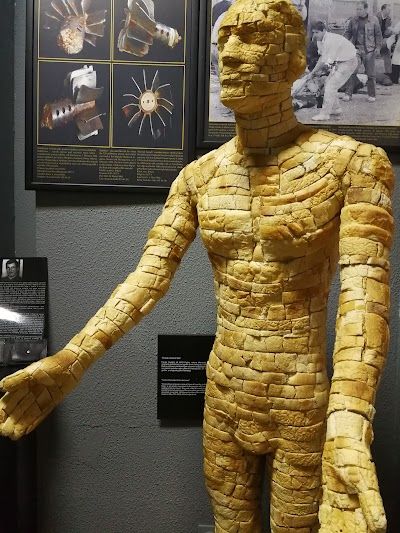
The Museum of Crimes Against Humanity and Genocide in Sarajevo offers visitors a deeply moving and educational experience focused on one of the darkest chapters in modern Bosnian history. Established to document and commemorate the atrocities committed during the 1992-1995 Bosnian War, especially the genocide in Srebrenica, the museum presents a comprehensive narrative through carefully curated exhibits that combine multimedia presentations, personal testimonies, and authentic artifacts. Visitors gain a profound understanding of the conflict's horrors and the resilience of the human spirit in the face of immense suffering.
Inside the museum, you can expect an emotionally powerful atmosphere that respectfully honors the victims while encouraging reflection and awareness. The exhibits are thoughtfully arranged to guide visitors chronologically through the events that led to the war, the crimes that were perpetrated, and the ongoing pursuit of justice and reconciliation. Educational programs and interactive elements further enrich the experience, making it accessible to a range of visitors including scholars, students, and tourists.
The museum's somber and contemplative setting makes it a place for reflection and remembrance. Visitors often describe it as an eye-opening journey that fosters empathy and a deeper appreciation for peace and human rights. Many leave with a heightened awareness of the consequences of hatred and intolerance, making the visit not just informative but transformative. The museum is a must-visit for those seeking to understand Bosnia's recent history beyond headlines and to honor the memory of those who suffered.
Highlights
- Detailed exhibits on the Srebrenica genocide with survivor testimonies
- Multimedia installations depicting the chronology of war events
- Authentic artifacts and documents from the 1992-1995 conflict
Best Time to Visit
Spring (April to June) and early autumn (September to October) are the best times to visit, as the weather is mild making it comfortable to explore Sarajevo. These periods also see fewer tourists, allowing for a more reflective, less crowded museum experience.
Insider Tips
- 1Allow time to read the detailed captions and watch the video testimonies for full context.
- 2Visit early in the day to avoid larger school groups and guided tours for a quieter experience.
- 3Combine your visit with a guided tour of Sarajevo's related historical sites for a comprehensive understanding.
Frequently Asked Questions
Yes, the museum offers English-language information panels and audio guides to accommodate international visitors wishing to understand the exhibits in detail.
Photography is generally permitted without flash, but video recording may be restricted in certain sensitive areas. It is best to check with the museum staff upon arrival.
The museum is equipped with ramps and elevators to ensure accessibility for visitors with mobility challenges, but it's advisable to inform the staff ahead of your visit for any special assistance.
More Museums & Galleries
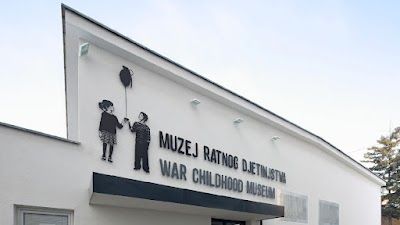
War Childhood Museum
Explore poignant stories of resilience and hope through childhood during wartime in Sarajevo.
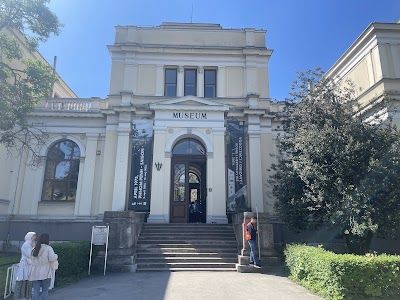
The National Museum of Bosnia and Herzegovina
Explore Bosnia's rich cultural heritage and history at Sarajevo's premier museum, a hidden gem.
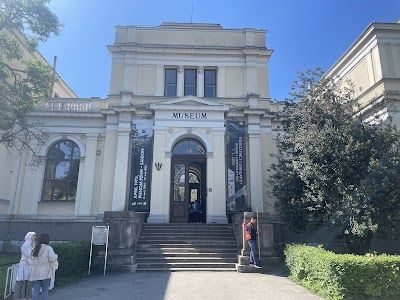
The National Museum of Bosnia and Herzegovina
Explore Bosnia's rich cultural heritage and history at Sarajevo's premier museum, a hidden gem.
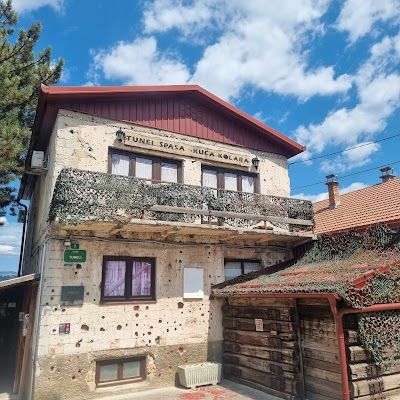
Tunnel of Salvation
Discover Sarajevo's Tunnel of Salvation, a resilient symbol of hope and history.
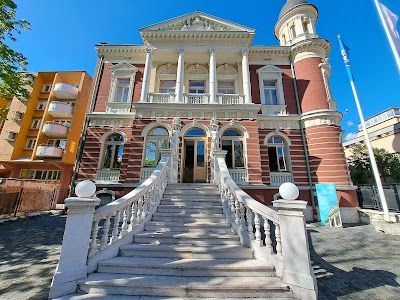
Muzej XIV zimskih olimpijskih igara u Sarajevu
Discover the spirit of the 1984 Winter Olympics in this captivating Sarajevo museum.
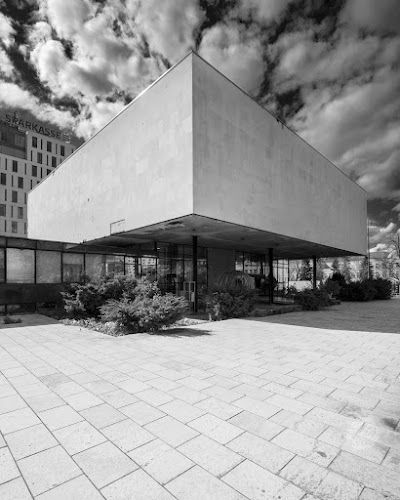
History Museum Of Bosnia and Herzegovina
Explore Bosnia's rich heritage through captivating exhibits at Sarajevo's premier history museum.