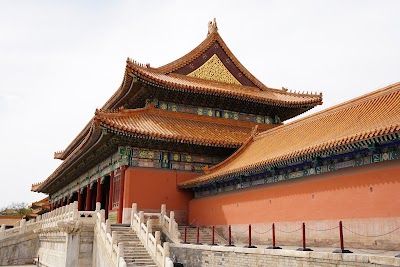
The Forbidden City, located in the heart of Beijing, China, stands as a magnificent emblem of imperial power and Chinese cultural heritage. Serving as the Chinese imperial palace from the Ming dynasty in 1420 until the fall of the Qing dynasty in 1912, this vast complex was home to 24 emperors and their households. Spanning over 180 acres with nearly 1,000 buildings, its sprawling courtyards, intricately decorated halls, and majestic gates offer visitors a rare glimpse into the royal lifestyles and architectural grandeur of ancient China.
Visitors to the Forbidden City can expect to embark on an immersive journey through time as they wander its labyrinth of halls, palaces, and gardens. The architecture showcases classical Chinese palatial design with brightly colored walls, golden rooftops, and elaborate ornamental details, all meticulously preserved. The atmosphere is a harmonious blend of solemnity and awe; while the site is a bustling tourist destination, much of the complex's grandeur and history evokes a deep sense of reverence and wonder.
The Forbidden City is not only a visual feast but also a cultural treasure trove, housing numerous artifacts, paintings, and historical relics that tell stories of China's dynastic history, politics, and art. Visitors often find themselves captivated by the symbolism embedded in each structure, from the ceremonial halls where emperors conducted state affairs to the tranquil imperial gardens. This unique synthesis of history, art, and architecture is why travelers from around the world cherish their experience here, making the Forbidden City a must-see landmark when visiting Beijing.
Highlights
- The Meridian Gate (Wu Men) - the imposing main entrance to the palace complex
- Hall of Supreme Harmony - the largest and most important ceremonial hall
- Imperial Garden - a serene oasis featuring ancient trees and classical Chinese landscaping
Best Time to Visit
The best time to visit the Forbidden City is during the spring (April to May) and autumn (September to October) seasons when the weather is mild and comfortable. During these months, the crowds are relatively smaller compared to peak summer holidays, and the outdoor courtyards and gardens are particularly beautiful with blooming flowers or colorful foliage.
Insider Tips
- 1Purchase tickets online in advance as daily visitor numbers are limited and the venue often sells out early.
- 2Start your visit early in the morning to avoid the heaviest crowds and enjoy cooler temperatures.
- 3Rent an audio guide or download a detailed app to enrich your understanding of the complex's history and symbolism.
Frequently Asked Questions
Yes, photography is allowed throughout the Forbidden City for personal use. However, flash photography and tripods are prohibited, and certain temporary exhibitions may restrict photography.
Some areas are closed off to the public for preservation reasons or special exhibitions. Visitors must stay on designated paths and respect all signs and barriers.
There are limited refreshments available in the designated areas within the complex, but many visitors bring their own water and snacks. Eating is only permitted in specific rest areas to help preserve the site.
More Instagram-Worthy Spots
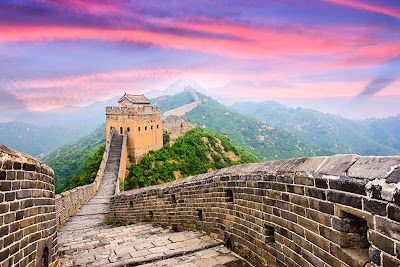
Great Wall of China
Experience history and breathtaking views at the iconic Great Wall of China.
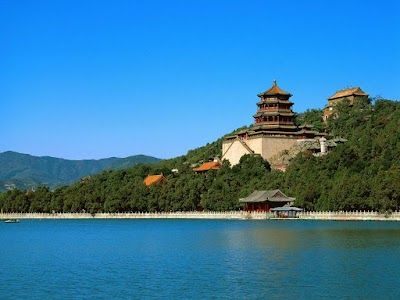
Summer Palace
A breathtaking imperial garden blending natural beauty with stunning architecture and rich history.
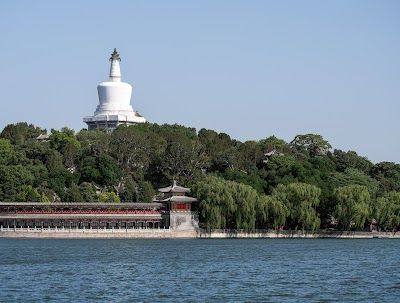
Beihai Park
A serene oasis in Beijing, perfect for family adventures and scenic strolls.
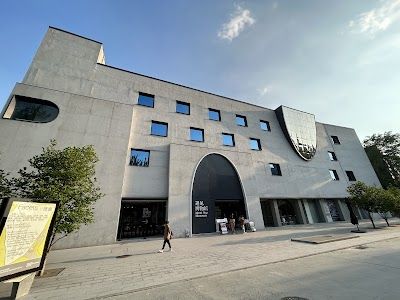
Beijing 798 Art Zone
Explore vibrant contemporary art amidst industrial relics in Beijing's creative 798 Art Zone.
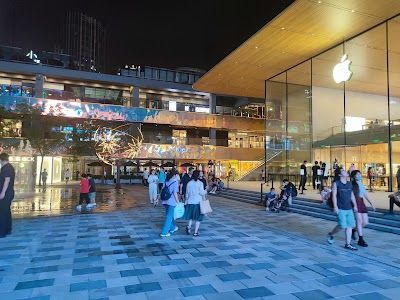
Sanlitun
Vibrant nightlife, chic boutiques, and diverse dining make Sanlitun a cultural hotspot in Beijing.
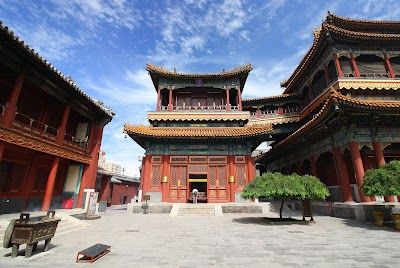
Lama Temple
Discover tranquility and colorful Buddhist art at Beijing's unique Lama Temple.