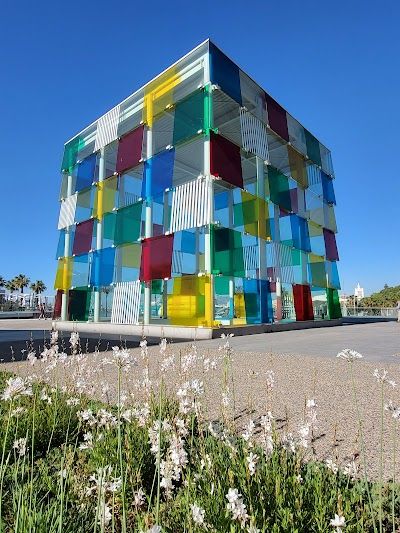
Centre Pompidou Málaga is a vibrant branch of the renowned Parisian institution, bringing contemporary art and innovative exhibitions to the cultural heart of Málaga, Spain. Opened in 2015, this modern museum emerged as a symbol of cultural exchange and artistic exploration, presenting an impressive collection of 20th and 21st-century artworks that span painting, sculpture, photography, and multimedia installations. The museum's mission is to make modern and contemporary art accessible to a wider audience, encouraging dialogue and creativity through its thoughtfully curated exhibitions and public programs.
Visitors to Centre Pompidou Málaga can expect a dynamic experience housed within the iconic Cube building, a transparent glass structure located on the waterfront at the Muelle Uno promenade. Its striking architecture offers panoramic views of the Mediterranean, blending art with the stunning natural surroundings. Inside, the atmosphere is open, bright, and engaging, allowing visitors to immerse themselves in both the art and its innovative presentation. The museum hosts rotating exhibitions from the Centre Pompidou's extensive collection, often featuring masterworks from artists such as Picasso, Kandinsky, and Yves Klein, alongside emerging contemporary talents.
The museum goes beyond traditional gallery exhibitions by offering interactive workshops, guided tours, film screenings, and educational activities, making it a favorite among families, artists, and culture enthusiasts alike. Visitors love the Centre Pompidou Málaga for its combination of world-class art, beautiful seaside location, and the inspiring architectural design, which together create a refreshing cultural experience on Spain's Costa del Sol. Whether you are an art aficionado or a casual visitor, the museum provides a unique opportunity to engage with contemporary creativity within a welcoming and innovative space.
Highlights
- The iconic Cube building with panoramic views of the Mediterranean Sea
- Rotating exhibitions featuring masterpieces by Picasso, Kandinsky, and more
- Interactive workshops and family-friendly educational programs
Best Time to Visit
The best time to visit is during spring (April to June) and autumn (September to November) when Málaga enjoys pleasant weather and fewer crowds, allowing for a more enjoyable and comfortable museum experience. Additionally, weekend afternoons can be busy, so a weekday morning visit is ideal.
Insider Tips
- 1Purchase tickets online in advance to skip the lines and secure entry, especially on weekends.
- 2Combine your visit with a walk along the Muelle Uno waterfront promenade to enjoy shops, cafes, and sea views.
- 3Check the museum's official website for free workshop schedules and family activity days.
Frequently Asked Questions
Photography without flash is generally permitted in the permanent collection areas, but some temporary exhibitions may have restrictions. It's best to check signage or ask museum staff upon arrival.
Yes, Centre Pompidou Málaga is fully accessible, offering ramps, elevators, and adapted restrooms to accommodate visitors with reduced mobility.
Food and drinks are not allowed inside exhibition halls, but the museum features a café where visitors can enjoy refreshments before or after exploring the galleries.
More Museums & Galleries
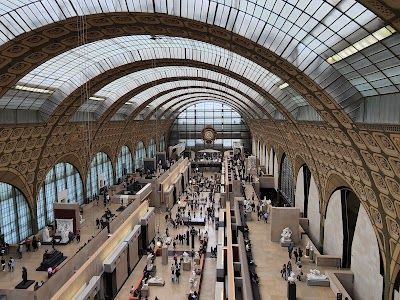
Musée d'Orsay
Experience Impressionism's brilliance at Musée d'Orsay, a masterpiece housed in a former railway station.
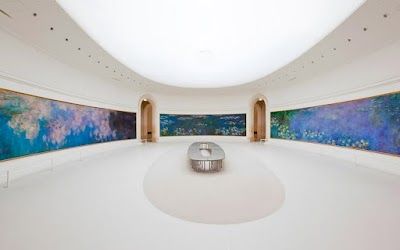
Musée de l'Orangerie
Home to Monet's breathtaking Water Lilies, this museum offers a serene artistic retreat.

Musée Rodin
Explore Rodin's masterpieces amidst stunning gardens, where art and nature beautifully intertwine.

Carnavalet Museum
Explore Parisian history through exquisite art and artifacts at this charming museum.
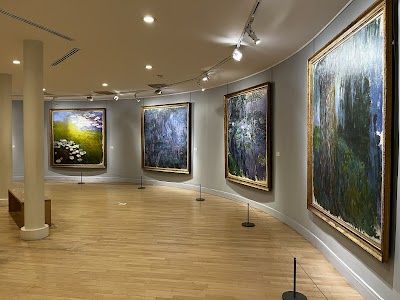
Musée Marmottan Monet
Discover Monet's masterpieces in an intimate setting, showcasing the world's largest Impressionist collection.

Catacombs of Paris
Descend into eerie beauty: Paris's Catacombs unveil captivating history beneath the city's streets.