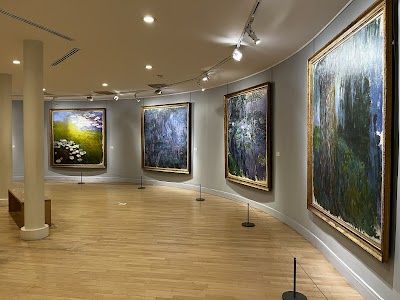
The Musée Marmottan Monet is a hidden gem nestled in the elegant 16th arrondissement of Paris. Originally a hunting lodge built in the 19th century, the building was transformed into a museum that now houses the world's largest collection of Impressionist masterpieces, including the most extensive assemblage of works by Claude Monet. The museum owes much of its significance to the generosity of Paul Marmottan, an avid art collector, and his son to whom the collection was bequeathed. Today, it offers visitors an intimate and serene experience away from the more crowded major museums of Paris.
Visitors can expect a tranquil atmosphere where the soft lighting and tasteful room arrangements allow for an immersive visual experience. The centerpiece of the museum is Monet's iconic "Impression, Sunrise," which is credited with inspiring the Impressionist movement's name. Beyond Monet, the museum also showcases works by other key Impressionists such as Renoir, Sisley, and Berthe Morisot, as well as a striking collection of medieval and Renaissance manuscripts on the first floor. The juxtaposition of different art periods provides a rich cultural context.
The Musée Marmottan Monet is beloved for its cozy scale and personal ambiance, where visitors feel a deeper connection with the art. The museum often hosts temporary exhibitions, lectures, and guided tours to enrich visitors' understanding of Impressionism and Monet's legacy. Its location in a quiet, upscale neighborhood and proximity to the Bois de Boulogne park makes it a perfect cultural stop during a leisurely day in Paris. Art lovers and casual tourists alike appreciate the museum for its peaceful charm and the opportunity to view some of the finest Impressionist artworks in a less commercial environment.
Highlights
- View Claude Monet's masterpiece 'Impression, Sunrise'-the painting that named the Impressionist movement
- Explore the largest collection of Monet's works including his famous water lilies series
- Discover rare medieval and Renaissance manuscripts in the museum's research library
Best Time to Visit
The best time to visit is on weekday mornings, Tuesday or Wednesday, to avoid the larger weekend crowds and enjoy a quieter, more contemplative experience. Visiting during the shoulder seasons of spring or autumn also allows pleasant weather for nearby strolls in the Bois de Boulogne.
Insider Tips
- 1Buy your tickets online in advance to skip the queue, especially during peak tourist seasons.
- 2Check the museum's website for temporary exhibitions and special events that can enhance your visit.
- 3Combine your visit with a relaxing walk in the nearby Bois de Boulogne for a full day experience.
Frequently Asked Questions
Yes, the museum has made accessibility improvements including elevator access and adapted restrooms. Visitors with mobility concerns should contact the museum ahead of time for specific assistance.
Photography without flash is generally allowed in the permanent collection areas, but it's best to check for restrictions during temporary exhibitions or special displays.
Yes, the museum offers guided tours in several languages. You can book these in advance or join scheduled group tours, which provide valuable insights into the Impressionist works and museum history.
More Museums & Galleries
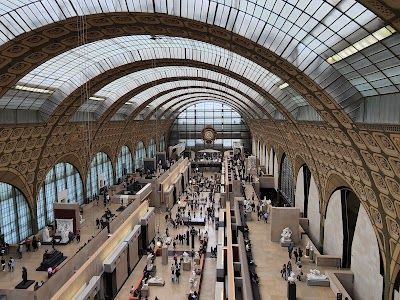
Musée d'Orsay
Experience Impressionism's brilliance at Musée d'Orsay, a masterpiece housed in a former railway station.
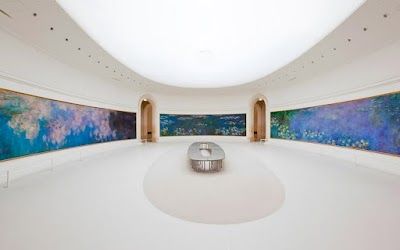
Musée de l'Orangerie
Home to Monet's breathtaking Water Lilies, this museum offers a serene artistic retreat.

Musée Rodin
Explore Rodin's masterpieces amidst stunning gardens, where art and nature beautifully intertwine.

Carnavalet Museum
Explore Parisian history through exquisite art and artifacts at this charming museum.
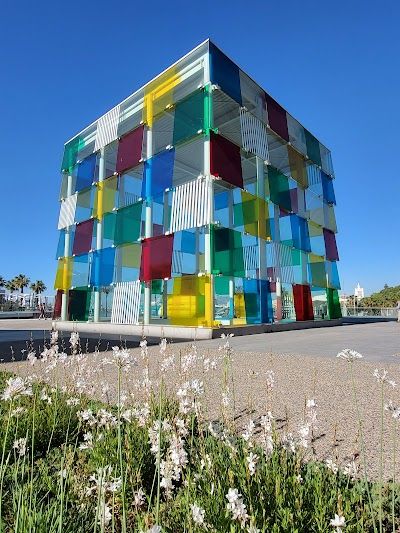
Centre Pompidou Málaga
Experience stunning contemporary art in a vibrant architectural marvel, bridging culture and creativity.

Catacombs of Paris
Descend into eerie beauty: Paris's Catacombs unveil captivating history beneath the city's streets.