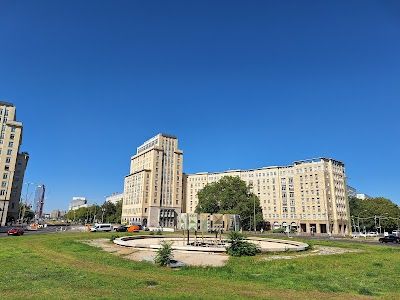
Karl-Marx-Allee is one of Berlin's most iconic boulevards, renowned for its grandiose Stalinist architecture and rich historical significance. Originally constructed in the 1950s as a showcase of socialist urban planning, the avenue stretches over 2 kilometers through Friedrichshain and Mitte, featuring monumental buildings with ornate facades, wide sidewalks, and distinctive street lamps that evoke the era of East Germany. Visitors walking down Karl-Marx-Allee will experience a fascinating blend of history and modern urban life, with numerous cafes, shops, and cultural spaces housed in the striking structures.
This boulevard was designed as a symbol of the East German workers' paradise, intended to impress with its scale and architectural detail. Today, it stands as a testament to Berlin's divided past and its subsequent reunification. Along the route, you can spot emblematic features such as massive arches, colonnades, and socialist realist sculptures, all of which provide perfect backdrops for striking Instagram photos. The atmosphere is lively, particularly on weekends, when locals and tourists mingle to admire the mix of past and present.
Visitors love Karl-Marx-Allee not only for its visual grandeur but also for its storytelling qualities. Guided tours are available for those interested in fully understanding the boulevard's role in Berlin's Cold War story. Throughout the year, the avenue also hosts events and street festivals, enriching the experience with local culture and community spirit. Whether you're an architecture enthusiast, history buff, or simply looking for an impressive urban location to photograph, Karl-Marx-Allee offers a uniquely captivating excursion into Berlin's layered history and vibrant present.
Highlights
- Magnificent Stalinist architecture including monumental residential buildings and cultural venues
- The Kino International cinema, a preserved example of East Berlin's cultural scene
- Soviet-style street lamps and socialist realist sculptures framing perfect Instagram backdrops
Best Time to Visit
Late spring to early autumn (May to September) offers the best weather for strolling the boulevard, enjoying outdoor cafes, and capturing vibrant photos in natural light. Early evenings during these months also provide warm, golden lighting that enhances the architectural details.
Insider Tips
- 1Visit in the late afternoon for ideal soft lighting that highlights the building facades for photography.
- 2Stop by the Kino International to catch a film or simply admire its preserved historic interiors.
- 3Combine your visit with a walk down the nearby East Side Gallery for a fuller experience of Berlin's history.
Frequently Asked Questions
Yes, Karl-Marx-Allee is well-served by multiple U-Bahn stations including Weberwiese, Frankfurter Tor, and Strausberger Platz, making it easy to reach from central Berlin and other districts.
Yes, several local tour companies offer guided walking tours that cover Karl-Marx-Allee, explaining the historical context and architectural significance. Many of these tours can be booked online or at nearby tourist information centers.
Absolutely. The boulevard features a variety of cafes, restaurants, and boutique shops located within or near the grand buildings, allowing visitors to relax and explore local culinary and shopping options.
More Instagram-Worthy Spots
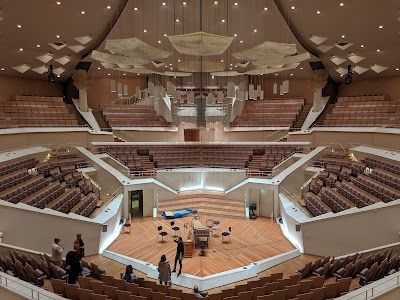
Berliner Philharmonie
Iconic architectural marvel, home to world-class performances and breathtaking acoustics in Berlin.
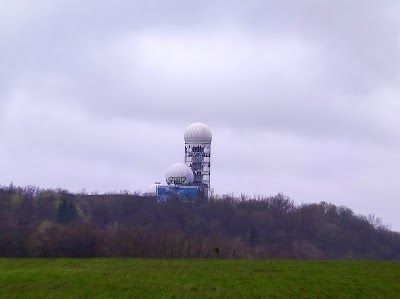
Teufelsberg
Explore the haunting beauty and panoramic views atop Berlin's secret Cold War listening station.
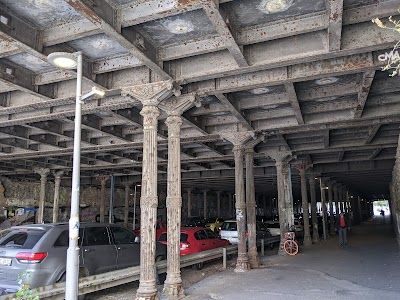
Gleimtunnel
Vibrant street art and lush greenery create a stunning urban escape at Gleimtunnel!
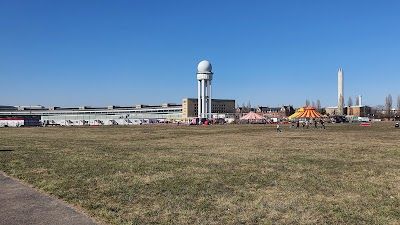
Tempelhofer Feld
A vast, historic airfield turned park, perfect for picnics, skateboarding, and sunset views.
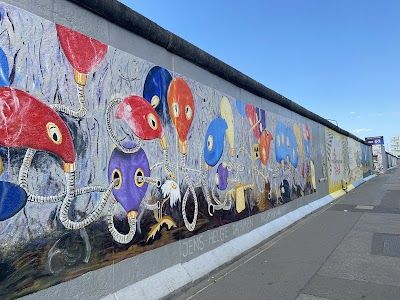
East Side Gallery
Vibrant murals on the Berlin Wall showcase artistic resilience and the spirit of freedom.
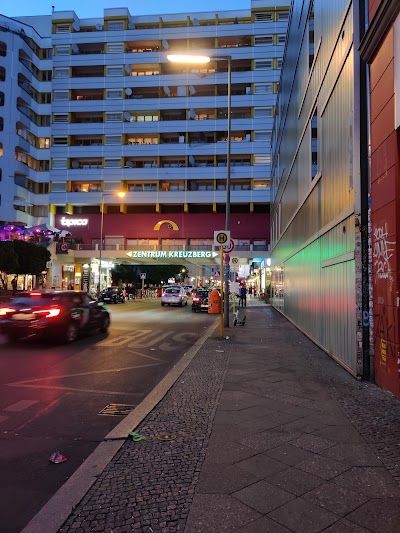
Kottbusser Tor
Vibrant street art and multicultural vibe at Kottbusser Tor, Berlin's urban heartbeat.