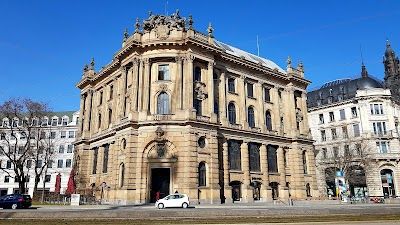
Maxvorstadt is Munich's dynamic and historically rich neighborhood, often hailed as the city's cultural and intellectual heartbeat. Established in the 19th century as part of King Ludwig I's expansion plans, it was designed to be a prestigious district for academia, art, and civic institutions. Today, Maxvorstadt seamlessly blends its storied past with a vibrant, contemporary atmosphere. The streets are lined with neoclassical buildings, stately museums, and elegant university halls, offering visitors a journey through Munich's rich intellectual and artistic heritage.
Visitors to Maxvorstadt are greeted by a unique mix of cultural landmarks and lively urban life. This neighborhood is home to some of Munich's most important museums such as the Alte Pinakothek, Neue Pinakothek, and Pinakothek der Moderne, each showcasing extensive art collections from old masters to cutting-edge modern works. Beyond the museums, Maxvorstadt thrives with quaint cafés, trendy bars, and bookstores that attract students, artists, and tourists alike. The atmosphere here is both scholarly and relaxed, making it an ideal place for leisurely strolls, people watching, and immersing oneself in Munich's cultural pulse.
Why do visitors love Maxvorstadt? It is precisely this blend of history, art, and youthful energy. The neighborhood is a magnet for culture seekers wanting to explore world-class art collections and for those eager to experience Munich's café culture away from the usual tourist crowds. The adjacent Ludwig-Maximilians-Universität injects a vibrant student energy, influencing the dining and nightlife scene. With its walkable streets and abundant green spaces like the serene Königsplatz, Maxvorstadt offers an enriching and authentic Munich experience that appeals to a broad range of travelers.
Highlights
- The Alte Pinakothek - home to masterpieces by Dürer, Rubens, and Rembrandt
- Königsplatz - a grand square bordered by classical architecture and museums
- Pinakothek der Moderne - one of Europe's leading modern art museums
Best Time to Visit
The best time to visit Maxvorstadt is late spring through early autumn (May to September) when the weather is mild and outdoor cafés and gardens are in full swing, offering a pleasant atmosphere for exploring and relaxing.
Insider Tips
- 1Purchase a combined ticket (Pinakotheken Museums-Ticket) to save on multiple museum entries.
- 2Visit the cafés around Türkenstraße and Schellingstraße for an authentic student vibe with local specialties.
- 3Stop by the small galleries and artist studios near Akademiestraße to discover emerging Bavarian artists.
Frequently Asked Questions
Yes, most major museums including the Alte Pinakothek and Pinakothek der Moderne have wheelchair access, elevators, and provide free admission for accompanying persons. It is best to check each museum's website for specific accessibility details.
Maxvorstadt is generally very safe, including at night, due to its university presence and active nightlife. Normal travel precautions apply, but it remains one of Munich's more secure and welcoming neighborhoods.
Maxvorstadt is well connected by Munich's U-Bahn with stations such as Königsplatz (Lines U2 and U8), Theresienstraße, and Universität (U3 and U6). Several tram lines and buses also run through the area, making it easy to reach from anywhere in Munich.
More Neighborhoods to Explore
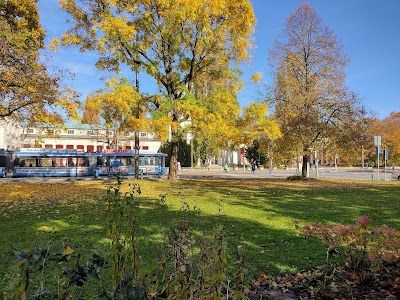
Giesing
Giesing: a vibrant blend of traditional charm and modern artistry in Munich.
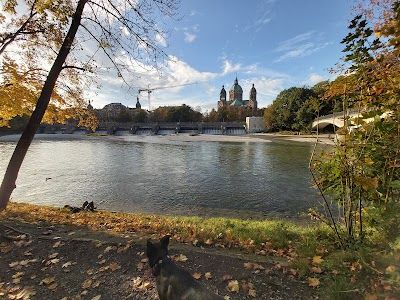
Au-Haidhausen
Au-Haidhausen blends historic charm with vibrant culture, offering cafes, art, and scenic riverside walks.
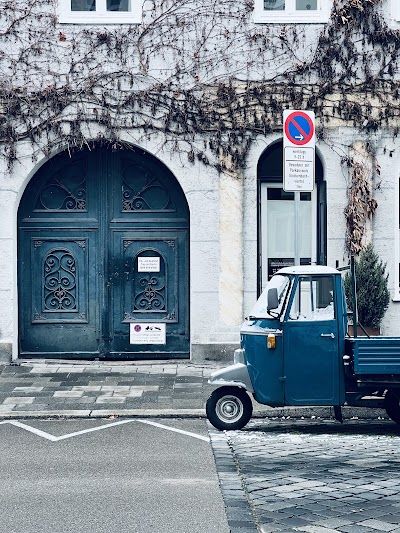
Glockenbachviertel
Vibrant Glockenbachviertel: Munich's artistic hub, brimming with quirky cafes, boutiques, and lively nightlife.
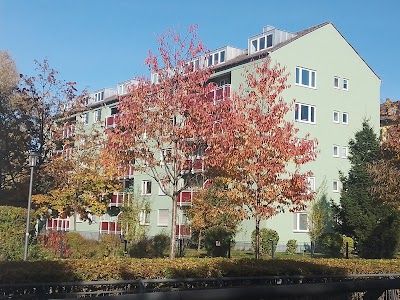
Sendling
Discover Sendling, Munich's hidden gem, blending vibrant local culture with charming historic streets.
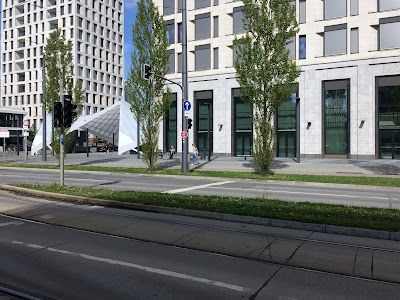
Schwabing-Freimann
Schwabing-Freimann, Munich's artistic gem, boasts vibrant culture, trendy cafes, and beautiful parks.
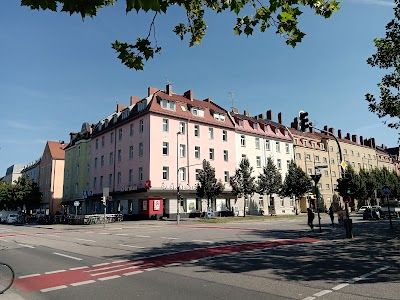
Schwanthalerhöhe
Experience a vibrant mix of culture and history in Munich's hidden gem, Schwanthalerhöhe.