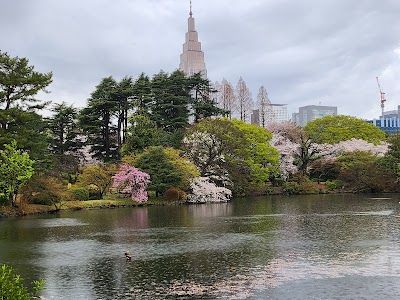
Shinjuku Gyoen National Garden stands as a stunning green sanctuary amid the vibrant urban sprawl of Tokyo. Originally established during the Edo period as an imperial garden, the space was redesigned in the early 20th century to combine traditional Japanese landscaping with French formal and English landscape gardens. This fusion creates a harmonious environment that showcases carefully manicured lawns, serene ponds, and seasonal flower displays. Visitors can meander along winding paths beneath ancient trees, explore a classic tea house, or simply enjoy a peaceful moment away from the city's hustle and bustle.
The garden covers an expansive area featuring diverse zones, including the Japanese traditional garden with its iconic cherry trees and tranquil ponds, the spacious French formal garden with symmetrical flowerbeds, and the informal English landscape garden offering sweeping green vistas. In spring, Shinjuku Gyoen becomes particularly famous for its spectacular cherry blossoms, attracting both locals and tourists for hanami (flower viewing). The garden's calm and meticulous design fosters an atmosphere of relaxation, making it an ideal destination for families, couples, and solo travelers alike.
Visitors often appreciate the seasonal variety within Shinjuku Gyoen, as the gardens evolve throughout the year-from plum blossoms and rhododendrons in early spring to lush greenery in summer, vibrant autumn foliage, and serene winter landscapes. The well-maintained facilities, including a greenhouse exhibiting tropical plants, and the on-site tea house offering traditional Japanese tea experiences, enhance the visitor journey. With its blend of history, natural beauty, and cultural elements, Shinjuku Gyoen National Garden remains a beloved respite in the heart of Tokyo and a must-see for those seeking both tranquility and inspiration.
Highlights
- Cherry blossoms in spring creating breathtaking hanami scenes
- Traditional Japanese tea house offering authentic tea ceremonies
- Diverse garden styles including Japanese, French formal, and English landscape
Best Time to Visit
The best time to visit is during spring (late March to early April) to witness the stunning cherry blossoms, or in autumn (November) when the vibrant fall foliage colors the garden's trees and pathways.
Insider Tips
- 1Arrive early on weekends and cherry blossom peak days to avoid crowds and enjoy a more peaceful experience.
- 2Bring a picnic blanket as certain grassy areas allow visitors to relax and eat while appreciating the scenery.
- 3Visit the greenhouse to see rare tropical plants, especially if the weather outside is less favorable.
Frequently Asked Questions
Yes, the garden offers guided tours in Japanese and sometimes English; check the official website or visitor center for schedules and availability. Alternatively, audio guides can be rented for a self-paced exploration.
Yes, picnics are permitted in designated grassy areas but consuming alcohol is prohibited. Be sure to clean up your area and respect other visitors.
Shinjuku Gyoen is open from 9:00 AM to 4:30 PM (last entry at 4:00 PM). It is closed on Mondays except if Monday falls on a national holiday; in that case, it will close the following day. Additionally, it closes on December 29 through January 3.
More Top Attractions
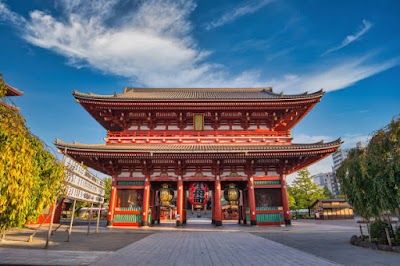
Sensō-ji
Experience Tokyo's spiritual heart at Sensō-ji, a vibrant fusion of history and culture.

Shibuya Sky
Experience breathtaking skyline views and unique atmospheric charms at Tokyo's Shibuya Sky.
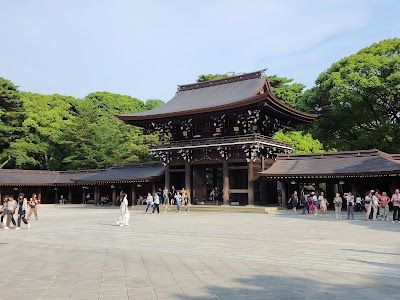
Meiji Jingu
Serene sanctuary in Tokyo, blending lush nature with stunning traditional Shinto architecture.

teamLab Planets TOKYO DMM
Immerse yourself in a captivating digital art experience that transcends reality at teamLab Planets.
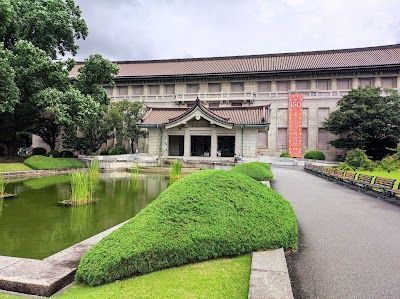
Tokyo National Museum
Explore Japan's rich history through stunning artifacts at Tokyo's premier museum.

Akihabara Electric Town
Neon-lit paradise for tech lovers and otaku culture, brimming with gadgets and anime treasures.