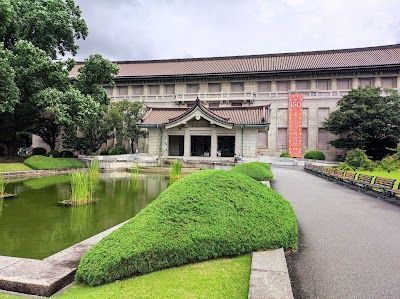
The Tokyo National Museum, located in Ueno Park, is Japan's oldest and largest museum, showcasing an extraordinary collection that spans over 10,000 years of Japanese art and cultural history. Founded in 1872, the museum is a treasure trove of samurai armor, ancient pottery, exquisite kimonos, calligraphy, and Buddhist sculptures. It is a must-visit for anyone looking to delve deep into Japan's artistic heritage and understand the evolution of its culture from prehistoric times to the modern era.
Visitors can expect to explore several buildings within the museum complex, including the Honkan (Japanese Gallery), Toyokan (Asian Gallery), and the Heiseikan (Special Exhibitions). Each offers a unique glimpse into different periods and regions, with beautifully curated exhibits that are both educational and visually captivating. The museum's serene atmosphere, enhanced by the surrounding Ueno Park gardens, offers a peaceful retreat from the bustling city.
Visitors love the Tokyo National Museum for its comprehensive and thoughtfully presented collections that highlight Japan's artistic and historical richness. The museum also provides detailed English signage and audio guides, making it highly accessible to international travelers. Seasonal exhibitions and cultural events further enrich the experience, ensuring that each visit offers something new. Whether you are a history buff, an art lover, or a curious traveler, the Tokyo National Museum offers an unforgettable journey through Japan's cultural legacy.
Highlights
- The Honkan Building's extensive collection of samurai armor and traditional Japanese art
- The Toyokan's exhibitions of Chinese, Korean, and other Asian artworks providing regional context
- Beautifully preserved Buddhist sculptures and ceremonial artifacts dating back centuries
Best Time to Visit
The best time to visit is during the spring (March to May) and autumn (October to November) when Ueno Park surrounding the museum is adorned with cherry blossoms or colorful foliage, creating a spectacular setting that complements the museum experience. Weekdays and mornings are ideal to avoid large crowds.
Insider Tips
- 1Purchase tickets online in advance to skip the ticket lines, especially during peak tourist seasons.
- 2Allow extra time to explore Ueno Park before or after your visit to the museum for a fuller cultural experience.
- 3Check the museum's website for special exhibitions or events that may require separate admission or advance booking.
Frequently Asked Questions
Yes, the museum is fully wheelchair accessible with ramps and elevators available in all buildings. Wheelchairs can also be borrowed free of charge at the museum entrance.
The museum offers audio guides in English for major exhibits. Occasionally, English guided tours are available but must be reserved in advance; check the official website for current availability.
Photography is generally allowed in most exhibition areas without flash, but some special exhibitions may prohibit photography. Always look for signage or ask staff before taking pictures.
More Top Attractions
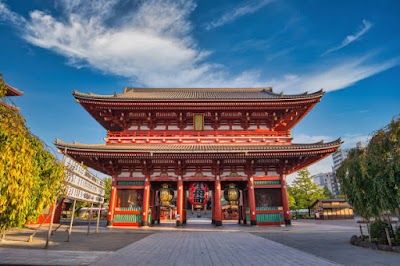
Sensō-ji
Experience Tokyo's spiritual heart at Sensō-ji, a vibrant fusion of history and culture.
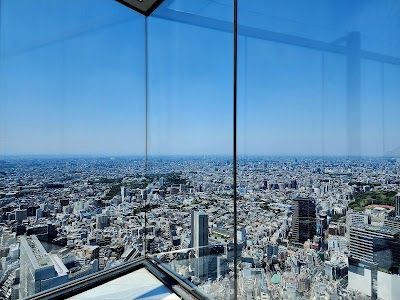
Shibuya Sky
Experience breathtaking skyline views and unique atmospheric charms at Tokyo's Shibuya Sky.
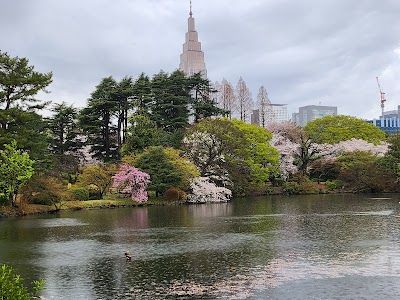
Shinjuku Gyoen National Garden
A serene oasis in bustling Tokyo, featuring exquisite gardens blending traditional and modern landscapes.
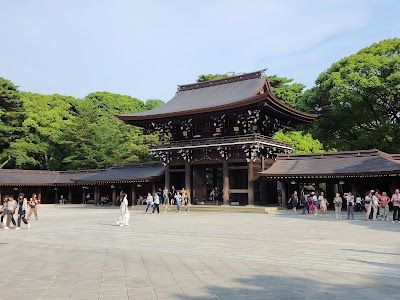
Meiji Jingu
Serene sanctuary in Tokyo, blending lush nature with stunning traditional Shinto architecture.
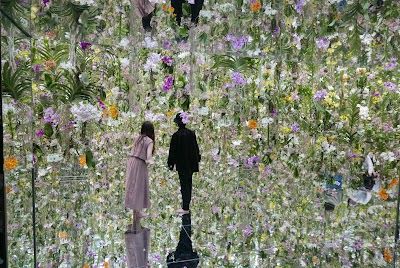
teamLab Planets TOKYO DMM
Immerse yourself in a captivating digital art experience that transcends reality at teamLab Planets.
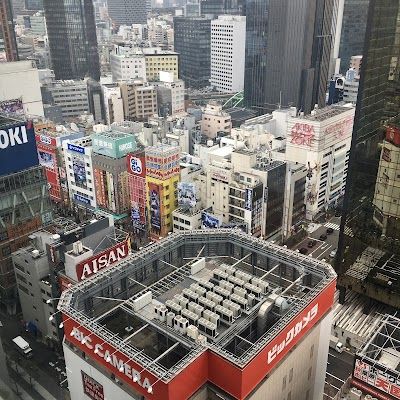
Akihabara Electric Town
Neon-lit paradise for tech lovers and otaku culture, brimming with gadgets and anime treasures.