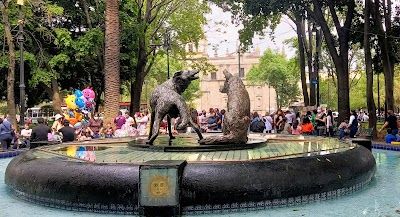
Coyoacán, an enchanting neighborhood located in the southern part of Mexico City, is renowned for its rich history, vibrant arts scene, and charming colonial architecture. Originally a separate village before its absorption into the sprawling metropolis, Coyoacán means "place of coyotes" in Nahuatl, reflecting its indigenous roots. The area maintains a relaxed and bohemian atmosphere that stands in contrast to the frenetic pace of central Mexico City. Visitors will appreciate its cobblestone streets lined with colorful houses, lively plazas, and leafy parks that create an inviting ambiance perfect for leisurely exploration.
Historically, Coyoacán was a cultural and political center during the colonial period and became a refuge for artists and intellectuals in the 20th century. It is famously associated with Frida Kahlo and Diego Rivera, whose former homes are now museums attracting devotees of Mexican art and history worldwide. The neighborhood pulses with vibrant markets, street performers, artisan shops, and quaint cafes serving everything from traditional Mexican cuisine to contemporary fare. The central Jardin Centenario square, featuring a beautiful fountain and surrounding colonial buildings, often hosts cultural events and live music.
Visitors to Coyoacán can expect an immersive experience blending Mexico's indigenous heritage, colonial past, and modern artistic creativity. The welcoming local vibe encourages slow travel-strolling through plazas, sampling local street food like churros and quesadillas, browsing markets selling handmade crafts, and visiting galleries. This blend of history, culture, and everyday local life makes Coyoacán one of Mexico City's most beloved neighborhoods, offering both inspiration and relaxation to travelers looking to uncover authentic Mexican charm away from typical tourist routes.
Highlights
- Frida Kahlo Museum (Casa Azul) - Explore the iconic artist's vibrant blue home and personal artifacts
- Jardin Centenario - Central plaza with fountains, cafes, and weekend artisan markets
- Mercado de Coyoacán - Bustling market offering traditional Mexican food, crafts, and souvenirs
Best Time to Visit
The best time to visit Coyoacán is during the dry season, from November to April, when pleasant weather ensures comfortable walks and outdoor activities. Weekdays or early mornings on weekends are ideal to avoid crowds, especially at popular sites like the Frida Kahlo Museum.
Insider Tips
- 1Purchase Frida Kahlo Museum tickets online in advance due to limited daily entries
- 2Try street food like quesadillas and churros at small stalls around Jardin Centenario for authentic flavors
- 3Visit the Leon Trotsky Museum nearby for a deeper historical perspective, often overlooked by tourists
Frequently Asked Questions
The museum has some accessibility limitations due to its colonial architecture and narrow rooms. Visitors with mobility concerns should contact the museum ahead of time to inquire about accommodations.
Most local markets and street vendors in Coyoacán primarily accept cash in Mexican Pesos, so it's advisable to bring sufficient cash to avoid inconvenience.
Taking a registered taxi or ride-sharing service like Uber is the safest and most convenient option. Alternatively, the Metro Line 3 with a short taxi ride from the Coyoacán station works well, but public transportation can be crowded.
More Neighborhoods to Explore
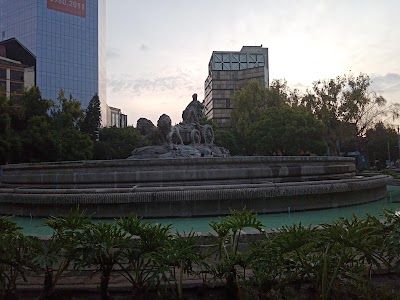
Roma Norte
Vibrant streets of Roma Norte boast eclectic cafes, art galleries, and trendy nightlife.
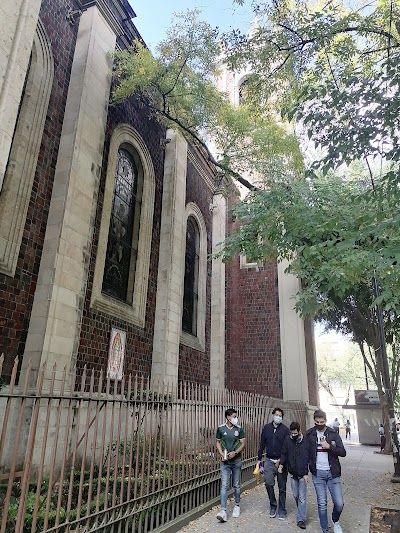
La Condesa
Enchanting La Condesa, where tree-lined streets meet vibrant culture and culinary delights.
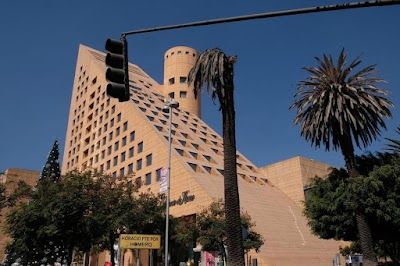
Polanco
Polanco: A vibrant hub of luxury dining, upscale shopping, and cultural sophistication.
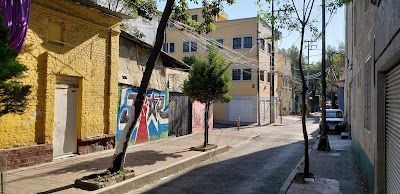
Escandón I Sección
Charming streets filled with eclectic cafes and vibrant street art in a historic neighborhood.
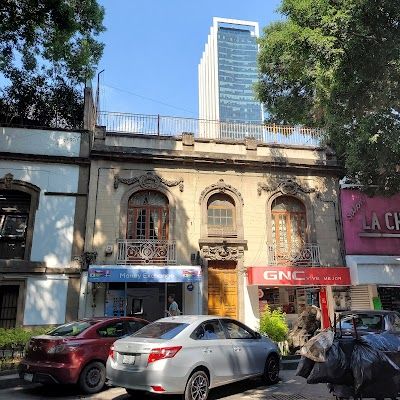
Juárez
Vibrant Juárez boasts eclectic architecture, lively street art, and a thriving culinary scene.
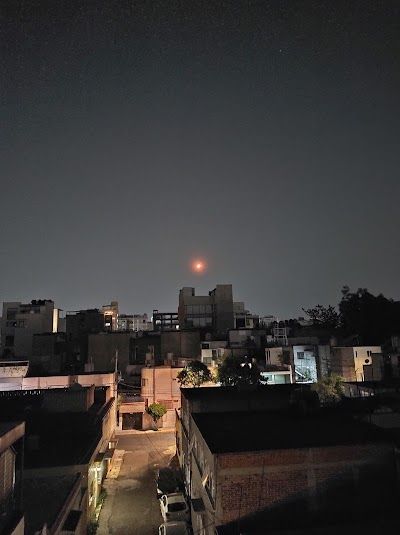
Roma Sur
Vibrant Roma Sur blends artistic charm with delicious cuisine and lively street culture.