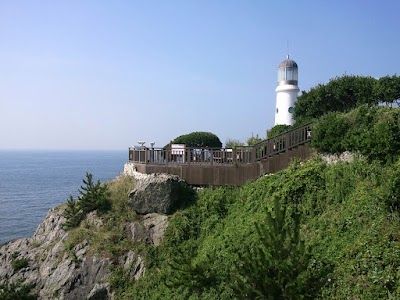
Dongbaekseom, located on the southern coast of Busan, South Korea, is a captivating island that seamlessly blends natural beauty with cultural significance. Historically, Dongbaekseom was an island but has since become connected to the mainland by a narrow path, creating a peninsula famed for its dense camellia forests and picturesque coastal vistas. Its name, which means 'Island of Camellias,' reflects the lush greenery and vibrant flowers that bloom throughout much of the year. The site holds historical importance as it is near the location commemorated in the famous Korean poem "The Song of the Sea" by Yi Hwang, a beloved Joseon dynasty scholar and poet.
Visitors to Dongbaekseom can expect a tranquil walking experience along well-maintained paths that wind through thick camellia groves and unique rock formations shaped by centuries of ocean winds. Along the trails, several cultural landmarks and statues, including one of the famed Korean heroine Princess Hwangok, add a layer of intrigue and reflection. The atmosphere is serene and refreshing, ideal for nature lovers, photographers, and anyone seeking a peaceful escape from Busan's urban bustle. The expansive views over the crashing waves of the East Sea and glimpses of nearby Haeundae Beach provide unforgettable photo opportunities.
What truly draws visitors to Dongbaekseom is the harmonious mix of coastal charm, historical resonance, and abundant natural scenery. Whether visiting in spring when camellias are in full bloom or in cooler seasons when fresh ocean air invigorates the senses, the island has a timeless appeal. Many come in the early morning or near sunset to catch stunning sunrises or dusk views, immersing themselves in the peaceful atmosphere. This spot consistently ranks highly among visitors looking for both relaxation and cultural enrichment during their stay in Busan.
Highlights
- Camellia-dense walking trails offering picturesque seaside scenery
- The iconic statue of Princess Hwangok and other cultural landmarks
- Panoramic views of Haeundae Beach and the East Sea coastline
Best Time to Visit
The best time to visit Dongbaekseom is during the spring months (March to May) when camellias and other flowers are in full bloom, offering vivid colors and pleasant weather. Early mornings and late afternoons are also ideal for cooler temperatures and stunning sunrise or sunset views over the sea.
Insider Tips
- 1Wear comfortable walking shoes as the trails include some uneven terrain and stairs.
- 2Visit early in the morning or late afternoon to avoid crowds and experience softer natural lighting for photography.
- 3Bring a light jacket or windbreaker, especially in spring and autumn, as ocean breezes can be chilly.
Frequently Asked Questions
Yes, Dongbaekseom is easily accessible by Busan's public transit. The nearest subway station is Dongbaek Station on Line 2, from which the island is a short walk away.
Yes, there are basic visitor facilities including restrooms near the entrance and a few small cafes and food stalls close to the main walking paths, especially near Haeundae Beach.
Direct beach access from Dongbaekseom is limited because much of the coastline is rocky. However, sandy beaches such as Haeundae Beach are nearby and easily reachable by foot or public transport.
More Neighborhoods to Explore
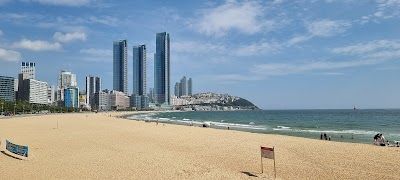
Haeundae-gu
Breathtaking beaches and vibrant nightlife make Haeundae-gu a must-visit Busan gem.
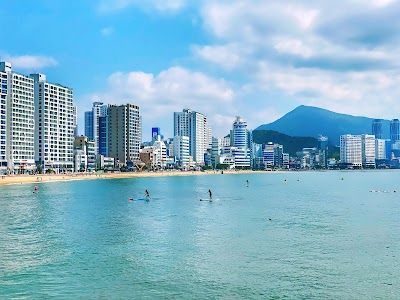
Gwangalli Beach
Bask in stunning views of the illuminated Gwangan Bridge at vibrant Gwangalli Beach.
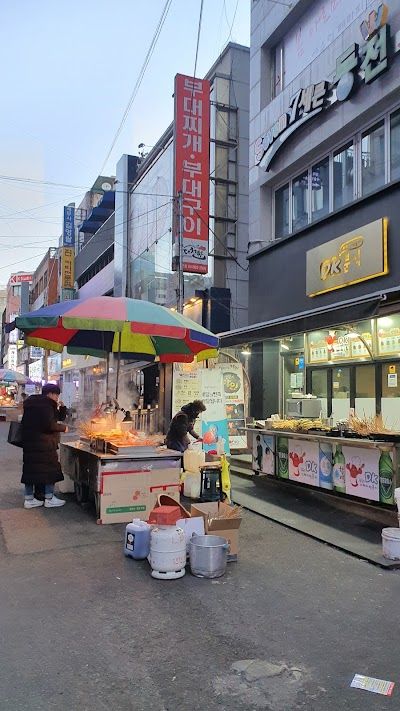
Seomyeon Market
A vibrant hub of street food and nightlife, bustling with energy and local flavor.
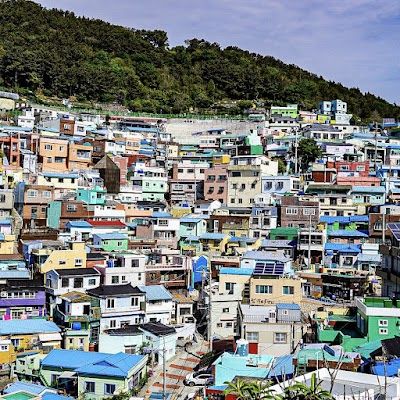
Gamcheon Culture Village
A vibrant tapestry of colorful houses and art, showcasing Busan's unique cultural heritage.
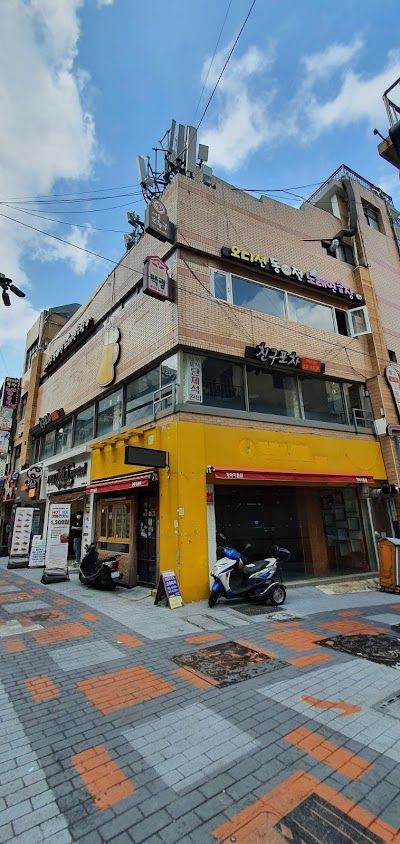
남포동
Vibrant street food and shopping blend in Busan's bustling Nampo-dong market.
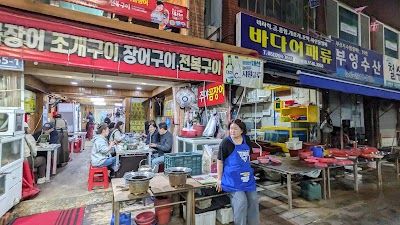
Jagalchi Market
Experience Busan's vibrant seafood culture at Jagalchi Market, where freshness meets tradition!