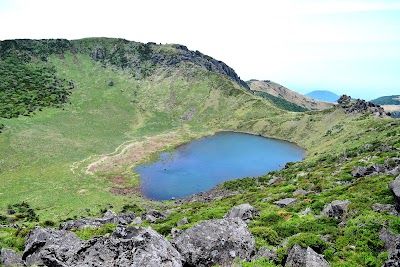
Hallasan, the towering dormant volcano at the heart of Jeju Island, is South Korea's highest peak and a symbol of the island's unique natural heritage. Rising 1,947 meters above sea level, Hallasan is situated within Hallasan National Park, renowned for its breathtaking volcanic landscapes, diverse flora and fauna, and culturally significant sites. The mountain's volcanic crater, Baengnokdam, is a stunning crater lake that sits at the summit, offering awe-inspiring panoramic views that reward dedicated hikers. Hallasan has been a source of inspiration and reverence in Korean culture, celebrated in local folklore and protected as a UNESCO Biosphere Reserve for its ecological importance.
Visitors to Hallasan can expect an immersive experience into nature with well-maintained hiking trails that cater to various skill levels. Popular routes such as the Seongpanak and Gwaneumsa trails lead adventurers up to the summit and back, providing opportunities to witness the changing vegetation zones-from dense forests of fir and pine to alpine flora near the peak. The atmosphere is serene yet invigorating, with crisp mountain air, occasional wildlife sightings, and the quiet majesty of volcanic rock formations. The trail infrastructure includes rest areas and shelters, making it accessible for many outdoor enthusiasts.
What draws visitors to Hallasan beyond the physical challenge is the mountain's dynamic beauty throughout the seasons. Spring brings an explosion of vibrant wildflowers, while autumn paints the landscape in warm hues of red and amber. Winter, though more challenging due to snow and ice, transforms the peak into a pristine winter wonderland that rewards those prepared for the conditions. The mountain is also a favored spot for photographers and nature lovers seeking tranquility away from the island's busier beach resorts. Hallasan's blend of natural grandeur and cultural significance truly embodies the spirit of Jeju Island.
Highlights
- The spectacular crater lake Baengnokdam at the summit
- Diverse ecosystems ranging from lush forests to alpine flora
- Panoramic views of Jeju Island and the surrounding ocean
Best Time to Visit
Late spring (April to June) and early autumn (September to November) are the best times to visit Hallasan due to mild weather, clear skies, and vibrant seasonal colors. Summer can be hot and humid, while winter hiking requires proper gear due to snow and ice.
Insider Tips
- 1Start early in the morning to avoid crowds and complete the hike before sunset.
- 2Check the weather forecast and trail conditions at the Hallasan National Park Visitor Center before hiking.
- 3Bring layered clothing and plenty of water; weather can change rapidly at higher altitudes.
Frequently Asked Questions
The summit hike is quite strenuous and typically recommended for hikers with good fitness levels. Beginners can opt for shorter trails such as Yeongsil or Eoseungsaengak, which offer beautiful views without the full summit challenge.
No entrance fees or permits are required to hike Hallasan. However, during winter months, certain trails may be closed or limited for safety reasons.
There are rest areas, shelters, and toilets along main hiking routes. The Hallasan National Park Visitor Center provides maps, trail updates, and emergency assistance if needed.
More Neighborhoods to Explore
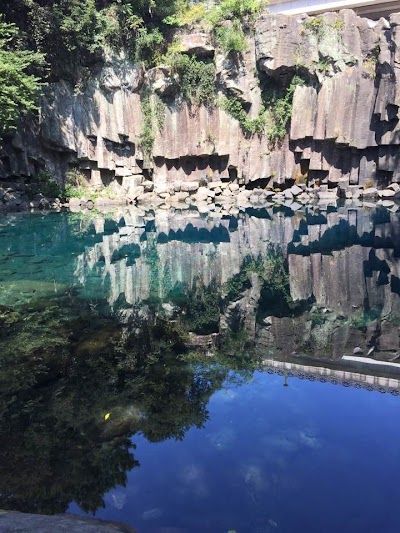
Seogwipo-si
A stunning coastal gem, Seogwipo-si offers breathtaking waterfalls, vibrant markets, and rich culture.
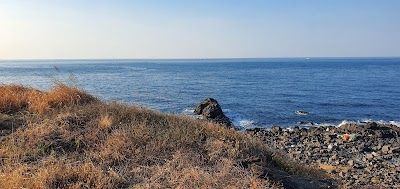
Jeju-si
Experience the stunning volcanic landscapes and vibrant culture of Jeju-si, South Korea's paradise island.
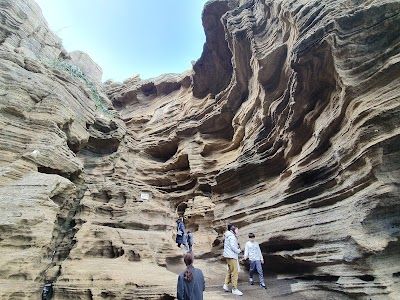
Yongmeori Coast
Breathtaking cliffs meet azure waves at Yongmeori Coast, nature's stunning canvas on Jeju Island.
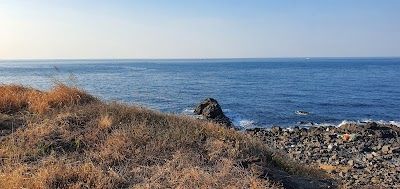
Aewol-eup
Experience stunning coastal views and vibrant local culture in Aewol-eup, Jeju Island.
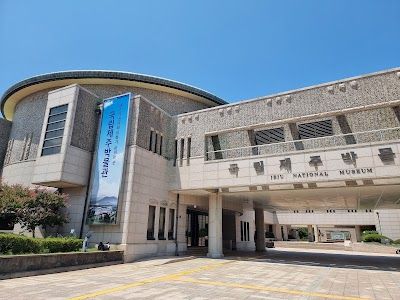
Jeju National Museum
Discover Jeju's rich history and culture through captivating exhibits at this stunning museum.
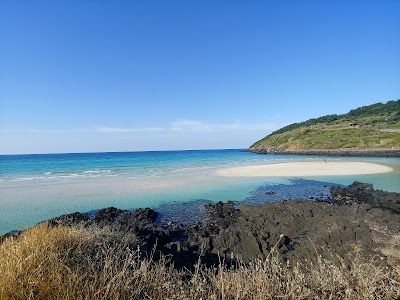
Hamdeok Beach
Hamdeok Beach enchants with its turquoise waters, white sands, and stunning volcanic landscapes.