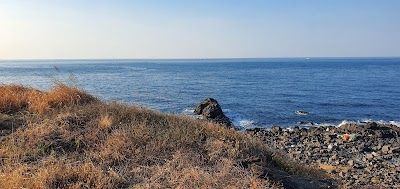
Jeju-si is the vibrant heart of Jeju Island, a volcanic gem located off South Korea's southern coast. Known for its breathtaking natural landscapes and rich cultural heritage, Jeju-si offers travelers a unique blend of island life and urban sophistication. The city serves as the administrative and economic center of Jeju Province, featuring charming neighborhoods, bustling markets, and easy access to some of the island's most iconic attractions. Its history is deeply tied to volcanic activity, which shaped the dramatic terrain dotted with lava tubes, craters, and waterfalls that visitors come to explore.
Travelers to Jeju-si can expect a lively yet laid-back atmosphere, with an abundance of fresh seafood restaurants, quaint cafes, and artisan shops showcasing local crafts. The city is a gateway to UNESCO World Heritage sites, including the famous Hallasan Mountain, South Korea's highest peak, and the Manjanggul Lava Tube. Additionally, cultural experiences abound with traditional Jeju folk villages and museums that highlight the island's unique heritage and the haenyeo women divers.
What makes Jeju-si particularly beloved by visitors is its harmonious balance of natural beauty and cultural vibrancy. Whether hiking along coastal trails, visiting tranquil temples, or participating in seasonal festivals, travelers find something to enchant every sense. The city's well-planned infrastructure ensures easy transportation and comfortable accommodations, making it an ideal base for exploring the entirety of Jeju Island. Visitors often leave Jeju-si with a sense of renewal, inspired by the island's serene landscapes and warm hospitality.
Highlights
- Hallasan National Park - hiking South Korea's tallest mountain with panoramic island views
- Dongmun Traditional Market - vibrant marketplace offering local food, crafts, and souvenirs
- Jeju Folklore & Natural History Museum - insight into Jeju's cultural and geological history
Best Time to Visit
The best time to visit Jeju-si is between April and June or September to November when the weather is mild, skies are clear, and vibrant festivals take place. Spring offers blooming flowers and comfortable temperatures, while autumn treats visitors to colorful foliage and pleasant hiking conditions.
Insider Tips
- 1Rent a car or scooter for flexible access to outlying attractions and natural sites.
- 2Try the local Jeju black pork barbecue, a delicacy unique to the island.
- 3Visit early in the morning to Dongmun Market to experience fresh seafood auctions and avoid crowds.
Frequently Asked Questions
Visa requirements depend on your nationality, but Jeju Island offers visa-free entry to many travelers for up to 30 days; however, always check current policies before traveling.
While there is a local bus system, renting a car or scooter is highly recommended for maximum flexibility, especially for visiting natural attractions outside the city.
Many major tourist spots have English signage and English-speaking staff, but it is helpful to have a translation app or basic Korean phrases when exploring off the beaten path.
More Neighborhoods to Explore
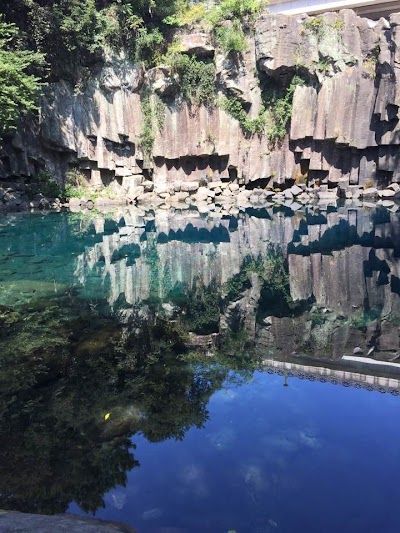
Seogwipo-si
A stunning coastal gem, Seogwipo-si offers breathtaking waterfalls, vibrant markets, and rich culture.
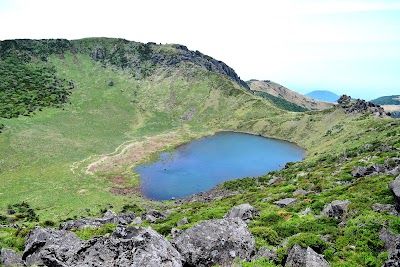
Hallasan
Discover volcanic landscapes and stunning vistas atop Hallasan, Jeju Island's majestic centerpiece.
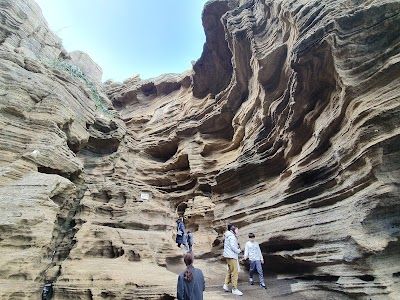
Yongmeori Coast
Breathtaking cliffs meet azure waves at Yongmeori Coast, nature's stunning canvas on Jeju Island.
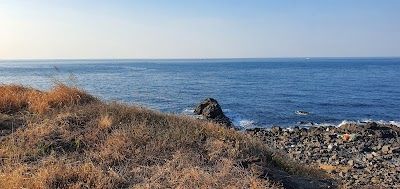
Aewol-eup
Experience stunning coastal views and vibrant local culture in Aewol-eup, Jeju Island.
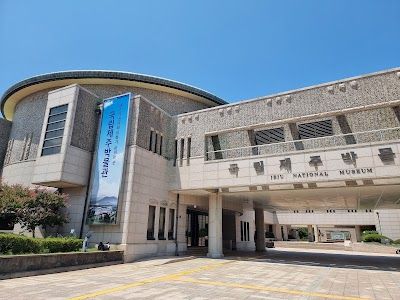
Jeju National Museum
Discover Jeju's rich history and culture through captivating exhibits at this stunning museum.
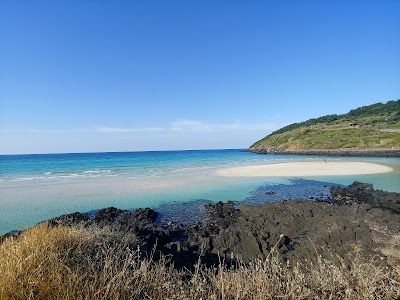
Hamdeok Beach
Hamdeok Beach enchants with its turquoise waters, white sands, and stunning volcanic landscapes.