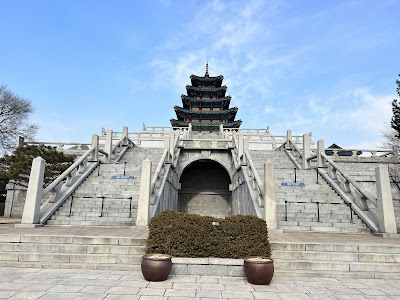
The National Folk Museum of Korea, situated within the scenic grounds of Gyeongbokgung Palace in Seoul, offers an insightful journey into Korea's rich cultural heritage and traditional ways of life. Established in 1945, the museum has grown to showcase a vast collection of artifacts that depict the daily lives, customs, and folk traditions of Koreans from ancient times to the present. Visitors can explore both indoor and outdoor exhibits that vividly bring history to life through recreated village scenes, traditional houses, and hands-on displays.
Inside the museum, you can expect thoughtfully curated exhibits that detail Korea's agricultural practices, festive traditions, folk art, clothing, and domestic tools. The immersive nature of the displays includes life-sized dioramas and multimedia presentations that provide engaging context to the objects on display. The museum also frequently hosts cultural programs and workshops, allowing visitors to try their hand at traditional crafts and customs.
The atmosphere at the National Folk Museum is both educational and warmly welcoming. The blending of historical narratives with authentic folk artifacts creates a sense of connection to Korea's past and an appreciation for its ongoing cultural vibrancy. Visitors love the museum for its comprehensive storytelling, interactive exhibits, and the peaceful setting amidst the palace gardens, which provide a perfect respite from the bustling city.
Whether you are a history buff, a culture enthusiast, or a family traveling with children, the National Folk Museum of Korea offers an enriching experience that deepens your understanding of Korean identity and traditions. It's a must-visit destination to gain a broader appreciation for the cultural foundations that have shaped modern Korea.
Highlights
- Recreated traditional Korean village with authentic thatched houses
- Comprehensive exhibits on Korean folk customs, festivals, and agricultural practices
- Hands-on cultural programs and craft workshops for visitors
Best Time to Visit
The best time to visit is during spring (April to June) and autumn (September to November) when the weather is mild, and the palace grounds surrounding the museum are at their most beautiful with blooming flowers or colorful foliage, enhancing the overall visitor experience.
Insider Tips
- 1Visit early in the day to avoid crowds and have a more intimate experience with the exhibits.
- 2Combine your visit with a tour of Gyeongbokgung Palace since the museum is conveniently located on its grounds.
- 3Check the museum's schedule ahead of time to attend special cultural demonstrations or workshops.
Frequently Asked Questions
Yes, the museum is wheelchair accessible with ramps and elevators available, ensuring that visitors with mobility challenges can explore the exhibits comfortably.
Guided tours are occasionally offered, particularly in Korean and sometimes in English. It is recommended to check the museum's official website or contact them in advance to arrange a guided tour or inquire about tour availability.
Photography is generally allowed in most exhibit areas without flash to protect the artifacts. However, specific special exhibits or workshops may have restrictions, so it's best to follow posted guidelines and staff instructions.
More Museums & Galleries
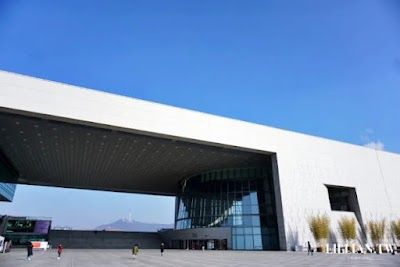
National Museum of Korea
Explore Korea's rich heritage through stunning artifacts and art at this remarkable museum.
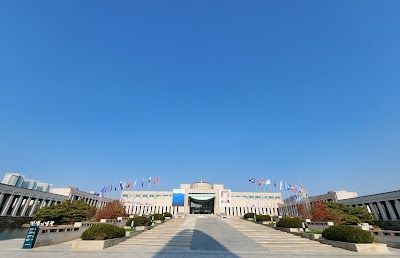
War Memorial of Korea
Explore Korea's military history through poignant exhibits and fascinating outdoor displays.
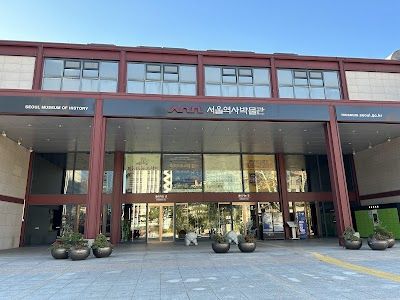
Seoul Museum of History
Uncover Seoul's rich heritage through immersive exhibits showcasing its vibrant history and culture.
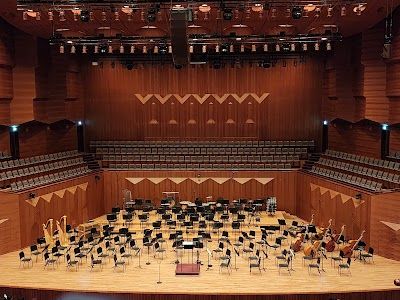
Seoul Arts Center
A vibrant cultural hub, blending stunning architecture with world-class art exhibitions in Seoul.
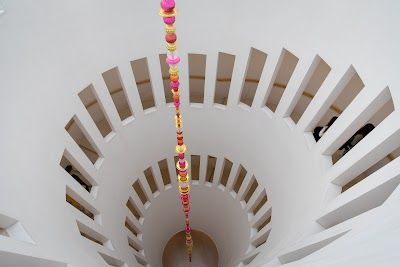
Leeum Museum of Art
A stunning blend of traditional and contemporary art housed in architectural masterpieces.
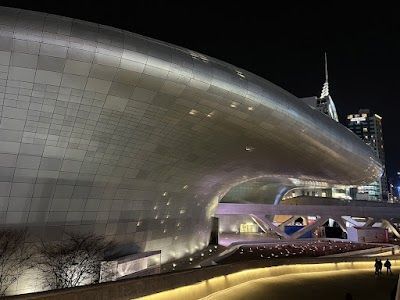
Dongdaemun Design Plaza (DDP)
A futuristic architectural marvel, DDP blends innovative design with vibrant cultural experiences.