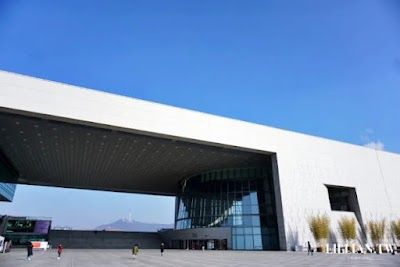
The National Museum of Korea, located in the vibrant capital city of Seoul, stands as the country's premier institution for preserving and showcasing Korea's rich cultural heritage. Established in 1945 and relocated to its grand, modern building in Yongsan District in 2005, the museum offers a comprehensive journey through Korea's history from prehistoric times to the modern era. Its extensive collection includes over 310,000 artifacts ranging from ancient pottery and Buddhist sculptures to exquisite paintings and traditional crafts, making it an essential destination for history enthusiasts and casual visitors alike.
Visitors can expect a thoughtfully curated experience across spacious, well-lit galleries that are designed to educate and inspire. The permanent exhibitions are organized chronologically and thematically, providing a clear narrative of Korea's development and contributions to art and culture. The serene atmosphere of the museum, complemented by beautiful outdoor gardens and traditional Korean architecture in the vicinity, invites guests to immerse themselves fully in the experience. Interactive displays, bilingual information, and audio guides enhance accessibility for international visitors.
What truly draws visitors to the National Museum of Korea is not only the impressive scale of its collection but also the opportunity to attend regular special exhibitions, cultural events, and workshops. These programs deepen understanding and appreciation of Korea's heritage, often featuring rare artifacts on loan from other prestigious institutions. The museum's commitment to education and preservation has earned it widespread acclaim, with visitors praising the facility for its well-maintained exhibitions, friendly staff, and the peaceful environment that allows for contemplative exploration.
Highlights
- Gilt-bronze Incense Burner of Baekje - a masterpiece of ancient Korean metalwork
- Gallery of Buddhist Art with stunning stone and gilt sculptures
- The traditional Korean garden and outdoor exhibition space for historic architecture
Best Time to Visit
Spring (April to June) and Autumn (September to November) are the best times to visit. During these seasons, the weather in Seoul is mild and pleasant, perfect for exploring both the indoor galleries and the museum's beautiful outdoor areas. These periods also tend to have fewer crowds compared to peak tourist seasons.
Insider Tips
- 1Visit early in the morning or on weekdays to avoid crowds and enjoy a quieter experience.
- 2Check the museum's website in advance for temporary exhibitions and special cultural events that may require separate tickets.
- 3Take advantage of the free English audio guide to fully appreciate the stories behind key artifacts.
Frequently Asked Questions
Yes, the museum offers free guided tours in multiple languages including English on a regular schedule. You can also request group tours in advance by contacting the museum.
Photography without flash is generally allowed in most permanent exhibition halls, but it is prohibited in special exhibitions or where signage restricts it. Always look for posted rules or ask staff.
The museum provides family-friendly amenities including stroller rentals, children's activity programs, and interactive exhibits designed for young learners, making it accessible and enjoyable for families.
More Museums & Galleries
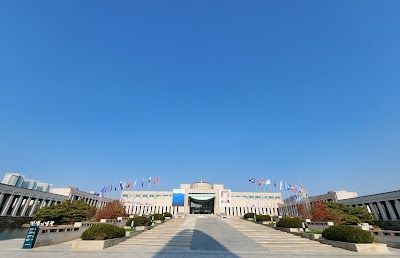
War Memorial of Korea
Explore Korea's military history through poignant exhibits and fascinating outdoor displays.
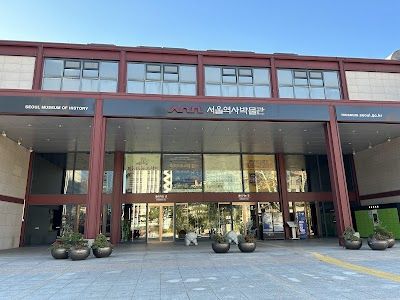
Seoul Museum of History
Uncover Seoul's rich heritage through immersive exhibits showcasing its vibrant history and culture.
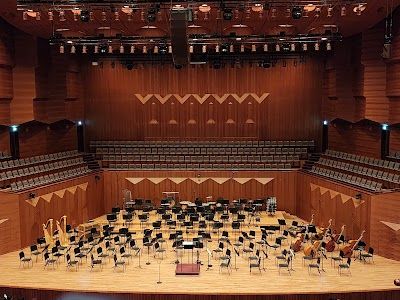
Seoul Arts Center
A vibrant cultural hub, blending stunning architecture with world-class art exhibitions in Seoul.
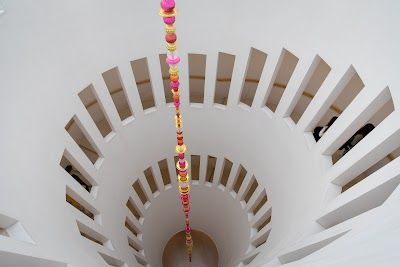
Leeum Museum of Art
A stunning blend of traditional and contemporary art housed in architectural masterpieces.
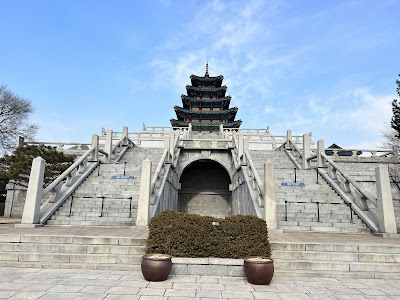
The National Folk Museum of Korea
Discover Korea's rich heritage through immersive exhibits and authentic folk traditions.
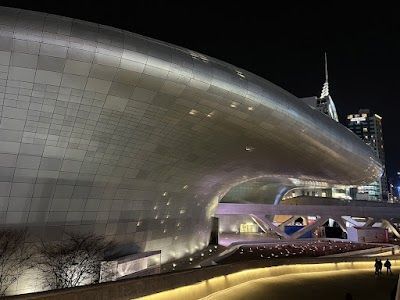
Dongdaemun Design Plaza (DDP)
A futuristic architectural marvel, DDP blends innovative design with vibrant cultural experiences.