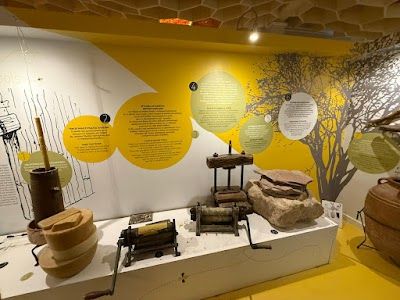
The Bee Museum of Rhodes offers a captivating glimpse into the ancient and contemporary world of beekeeping on the island and throughout Greece. Housed in a traditional yet modern space in Rodos, the museum details the crucial role bees have played in the region's agriculture, cuisine, and culture. Visitors can explore a wide range of exhibits, from traditional wooden hives and historical tools to intricate displays explaining the biology of bees and the process of honey production. The museum's dedication to education ensures that guests come away with a deeper appreciation for these essential pollinators and the craft of apiculture.
As you wander through the Bee Museum, expect an engaging atmosphere filled with detailed documentation, interactive panels, and even live demonstrations when available. The exhibits are thoughtfully curated to appeal to families, nature lovers, and history enthusiasts alike. The gentle hum of bees from onsite observation hives adds an authentic ambiance, making the experience both educational and immersive. Furthermore, the museum often features local honey tastings allowing visitors to savor the diverse flavors produced by Rhodes' unique flora.
Visitors appreciate the museum not only for its educational value but also for its contribution to promoting sustainable environmental practices. Specialized guided tours are sometimes offered, highlighting traditional and modern methods of beekeeping specific to the island's climate. The museum shop sells artisanal honey, beeswax products, and souvenirs, giving travelers a chance to take a piece of Rhodes' sweet heritage home. Overall, the Bee Museum is a charming and enriching stop that shines a light on the small but mighty bees' global importance.
Highlights
- Interactive exhibits on bee biology and honey production
- Live observation hives offering a close-up look at bee colonies
- Honey tasting sessions featuring local varieties unique to Rhodes
Best Time to Visit
The best time to visit the Bee Museum is during the spring and early summer months (April to June) when local beekeeping activities are at their peak and the museum often hosts live demonstrations and educational workshops.
Insider Tips
- 1Visit in the late morning to coincide with honey tastings and live hive demonstrations.
- 2Combine your visit with a walk through nearby botanical gardens to see the plants that contribute to the local honey varieties.
- 3Purchase honey and beeswax souvenirs directly from the museum shop for authentic, high-quality products.
Frequently Asked Questions
Yes, photography is generally permitted, but flash photography and filming near the live observation hives are discouraged to avoid disturbing the bees and other visitors.
The museum offers guided tours in English and sometimes in other major languages like German or French, but it is recommended to inquire in advance or book a tour to ensure availability.
The Bee Museum is equipped with ramps and accessible facilities, making it suitable for visitors with limited mobility, though some outdoor areas may have uneven surfaces.
More Museums & Galleries

Colossus of Rhodes
Marvel at the historic grandeur of the Colossus of Rhodes, a testament to ancient engineering.

Archaeological Museum of Rhodes
Discover ancient wonders at Rhodes' Archaeological Museum, housed in a stunning medieval hospital.

Palace of the Grand Master of the Knights of Rhodes
Experience medieval grandeur at the stunning Palace of the Grand Master in Rhodes.

Lindos Acropolis
Explore ancient ruins and breathtaking views at Lindos Acropolis, a timeless Greek treasure.

Archaeological Museum of Rhodes
Discover ancient wonders at Rhodes' Archaeological Museum, housed in a stunning medieval hospital.

Butterflies Valley
Discover a magical sanctuary of vibrant butterflies and lush landscapes in Rhodes.