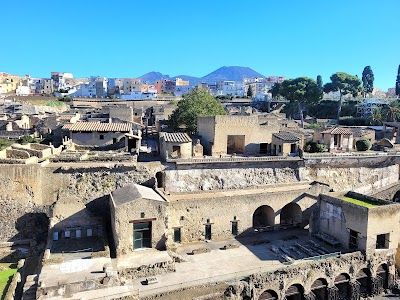
The Archaeological Park of Herculaneum presents an exceptional window into the ancient Roman world, offering visitors a journey through streets and homes remarkably preserved by the catastrophic eruption of Mount Vesuvius in 79 AD. Unlike its more famous neighbor Pompeii, Herculaneum was buried under a thicker layer of volcanic material, enabling organic materials such as wood, food, and even furniture to be astonishingly conserved. Walking through this site, travelers encounter the authentic atmosphere of a once-thriving Roman town, with detailed frescoes, mosaics, bathhouses, and villas that narrate stories of daily life, social customs, and architectural prowess from two millennia ago.
Visitors can expect a deeply immersive experience that blends historical education with the awe of discovery. The compactness of the site allows for an intimate exploration where one can closely observe the intricate details of Roman craftsmanship. The park includes highlights such as the House of the Deer, the Suburban Baths, and the beautifully adorned facade of the House of the Bicentenary. The site's archaeological significance is matched by its scenic setting near the Amalfi coastline, providing a sensory blend of history, culture, and Mediterranean charm.
The atmosphere at Herculaneum is quieter and less crowded than Pompeii, making it ideal for those seeking a contemplative, in-depth look at antiquity. Visitors love it for the unique preservation that reveals everyday aspects of Roman life, allowing them to witness not just monumental ruins but the personal touch of a past civilization. The park's informative displays and guided tours deepen understanding, ensuring that each visitor gains appreciation for the site's importance both historically and archaeologically.
Highlights
- The House of the Deer with its exquisite frescoes and elegant atrium
- Suburban Baths showcasing ancient Roman bathing culture with well-preserved mosaics
- The Carbonized Scrolls in the Villa of the Papyri, the only surviving library of antiquity
Best Time to Visit
The best time to visit is during spring (April to June) and early autumn (September to October) when the weather is mild, and the site is less crowded, allowing for a more comfortable and engaging exploration.
Insider Tips
- 1Arrive early in the morning to avoid crowds and afternoon heat.
- 2Wear comfortable walking shoes as the ancient stone streets can be uneven and slippery.
- 3Consider hiring an official guide or renting an audio guide to fully appreciate the rich history and details of the site.
Frequently Asked Questions
While efforts have been made to improve accessibility, some areas of the park have uneven ancient stone surfaces and steps, which may be challenging. There are accessible pathways for visitors with limited mobility, but advanced planning is recommended.
Yes, tickets can be purchased online through the official website or authorized vendors, which is highly recommended especially during peak tourist seasons to avoid long lines.
Yes, there are official guided tours available for an additional fee, and audio guides can also be rented. Booking a guided tour enhances the experience by providing detailed context and stories about the ruins.
More Museums & Galleries
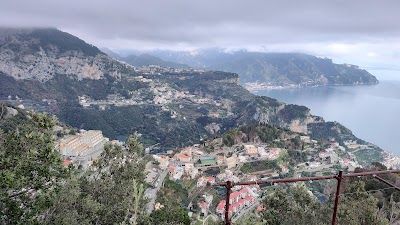
Amalfi
Breathtaking cliffs and vibrant coastal charm await in Amalfi's enchanting historic heart.

Museo Archeologico Nazionale di Napoli
Discover ancient treasures of Pompeii and Herculaneum at Naples' unparalleled archaeological gem.
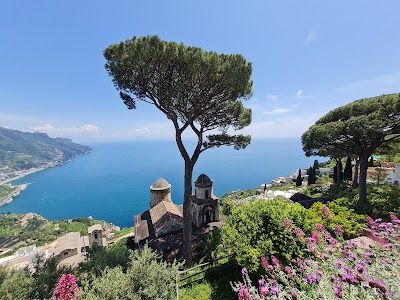
Villa Rufolo
Discover breathtaking gardens and stunning views at the historic Villa Rufolo in Ravello.
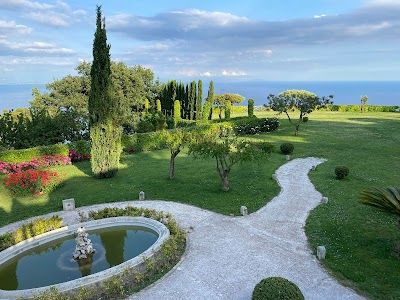
Villa Cimbrone
Experience breathtaking views and timeless beauty at Villa Cimbrone's enchanting gardens in Ravello.
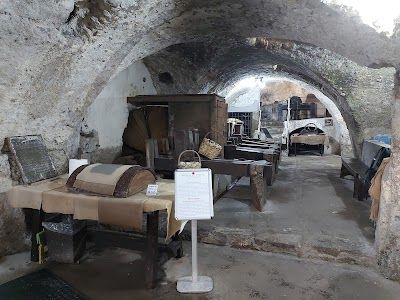
Paper Museum
Uncover the ancient art of papermaking in breathtaking Amalfi's historic Paper Museum.
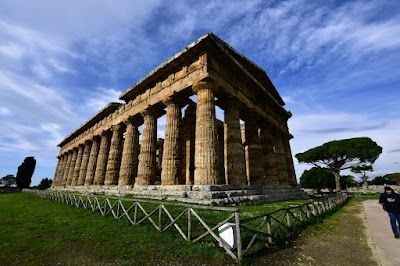
Paestum
Explore ancient Greek temples in Paestum, where history and stunning landscapes converge beautifully.