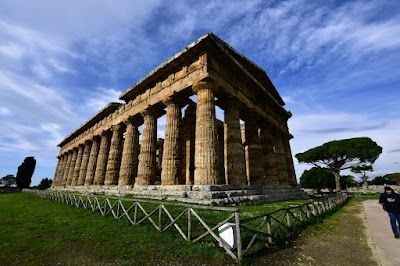
Paestum, located near the Amalfi Coast in southern Italy, is an extraordinary archaeological site famed for its remarkably preserved ancient Greek temples. Founded by Greek colonists around 600 BC as Poseidonia, the site later became part of the Roman Empire but retained much of its original Greek architectural heritage. Visitors to Paestum are transported back in time as they explore one of the best examples of Magna Graecia's grandeur, often overshadowed by better-known sites like Pompeii but equally majestic in its own right.
The archaeological park contains three major Doric temples dedicated to Neptune, Hera, and Athena, each monumental in scale and demonstrating the architectural prowess of the ancient Greeks. Surrounding these temples, you'll encounter extensive ruins of the ancient city along with a museum that houses extraordinary artifacts including painted tombs, ancient pottery, and sculptures which provide deep insights into daily life and religious practices of the past.
Walking through Paestum, visitors experience a unique blend of history and nature as the temple complexes stand amidst lush greenery and offer stunning views over the nearby Tyrrhenian Sea. The site's tranquil, open atmosphere encourages contemplative exploration, making it a favorite for historians, students, and casual travelers alike. Its proximity to Amalfi allows day-trippers to combine coastal beauty with a rich cultural experience, making Paestum a truly captivating destination.
Visitors love Paestum not only for the architectural and historical significance but also because it is less crowded than other Italian heritage sites, offering a peaceful excursion into the ancient world. The well-maintained pathways and informative displays in the onsite museum enhance the educational value, making this museum and archaeological park a must-see when exploring southern Italy.
Highlights
- The three magnificent Doric temples: Temple of Neptune, Temple of Hera, and Temple of Athena
- The National Archaeological Museum of Paestum with its impressive collection of artifacts
- The Frescoed Tombs including the famous Tomb of the Diver, offering rare insights into ancient funerary art
Best Time to Visit
Spring (April to June) and early autumn (September to October) when the weather is mild and the site is less crowded. Avoiding the peak summer months (July and August) helps you enjoy a more comfortable visit free from intense heat and tourism crowds.
Insider Tips
- 1Bring comfortable walking shoes as the site covers a large outdoor area with uneven terrain.
- 2Start your visit at the museum to better appreciate the context of the ruins.
- 3Visit early in the morning to enjoy cooler temperatures and quieter surroundings.
Frequently Asked Questions
Paestum has made efforts to improve accessibility, including wheelchair-friendly paths in parts of the archaeological park and the museum; however, some uneven ancient pathways can be challenging. It is best to inquire ahead and prepare accordingly.
Yes, Paestum is easily accessible by train or car from Amalfi, Naples, or Salerno, making it a popular day trip destination combining history with coastal sightseeing.
Guided tours are available and highly recommended to provide deeper insights into the site's history and significance. Audio guides and printed materials are also offered for independent visitors.
More Museums & Galleries
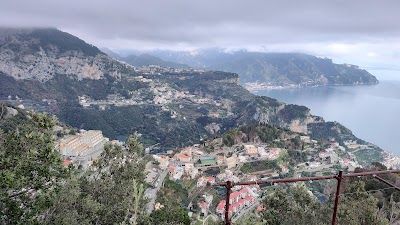
Amalfi
Breathtaking cliffs and vibrant coastal charm await in Amalfi's enchanting historic heart.
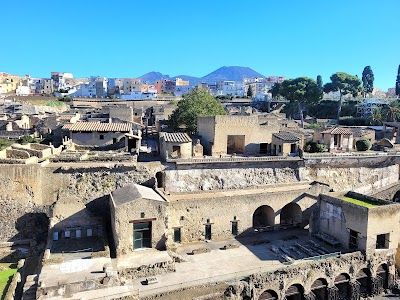
Archaeological Park of Herculaneum
Discover Herculaneum's preserved ancient streets, revealing extraordinary life frozen in time.
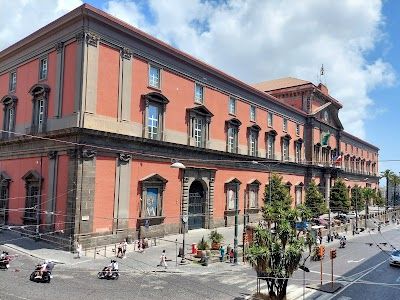
Museo Archeologico Nazionale di Napoli
Discover ancient treasures of Pompeii and Herculaneum at Naples' unparalleled archaeological gem.
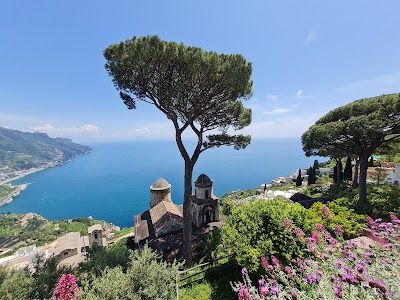
Villa Rufolo
Discover breathtaking gardens and stunning views at the historic Villa Rufolo in Ravello.
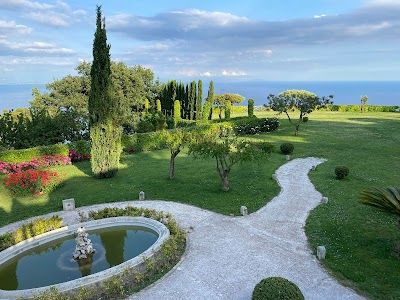
Villa Cimbrone
Experience breathtaking views and timeless beauty at Villa Cimbrone's enchanting gardens in Ravello.
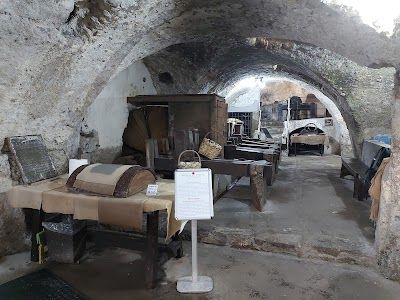
Paper Museum
Uncover the ancient art of papermaking in breathtaking Amalfi's historic Paper Museum.