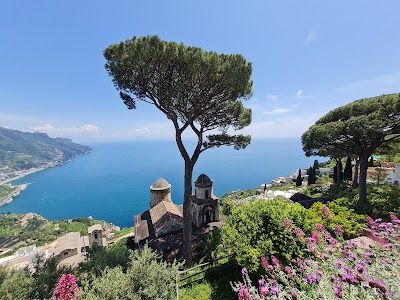
Villa Rufolo is a historic villa located in the picturesque town of Ravello on Italy's Amalfi Coast. Established in the 13th century by the Rufolo family, a wealthy and influential merchant family, the villa is renowned for its exquisite blend of Moorish and medieval architecture. Over the centuries, it has been admired by artists, musicians, and writers alike, with the famed composer Richard Wagner finding inspiration here during his visit in the 19th century. Today, Villa Rufolo stands as a cultural landmark, offering visitors not only a glimpse into Italy's storied past but also a sensory experience through its art, music, and stunning gardens.
Visitors to Villa Rufolo can expect to wander through beautifully maintained terraced gardens that overlook the Amalfi Coast, offering breathtaking panoramic views of the Mediterranean Sea and the surrounding cliffs. The gardens are dotted with vibrant flowers, winding stone paths, and elegant fountains, creating a serene atmosphere perfect for leisurely exploration and photography. Inside, the villa's architecture showcases intricate archways, ancient mosaics, and quaint courtyards that transport guests back in time. The villa also hosts the renowned Ravello Festival each summer, where classical music concerts take place in an enchanting open-air setting.
The atmosphere at Villa Rufolo is one of timeless elegance mixed with natural beauty. It's a place where history melds with artistic inspiration, often evoking a sense of romantic nostalgia. Visitors love the peaceful ambiance, the breathtaking vistas, and the chance to step into a location that has influenced generations of creatives. The villa's accessibility, stunning gardens, and connection to the cultural fabric of the Amalfi Coast make it a must-see destination for museum enthusiasts, nature lovers, and history buffs alike.
Highlights
- Panoramic views of the Amalfi Coast from the villa's terraced gardens
- The stunning Moorish-inspired architecture and medieval features
- The vibrant and meticulously maintained flower gardens and fountains
Best Time to Visit
The best time to visit Villa Rufolo is during spring (April to June) when the gardens are in full bloom and temperatures are mild. Early autumn (September and October) is also ideal, offering pleasant weather and fewer crowds, allowing for a more leisurely experience.
Insider Tips
- 1Arrive early in the morning to avoid peak crowds and capture the best light for photos.
- 2Check the Ravello Festival schedule in summer to attend an unforgettable open-air concert at the villa.
- 3Wear comfortable shoes as the grounds involve walking on cobblestone paths and some steps.
Frequently Asked Questions
Yes, guided tours are available and can enrich your visit by providing detailed historical context and insights about the villa's architecture and gardens. You can book tours on-site or through local tour operators.
Due to the historic nature of the villa and uneven pathways in the gardens, full wheelchair accessibility is limited. However, some areas near the entrance may be accessible; it's best to contact management in advance for specific assistance.
Photography is permitted throughout Villa Rufolo's gardens and exterior areas. Photography inside certain sections of the villa may be restricted, so look for signage or ask staff for guidance.
More Museums & Galleries
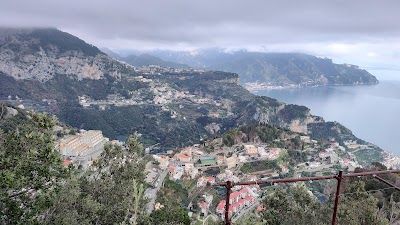
Amalfi
Breathtaking cliffs and vibrant coastal charm await in Amalfi's enchanting historic heart.

Archaeological Park of Herculaneum
Discover Herculaneum's preserved ancient streets, revealing extraordinary life frozen in time.

Museo Archeologico Nazionale di Napoli
Discover ancient treasures of Pompeii and Herculaneum at Naples' unparalleled archaeological gem.
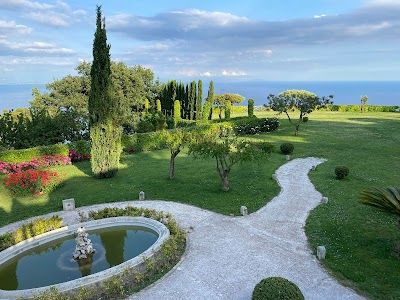
Villa Cimbrone
Experience breathtaking views and timeless beauty at Villa Cimbrone's enchanting gardens in Ravello.
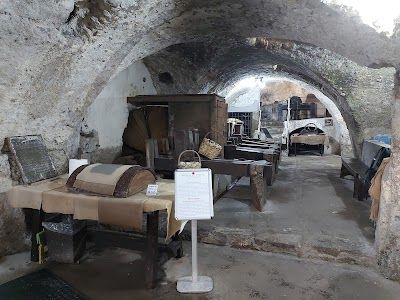
Paper Museum
Uncover the ancient art of papermaking in breathtaking Amalfi's historic Paper Museum.

Paestum
Explore ancient Greek temples in Paestum, where history and stunning landscapes converge beautifully.